Starting with a Side Project
Rachel Andrew, ProductTank Bristol February 2016
G.K. Chesterton
“I owe my success to having listened respectfully
to the very best advice, and then going away and
doing the exact opposite.”
Getting started
Choosing the perfect product to
bootstrap as a side-project.
https://www.flickr.com/photos/joeshlabotnik/7276841268
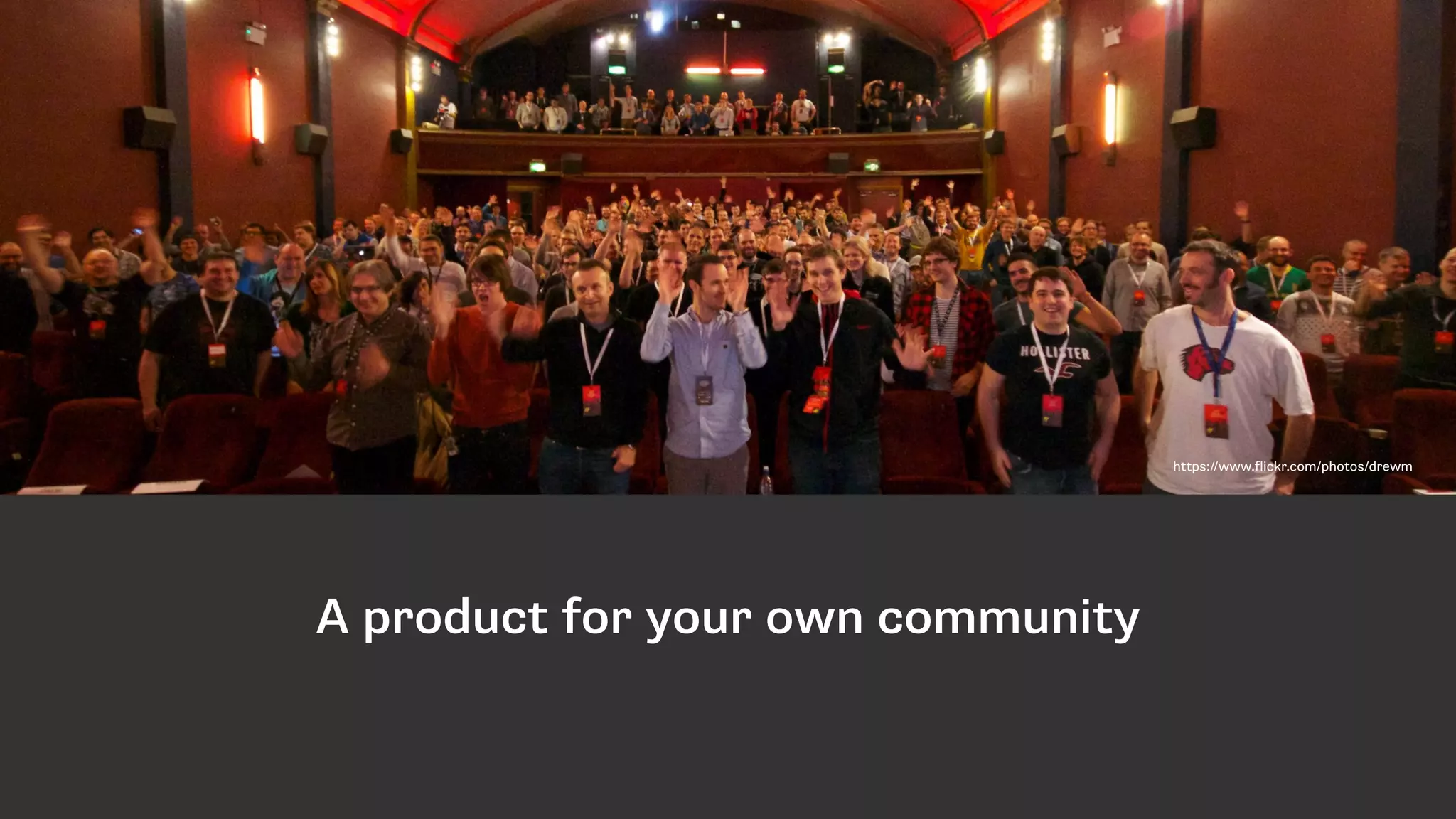
A product for your own community
https://www.flickr.com/photos/drewm
Amy Hoy
“Are you a Ruby developer? Then serve Ruby
developers. Are you a UX designer? Serve UX
designers.”
With a track record in a community you will
already have trust.
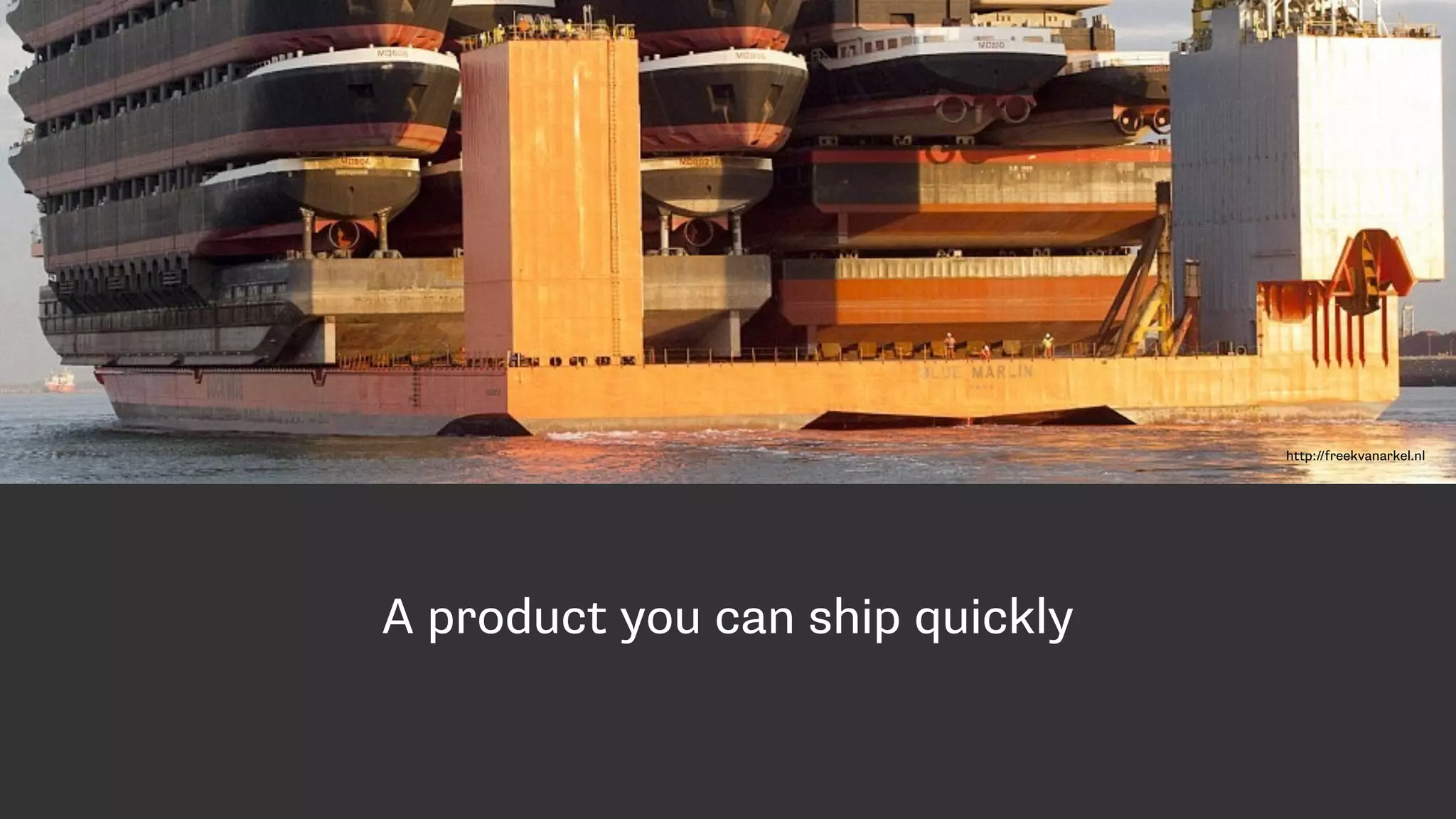
A product you can ship quickly
http://freekvanarkel.nl
John Radoff
“The goal of a startup is to find the sweet-spot
where minimum product and viable product meet
– get people to fall in love with you.”
To launch with a small product, you need to find
a problem that can be solved with a small
product.
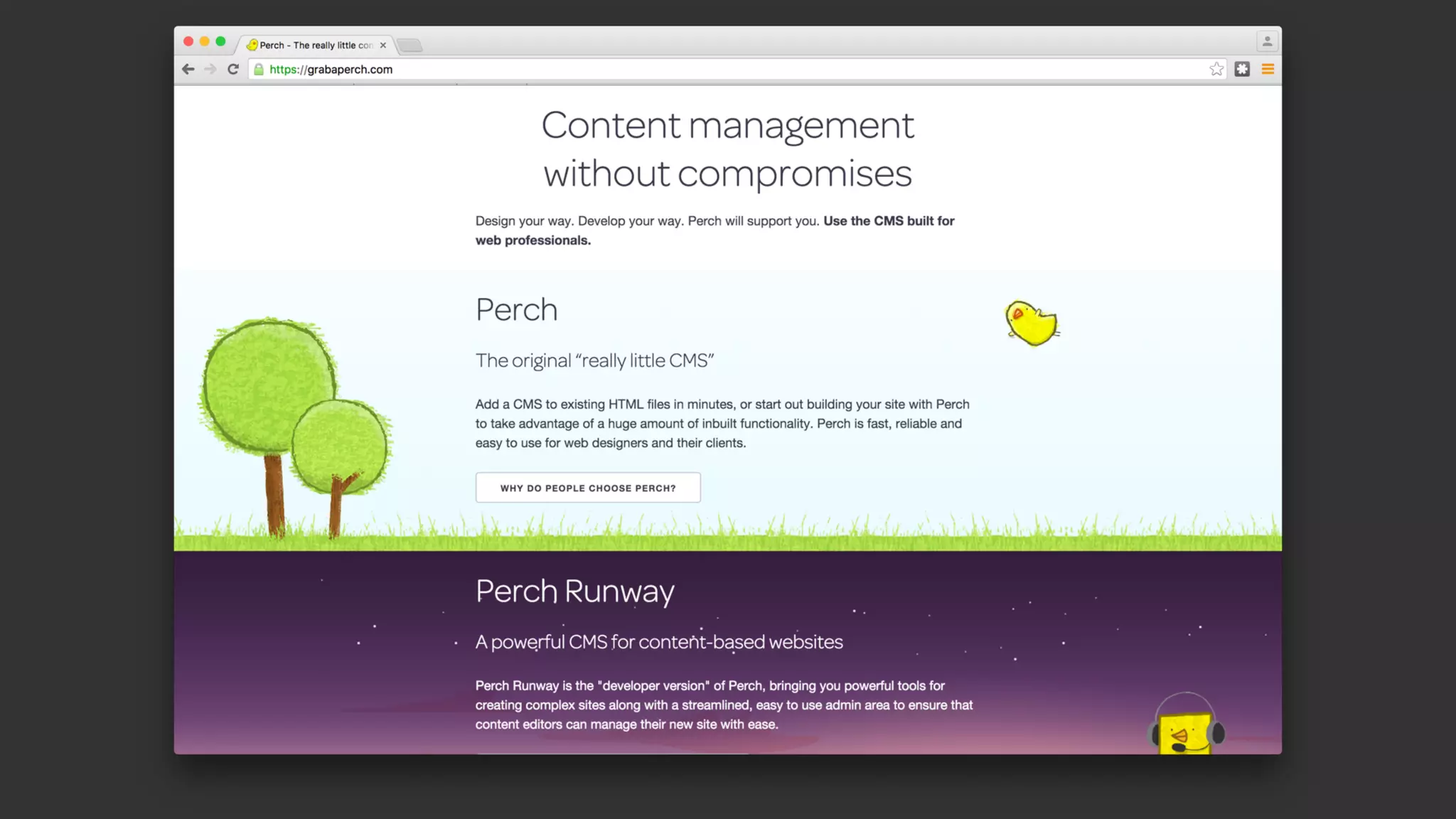
Perch v.1
• A simple content editor
• No way to add new pages
• No API
• Images could be uploaded - but not resized
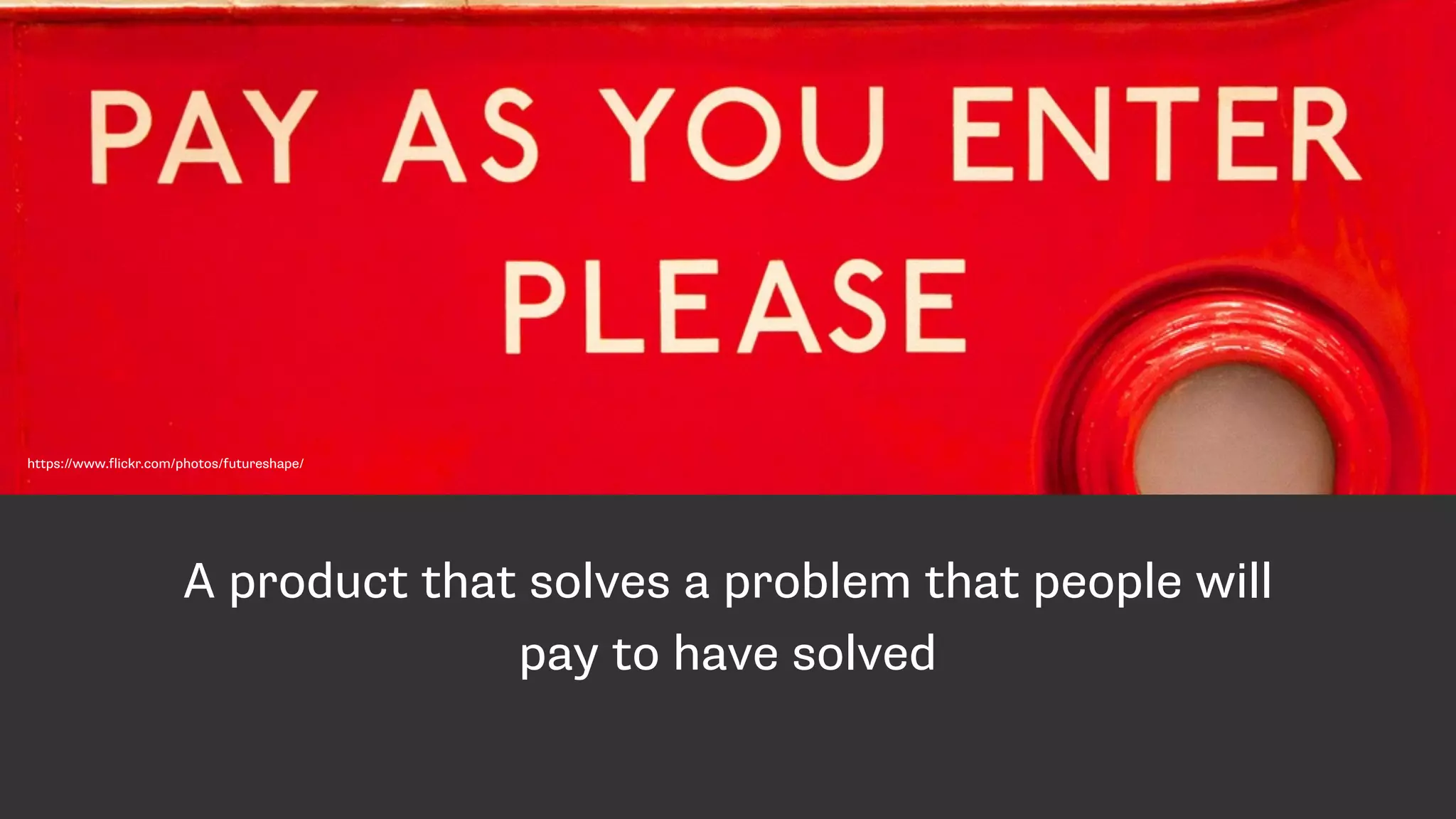
A product that solves a problem that people will
pay to have solved
https://www.flickr.com/photos/futureshape/
If you can save a business time they will see the
value in paying for your product.
Bootstrapped With Kids, Episode 31
“We think their workflow sucks, but they like it…”
Feedback from paying customers trumps
feedback from free users.
Every time.
A product that does not need a
lot of users to be useful
https://www.flickr.com/photos/22746515@N02/
“Social” or “community” products need a large
user base to succeed.
Choose a product that is as useful to customer
#1 as customer #1000
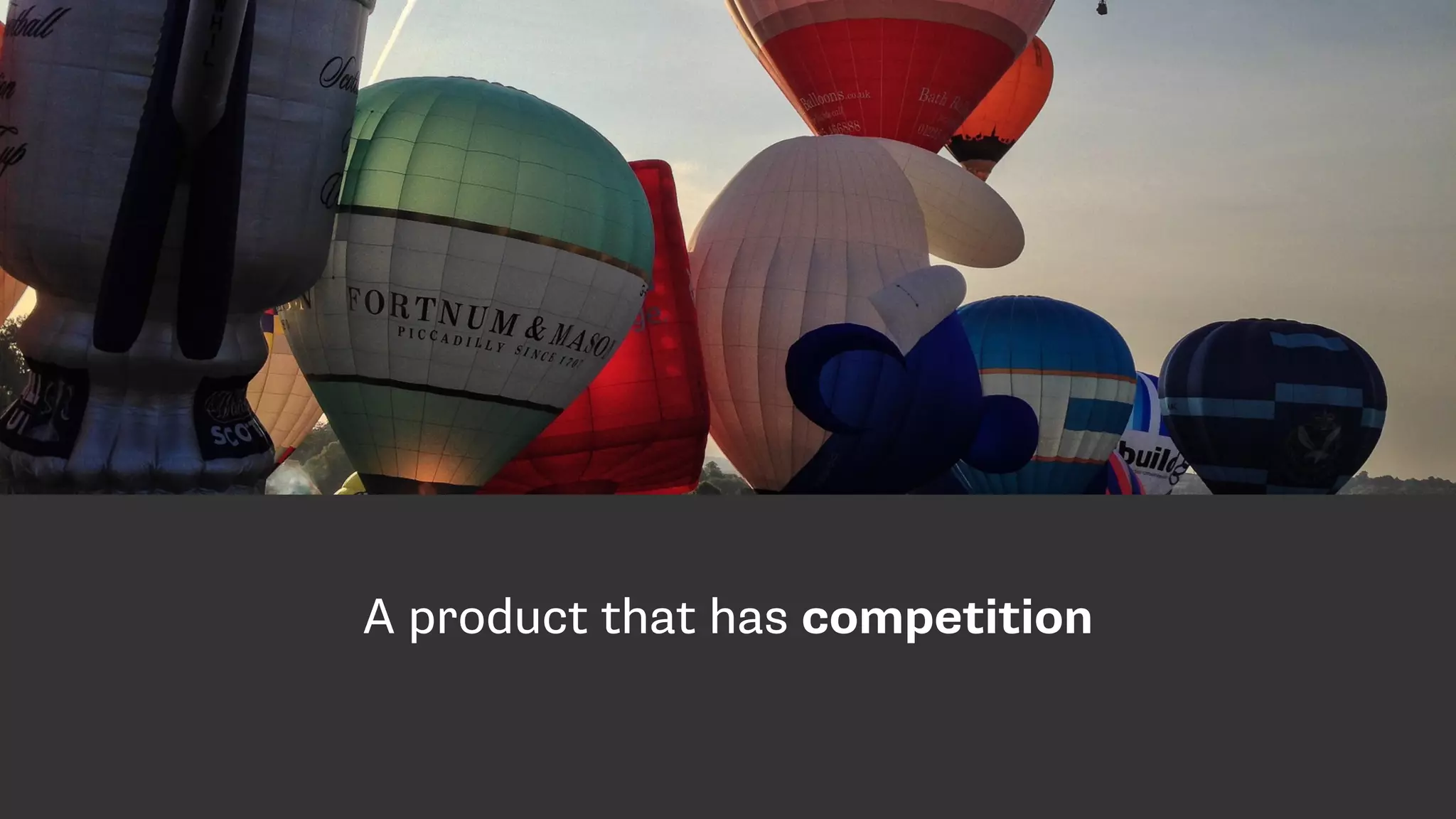
A product that has competition
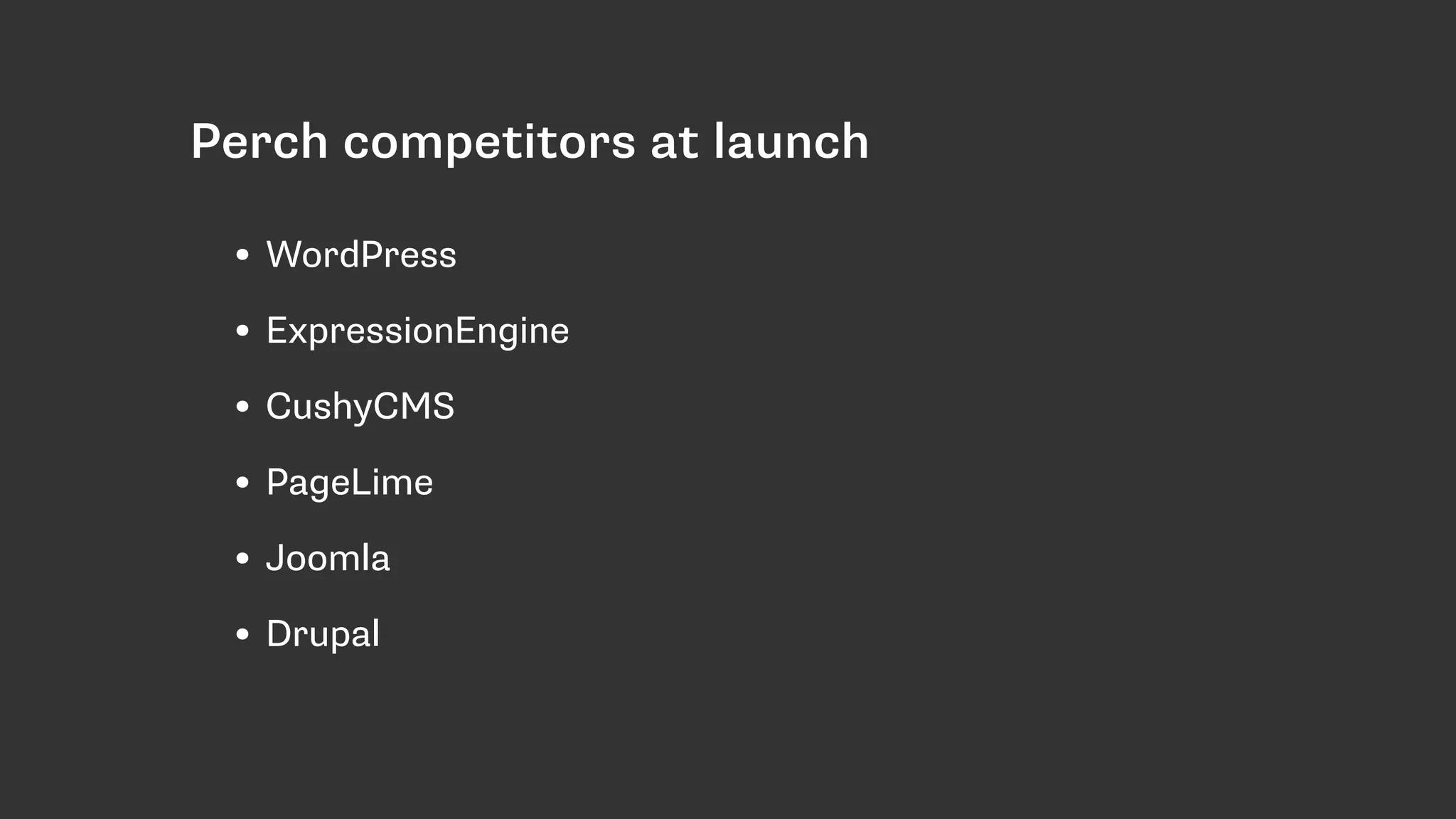
Perch competitors at launch
• WordPress
• ExpressionEngine
• CushyCMS
• PageLime
• Joomla
• Drupal
What problem is your competition NOT solving?
Build it.
New concepts will require you to educate
potential customers as to why they even need
your product.
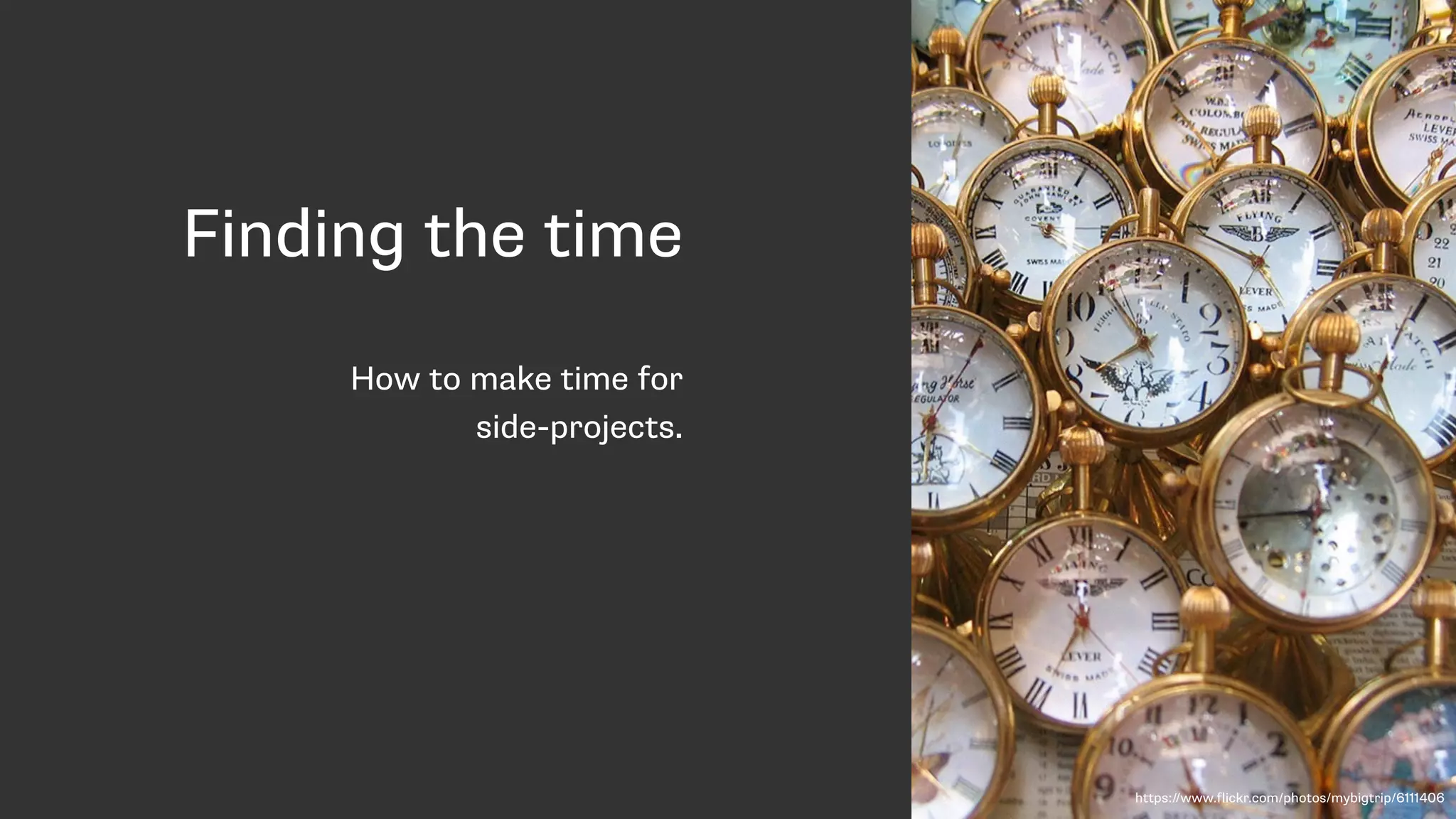
Finding the time
How to make time for 

side-projects.
https://www.flickr.com/photos/mybigtrip/6111406
Malcolm S. Forbes
“One worthwhile task carried to a successful
conclusion is worth half-a-hundred half-finished
tasks.”
Sir John Lubbock
“In truth, people can generally make time for
what they choose to do; it is not really the time
but the will that is lacking.”
Get set up to be able to pick up and work on
your side-project quickly - whenever the time is
available.
Your product must be a first-class citizen
alongside your other work.
Set aside time and plan in advance what you will
do with it
Diana Scharf Hunt
“Goals are dreams with deadlines”
Brian Casel
http://casjam.com/the-cascading-to-do-list-or-how-to-get-big-things-done/
“In a nutshell, the idea is to start with the end-
goal in mind, then divide it into smaller and
smaller increments.  Plan all of the actions in
detail beforehand, then get to work.”
Be realistic about how much you can achieve.
Feeling as if you are falling behind can
demotivate you.
If there is not enough time ...
• Either revise your end date
• Or, remove elements of the project - pushing them into a
post-launch phase.
Be ruthless in cutting features that can be
added post-launch
The “missing” features at launch will seem far
more important to you than to your customers.
Describe the product as it is now.
Sell the solution.
Minimum Viable Infrastructures
Own Your Own Data
• for your own community
• something you can ship quickly
• something that solves a problem people will pay to have
solved
• a product that does not need a lot of traction to be useful
• something that has existing competition
Build
Once you know what you want to build
• Start small
• Solve that small problem in a complete way
• Get feedback from paying customers
• Improve and add to your product based on their needs
balanced by your vision.
Thank you
Rachel Andrew
@rachelandrew
https://rachelandrew.co.uk

Starting With a Side Project