The pancreas
2
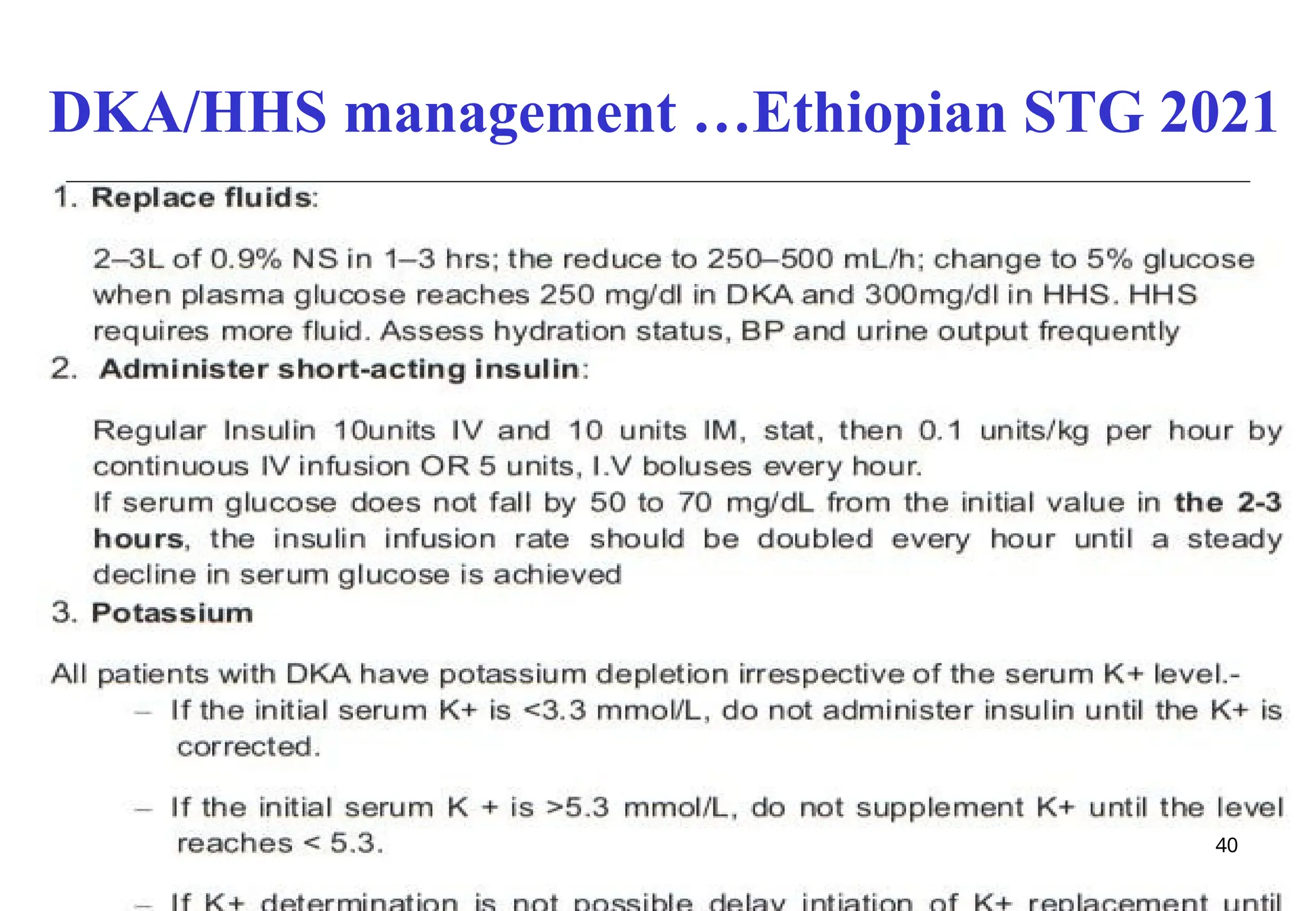
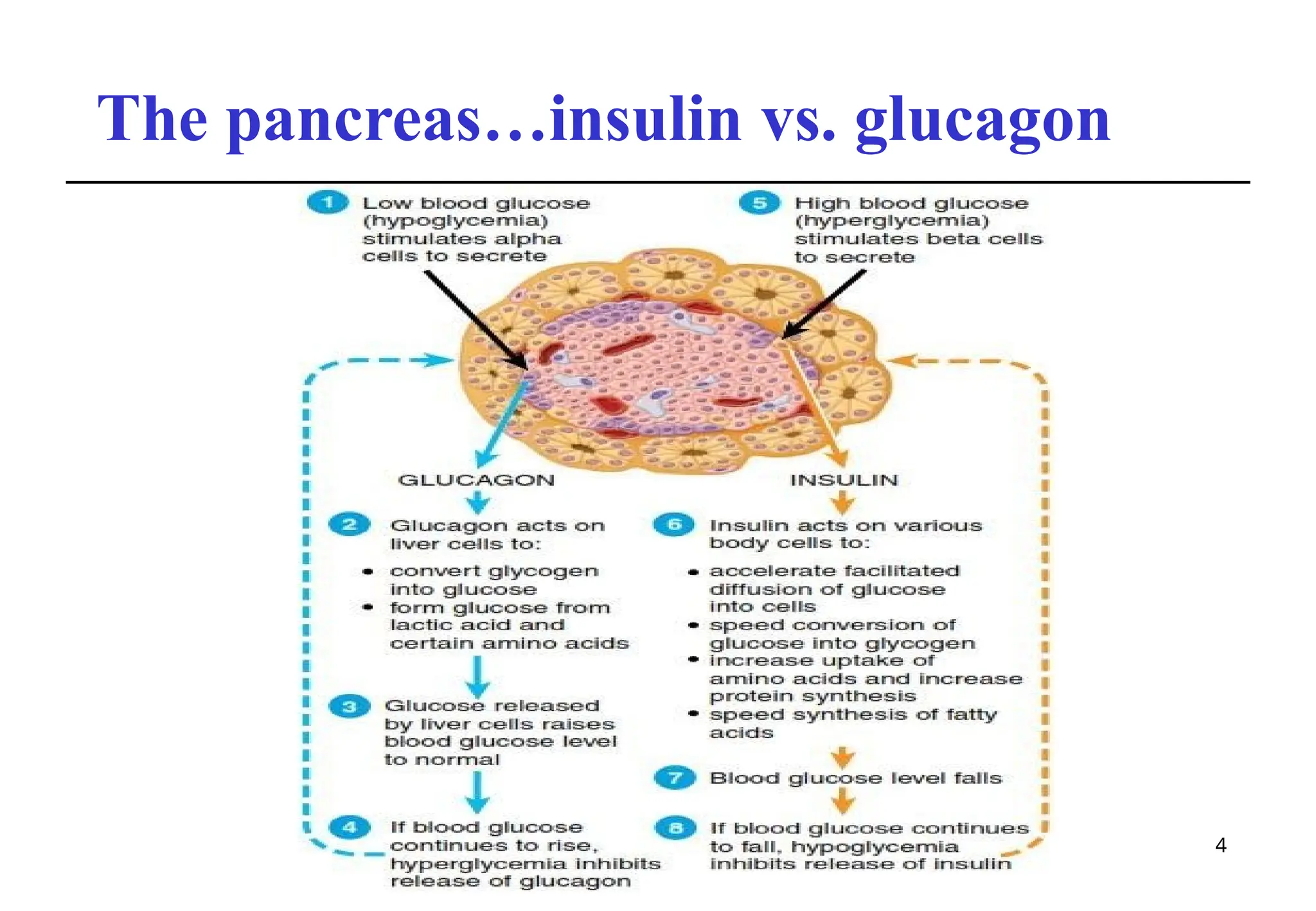
Thepancreas is composed of two major types of tissues;
1. Acini (80%), secrete digestive juices into the duodenum
2. Islets of Langerhans (2%), secrete insulin and glucagon
directly into the blood.
• These are crucial for normal regulation of
glucose, lipid, and protein metabolism
• Islets contain three major types of cells, alpha, beta, and
delta cells
Pancreas also secretes other hormones with unknown functions
[Amylin, somatostatin, and pancreatic polypeptide]
3.
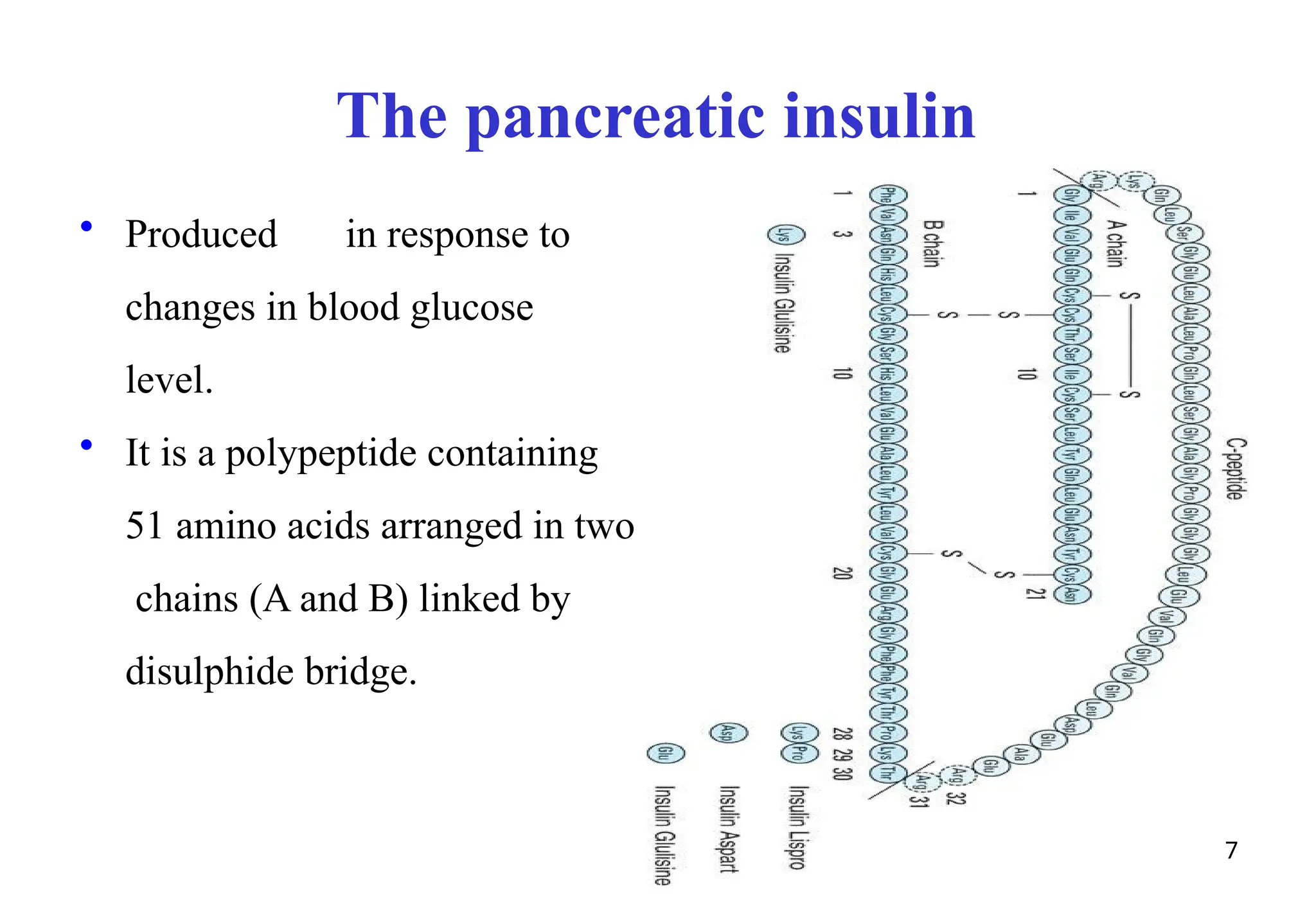
The pancreatic insulin
•Produced in response to
changes in blood glucose
level.
• It is a polypeptide containing
51 amino acids arranged in two
chains (A and B) linked by
disulphide bridge.
7
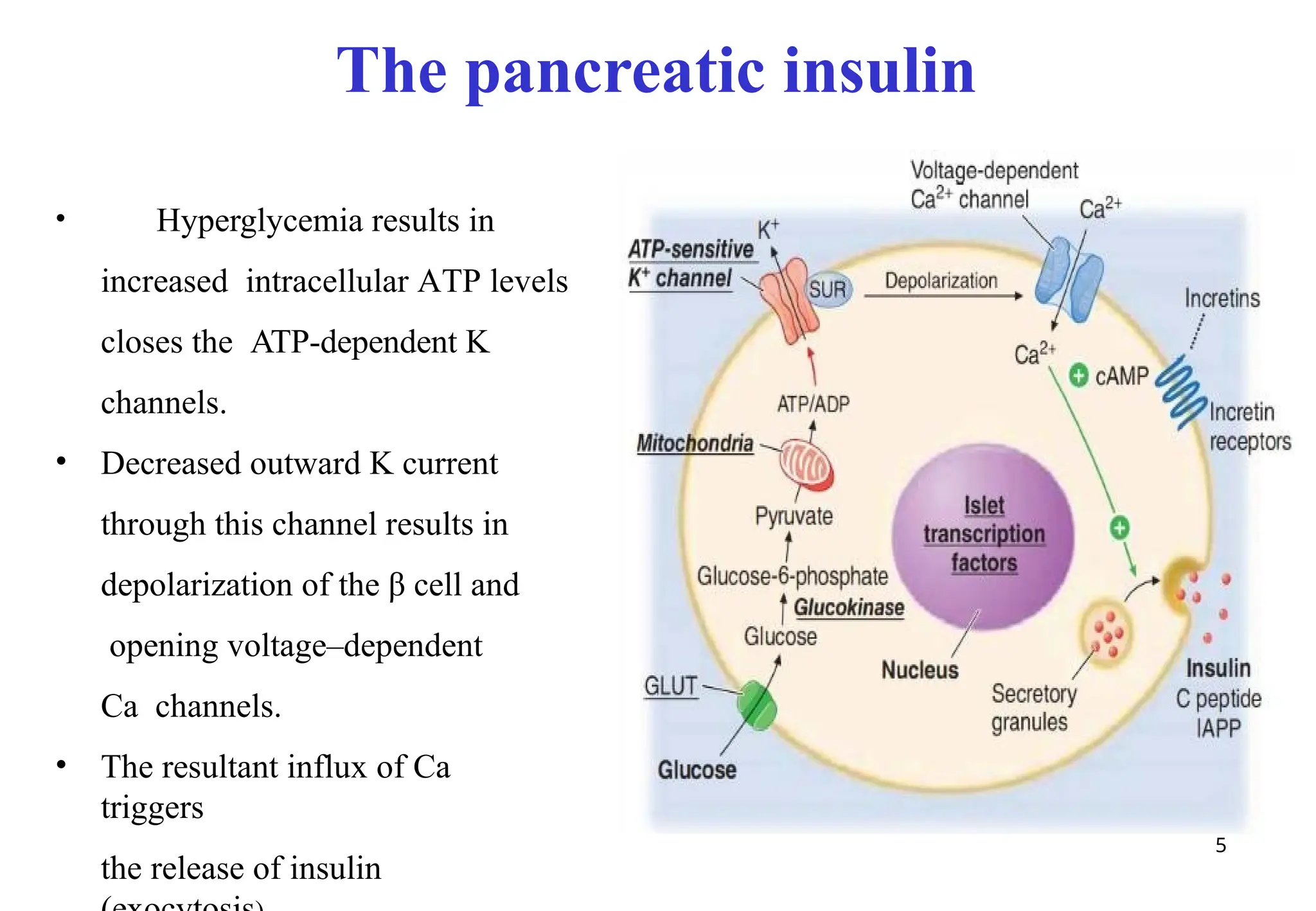
• Hyperglycemia resultsin
increased intracellular ATP levels
closes the ATP-dependent K
channels.
• Decreased outward K current
through this channel results in
depolarization of the β cell and
opening voltage–dependent
Ca channels.
• The resultant influx of Ca
triggers
the release of insulin
The pancreatic insulin
5
6.
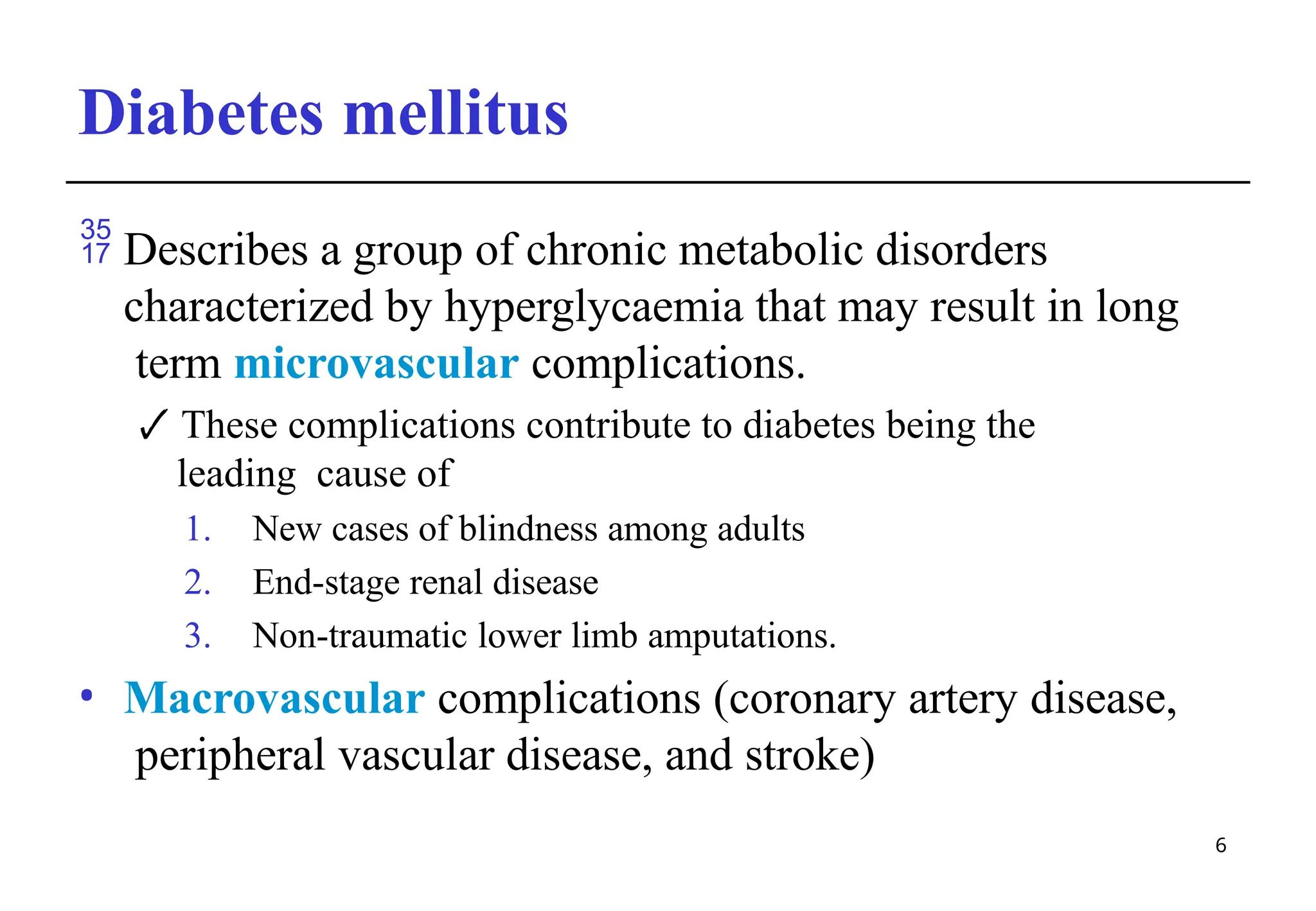
Diabetes mellitus
6
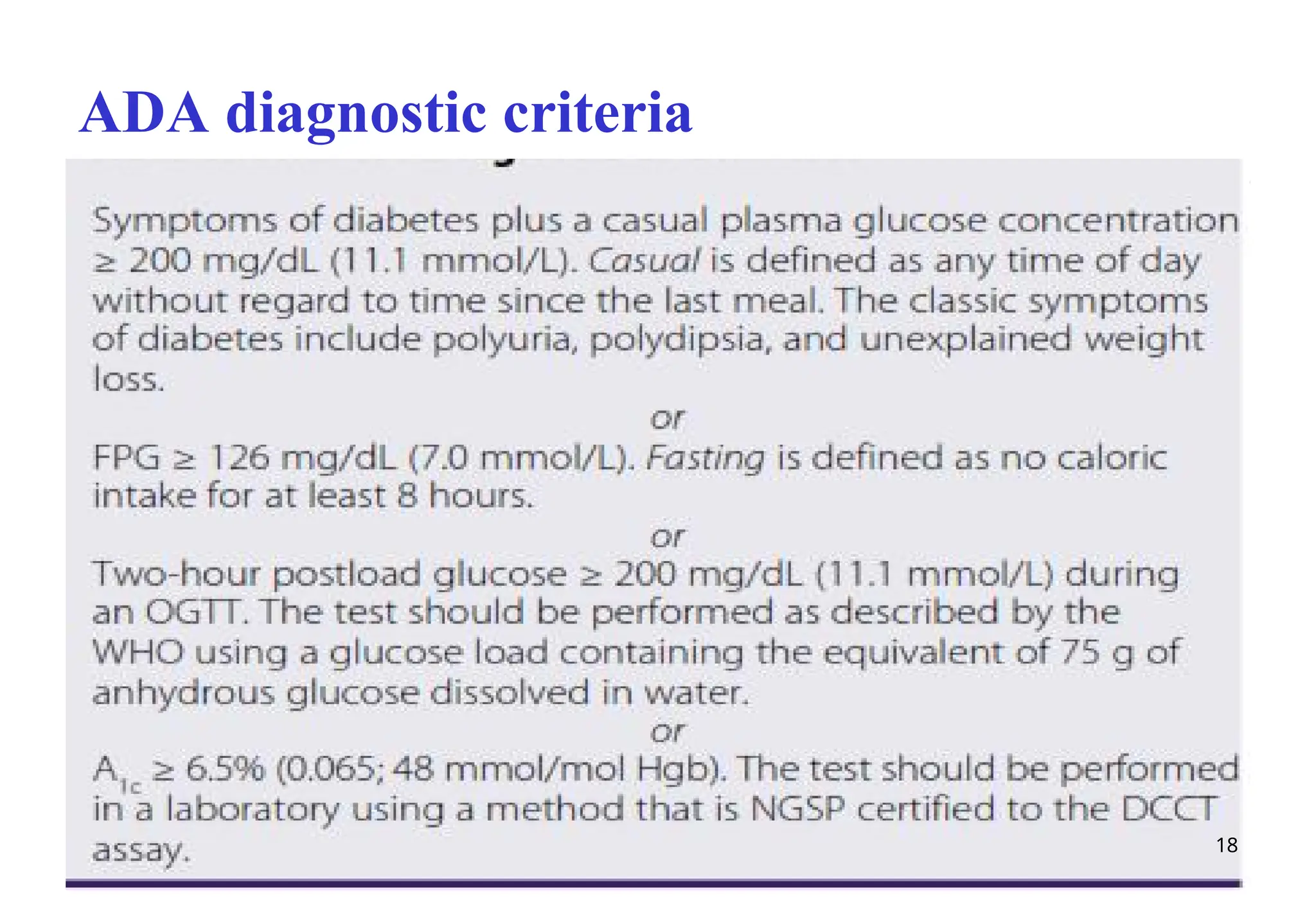
Describesa group of chronic metabolic disorders
characterized by hyperglycaemia that may result in long
term microvascular complications.
🗸 These complications contribute to diabetes being the
leading cause of
1. New cases of blindness among adults
2. End-stage renal disease
3. Non-traumatic lower limb amputations.
• Macrovascular complications (coronary artery disease,
peripheral vascular disease, and stroke)
7.
Epidemiology
7
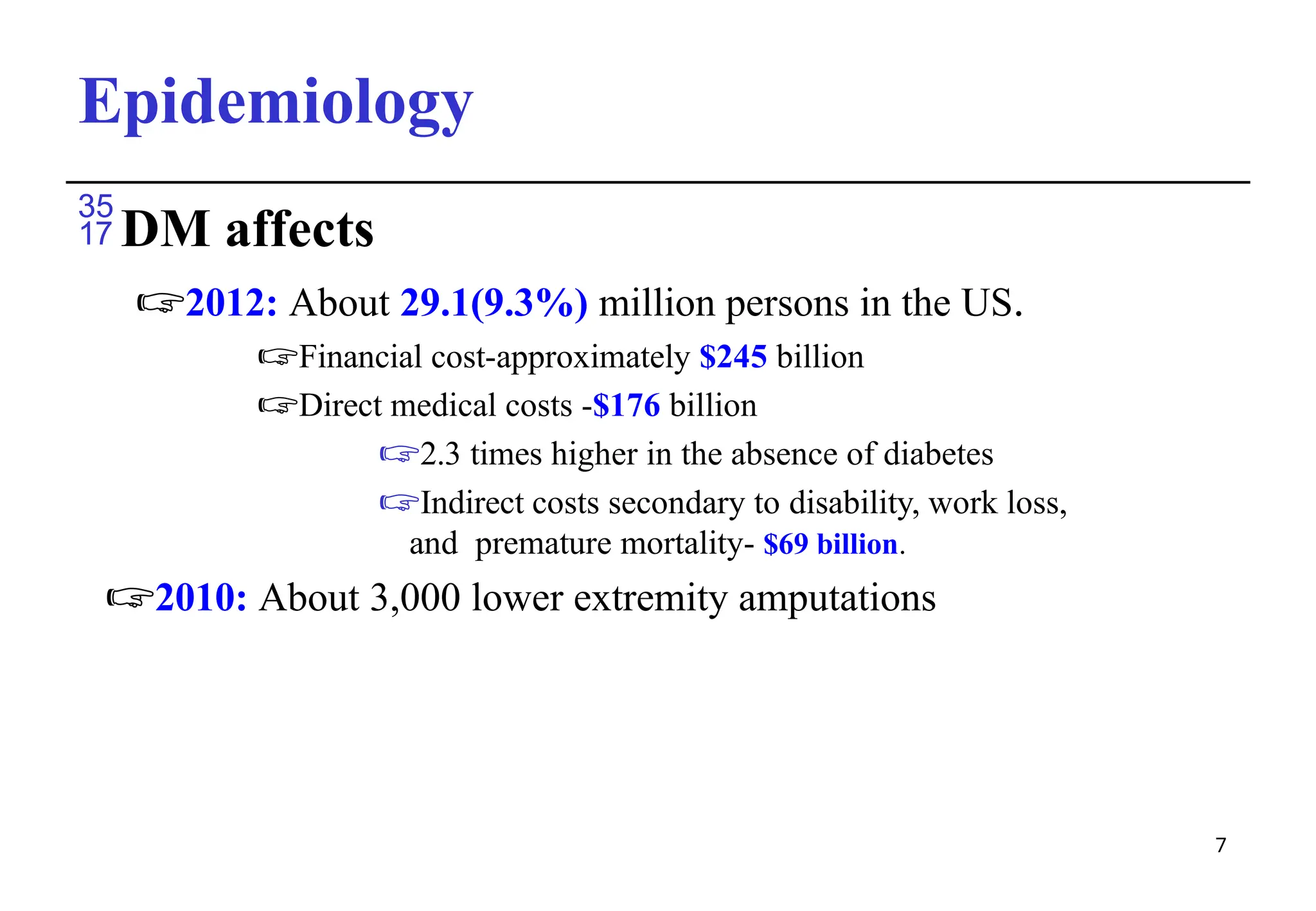
DM affects
🖙2012: About29.1(9.3%) million persons in the US.
🖙Financial cost-approximately $245 billion
🖙Direct medical costs -$176 billion
🖙2.3 times higher in the absence of diabetes
🖙Indirect costs secondary to disability, work loss,
and premature mortality- $69 billion.
🖙2010: About 3,000 lower extremity amputations
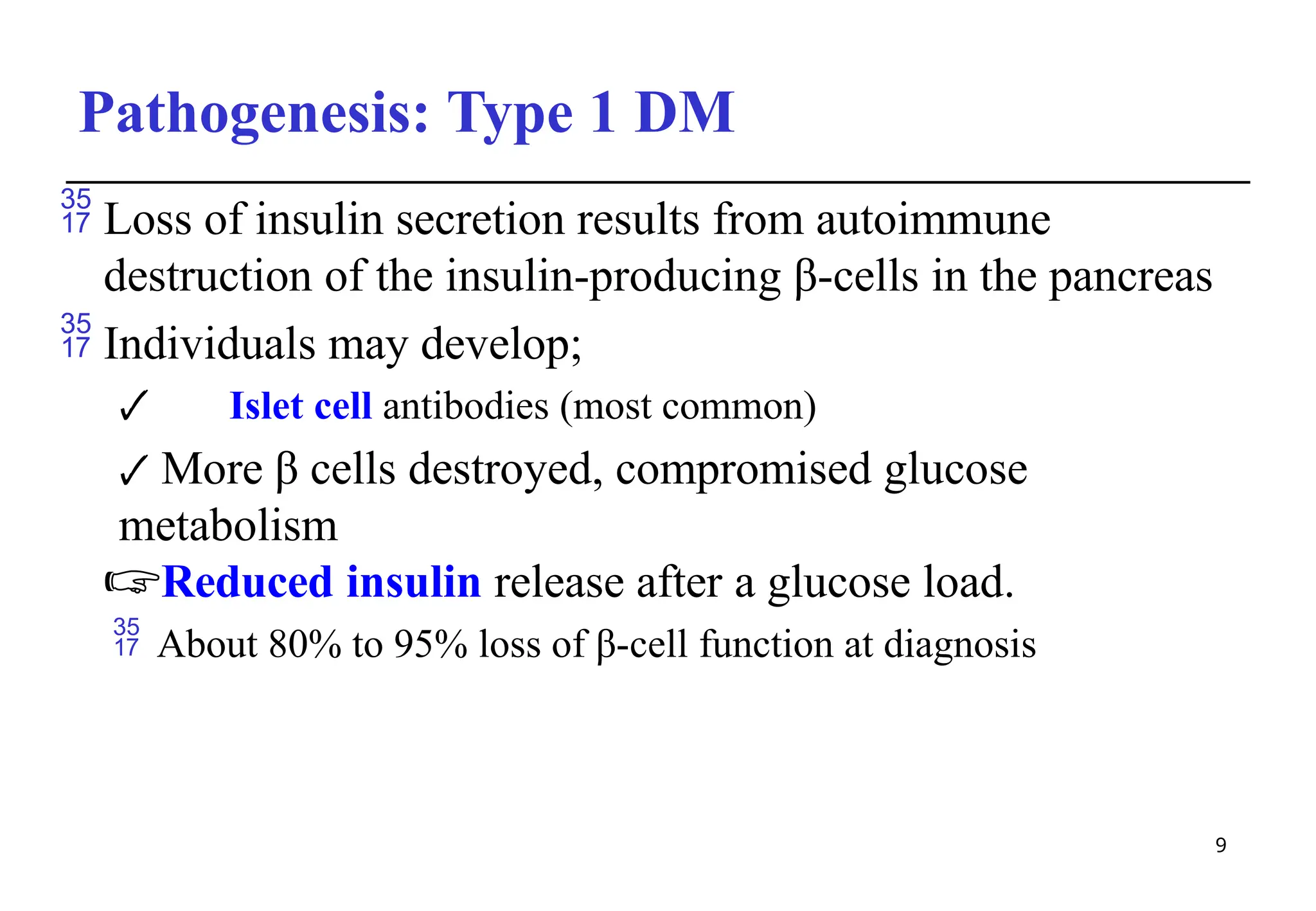
Pathogenesis: Type 1DM
9
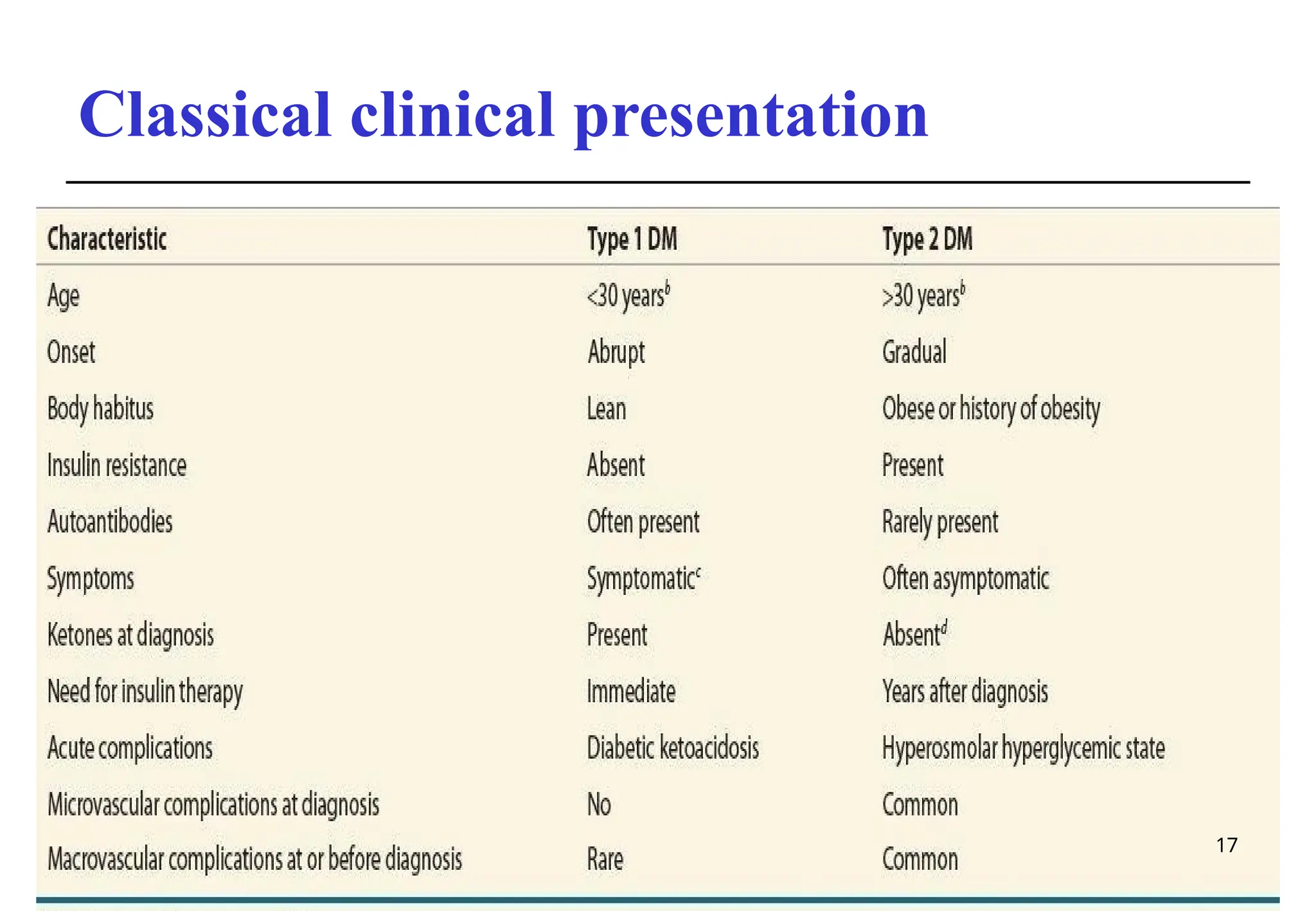
Loss of insulin secretion results from autoimmune
destruction of the insulin-producing β-cells in the pancreas
Individuals may develop;
🗸 Islet cell antibodies (most common)
🗸 More β cells destroyed, compromised glucose
metabolism
🖙Reduced insulin release after a glucose load.
About 80% to 95% loss of β-cell function at diagnosis
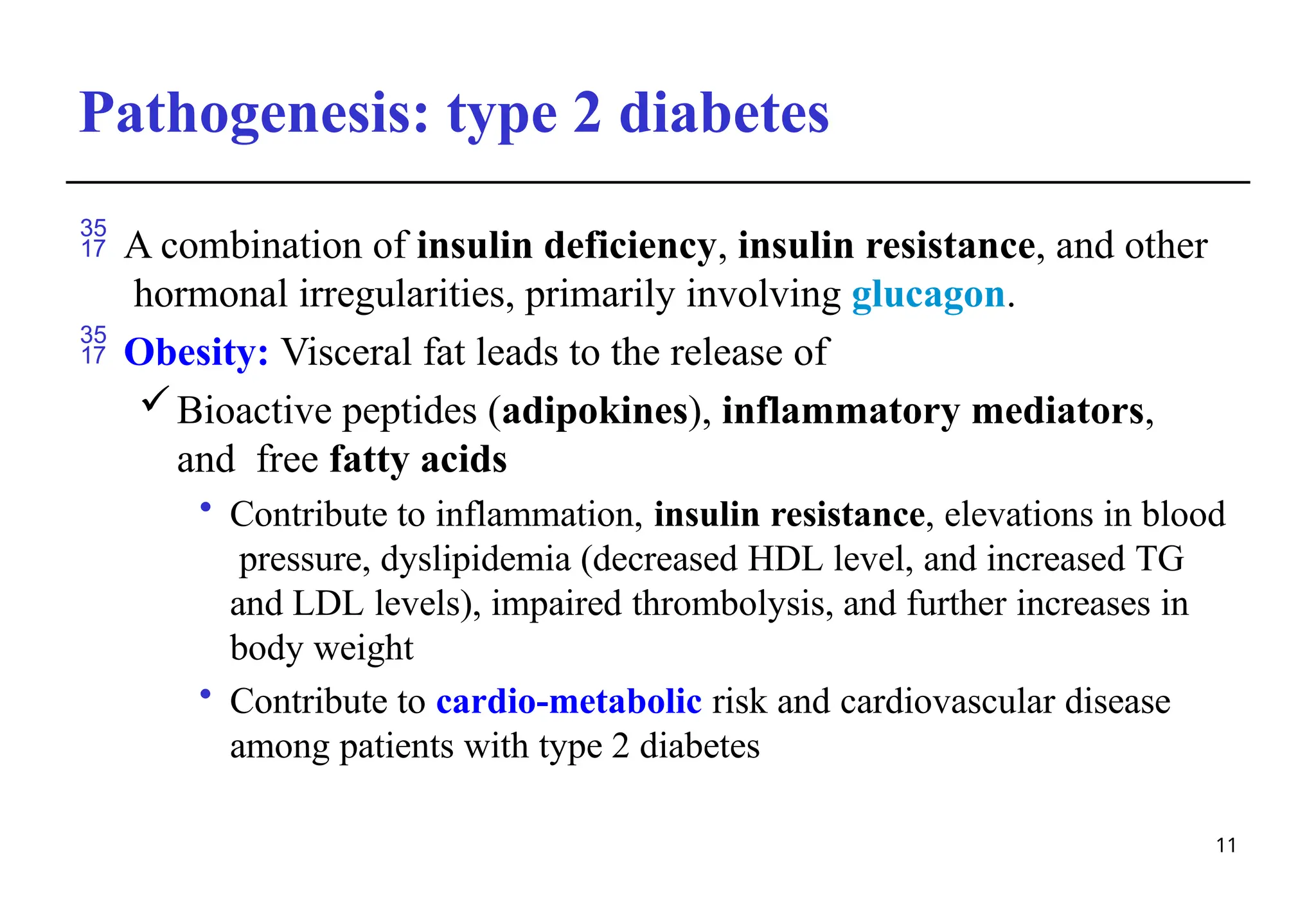
Pathogenesis: type 2diabetes
11
A combination of insulin deficiency, insulin resistance, and other
hormonal irregularities, primarily involving glucagon.
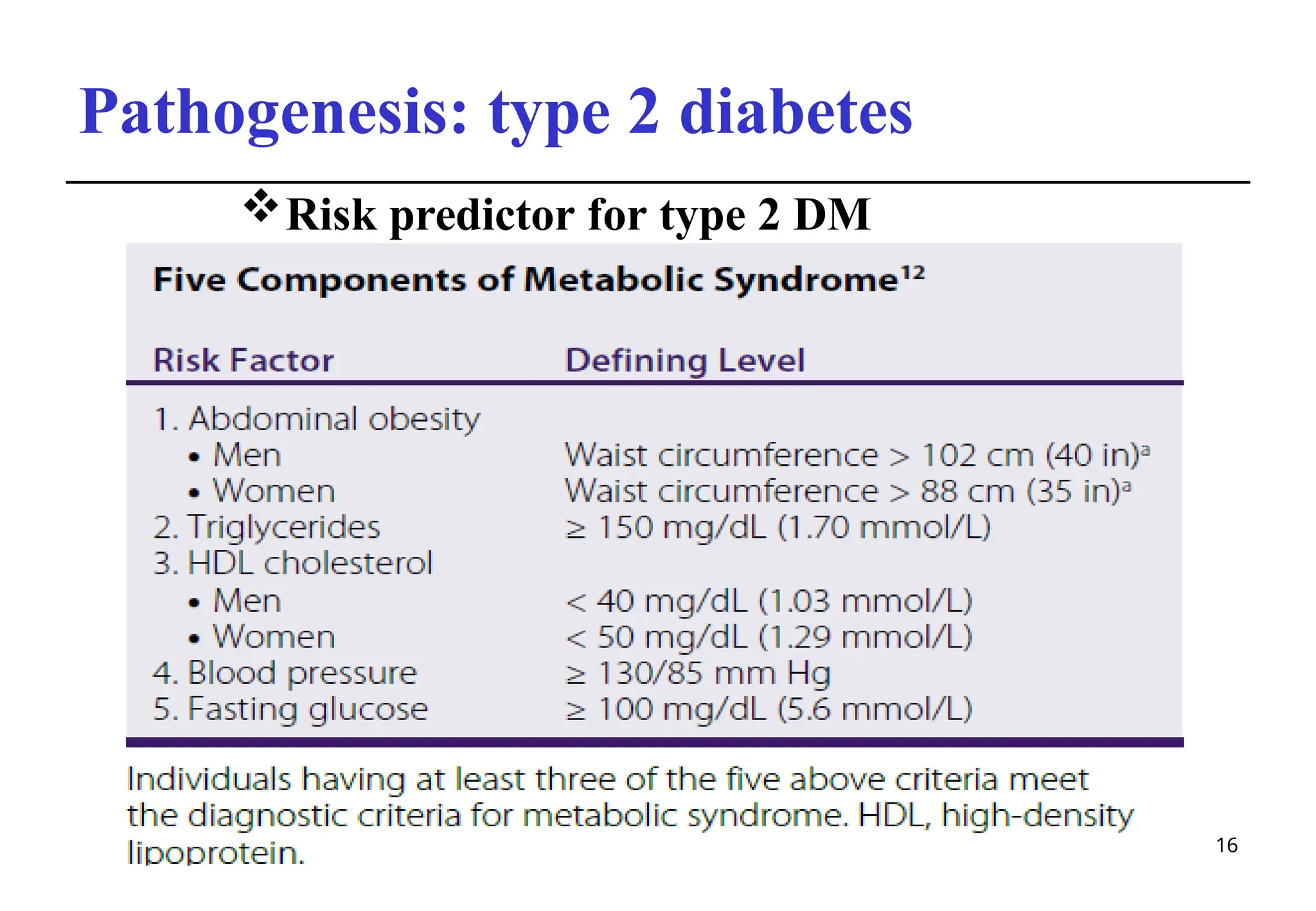
Obesity: Visceral fat leads to the release of
Bioactive peptides (adipokines), inflammatory mediators,
and free fatty acids
• Contribute to inflammation, insulin resistance, elevations in blood
pressure, dyslipidemia (decreased HDL level, and increased TG
and LDL levels), impaired thrombolysis, and further increases in
body weight
• Contribute to cardio-metabolic risk and cardiovascular disease
among patients with type 2 diabetes
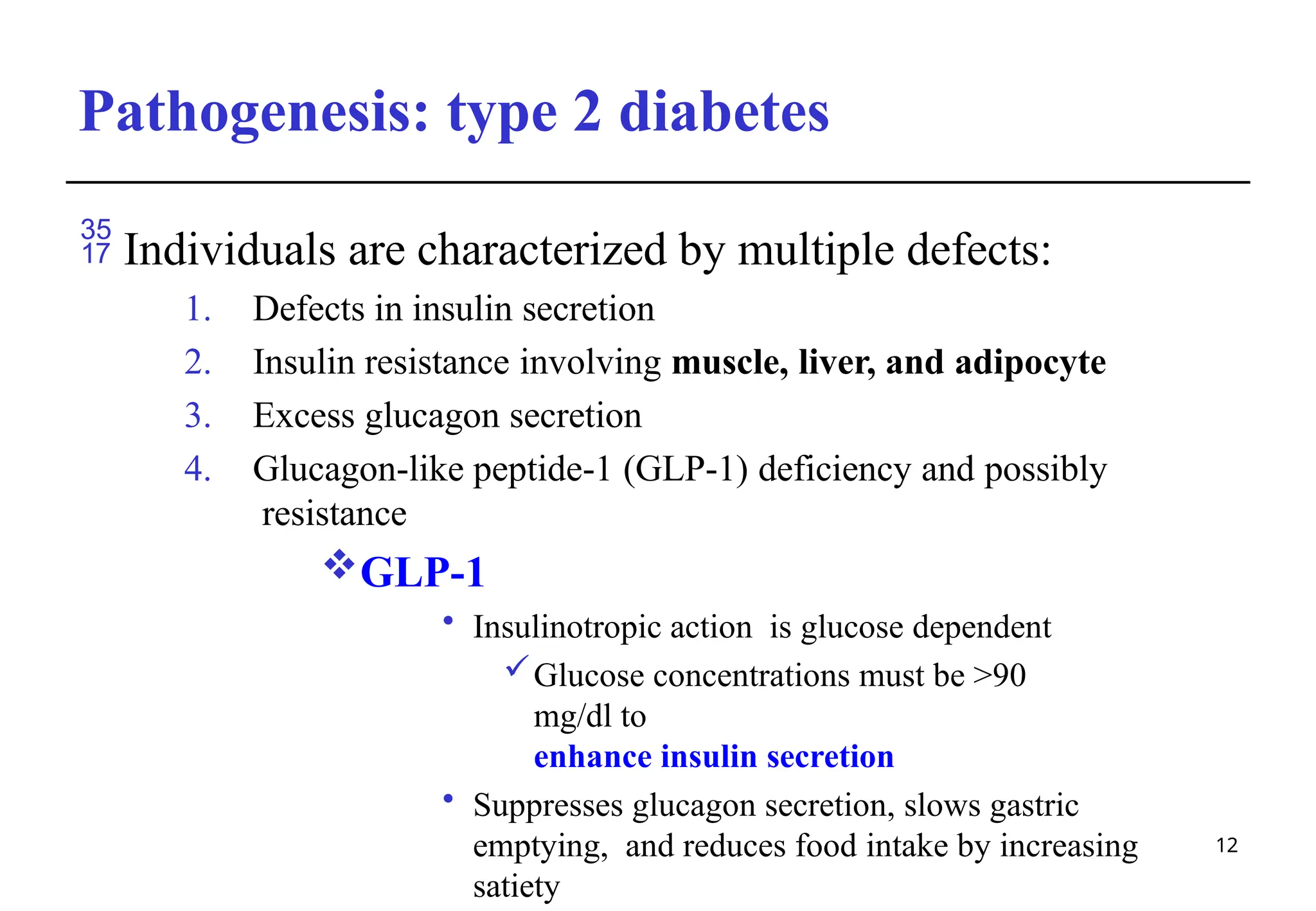
12.
Pathogenesis: type 2diabetes
12
Individuals are characterized by multiple defects:
1. Defects in insulin secretion
2. Insulin resistance involving muscle, liver, and adipocyte
3. Excess glucagon secretion
4. Glucagon-like peptide-1 (GLP-1) deficiency and possibly
resistance
GLP-1
• Insulinotropic action is glucose dependent
Glucose concentrations must be >90
mg/dl to
enhance insulin secretion
• Suppresses glucagon secretion, slows gastric
emptying, and reduces food intake by increasing
satiety
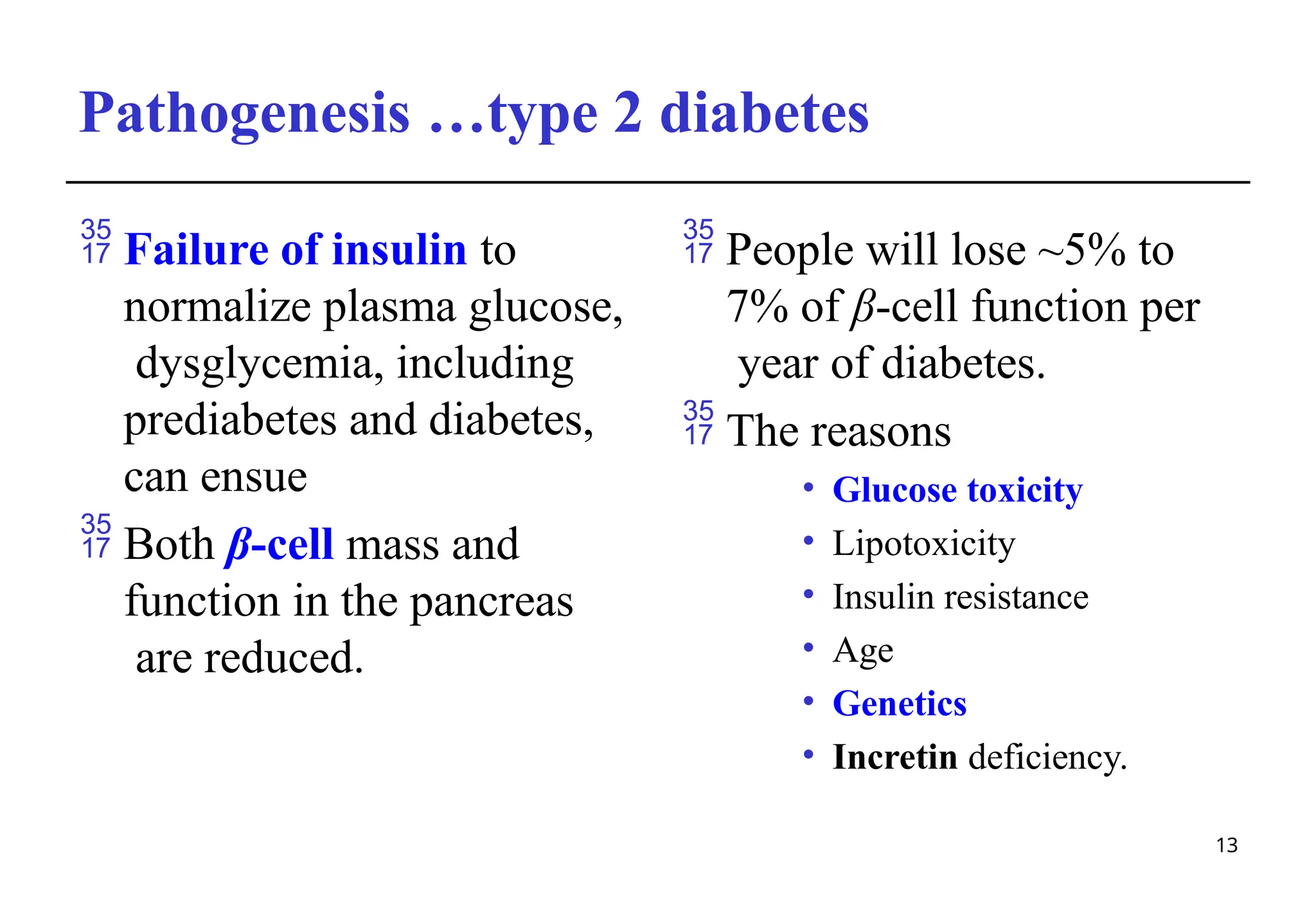
13.
Pathogenesis …type 2diabetes
13
Failure of insulin to
normalize plasma glucose,
dysglycemia, including
prediabetes and diabetes,
can ensue
Both β-cell mass and
function in the pancreas
are reduced.
People will lose ~5% to
7% of β-cell function per
year of diabetes.
The reasons
• Glucose toxicity
• Lipotoxicity
• Insulin resistance
• Age
• Genetics
• Incretin deficiency.
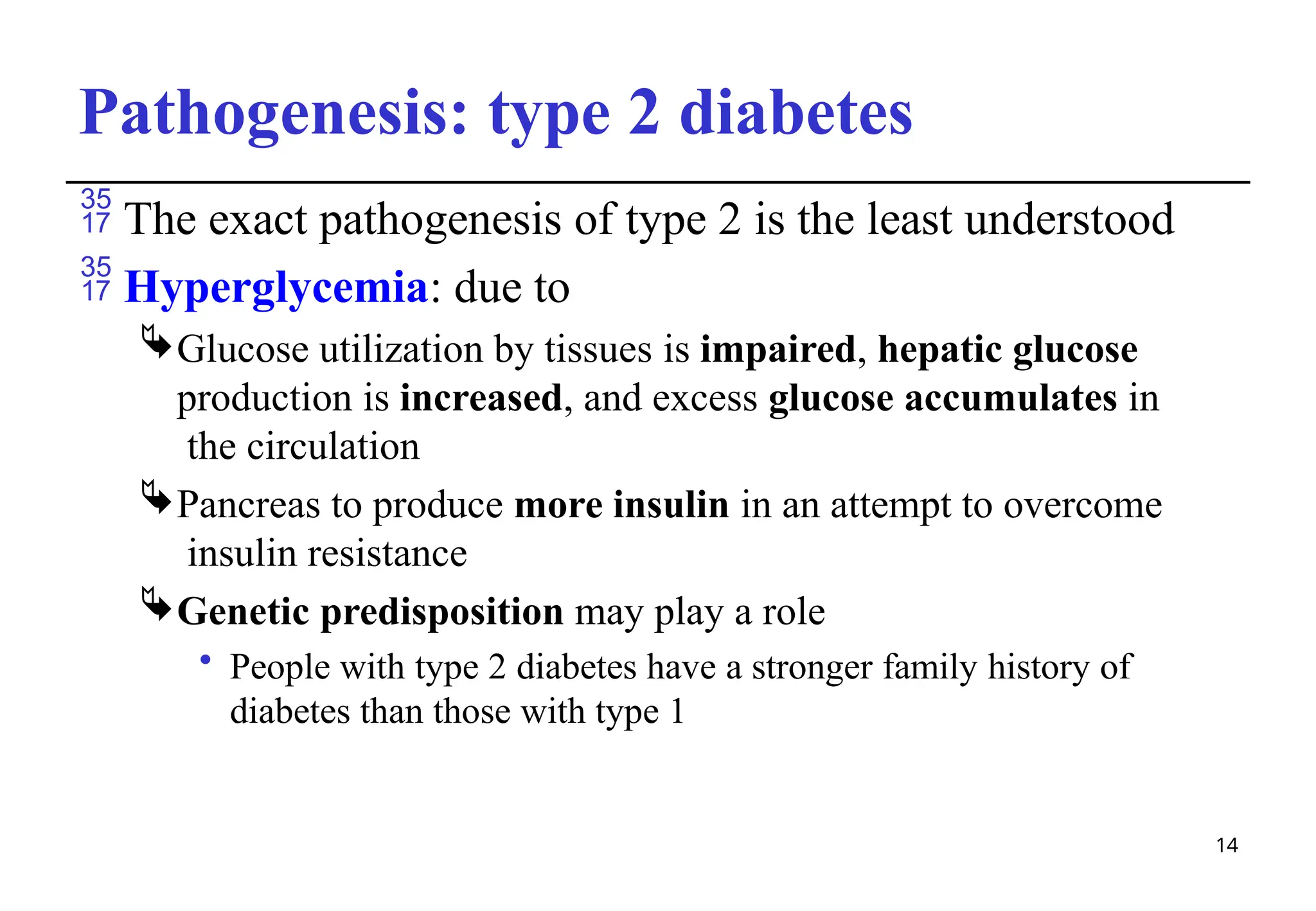
14.
Pathogenesis: type 2diabetes
14
The exact pathogenesis of type 2 is the least understood
Hyperglycemia: due to
Glucose utilization by tissues is impaired, hepatic glucose
production is increased, and excess glucose accumulates in
the circulation
Pancreas to produce more insulin in an attempt to overcome
insulin resistance
Genetic predisposition may play a role
• People with type 2 diabetes have a stronger family history of
diabetes than those with type 1
15.
Pathogenesis: type 2diabetes
15
Over time, β-cells lose their ability to respond to elevated
glucose concentrations
⚫Leading to increasing loss of glucose control
⚫In patients with severe hyperglycemia, the amount of
insulin secreted in response to glucose is diminished and
insulin resistance is worsened (glucose toxicity)
Hyperinsulinemia over time leads to down regulation
of insulin receptor
Treatment: General
19
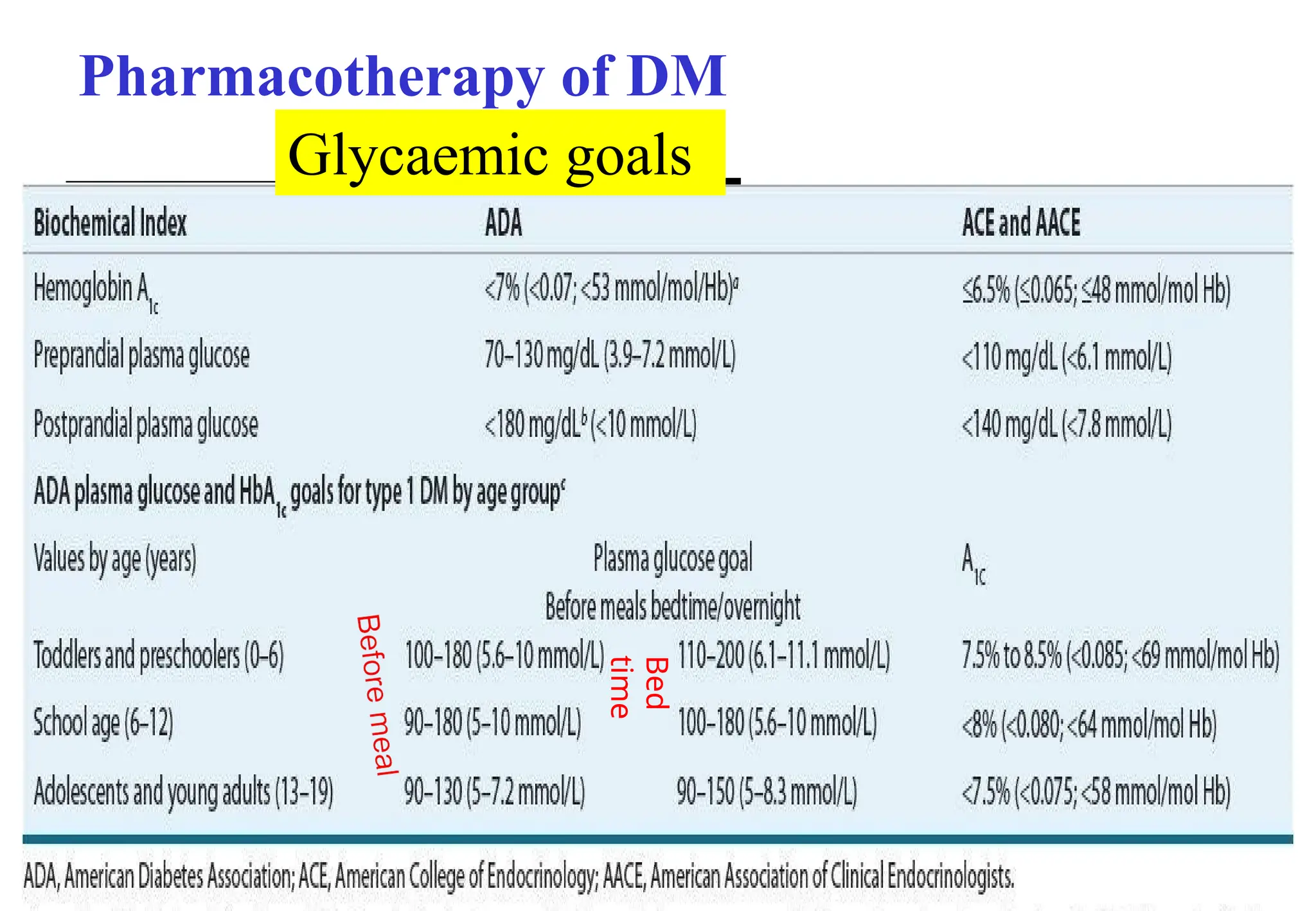
Glycemiccontrol is fundamental to the diabetes
management!!!
Goals of Therapy
⚫Short-term Goals
Establish and maintain optimum glycemic control
No severe or nocturnal hypoglycemia episodes
Control symptoms of polydipsia, polyphagia, and
polyuria
Keeping patients free of urine ketones
Achieve optimal control of co-morbidities [hypertension
and
dyslipidemia]
20.
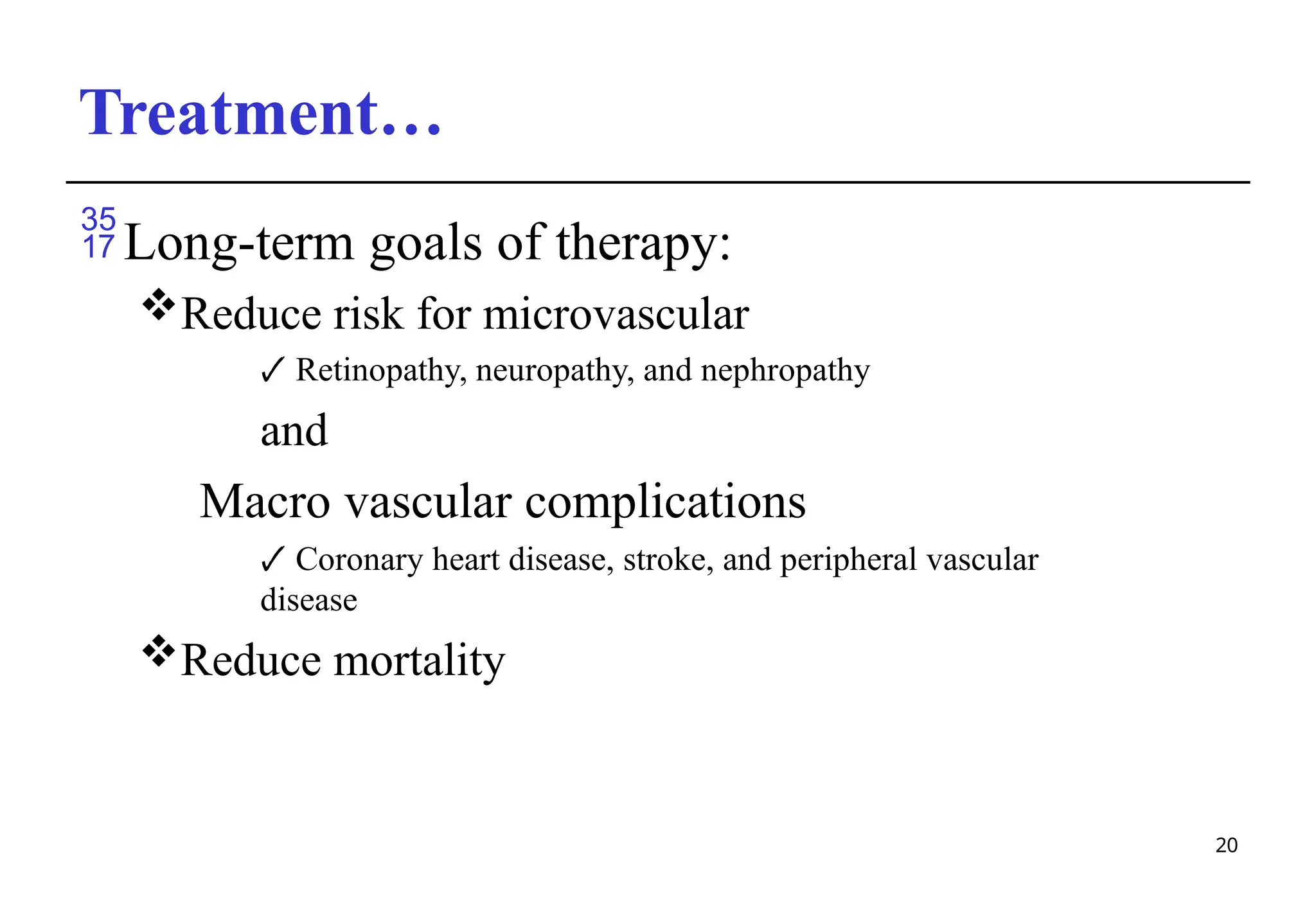
Treatment…
20
Long-term goals oftherapy:
Reduce risk for microvascular
🗸 Retinopathy, neuropathy, and nephropathy
and
Macro vascular complications
🗸 Coronary heart disease, stroke, and peripheral vascular
disease
Reduce mortality
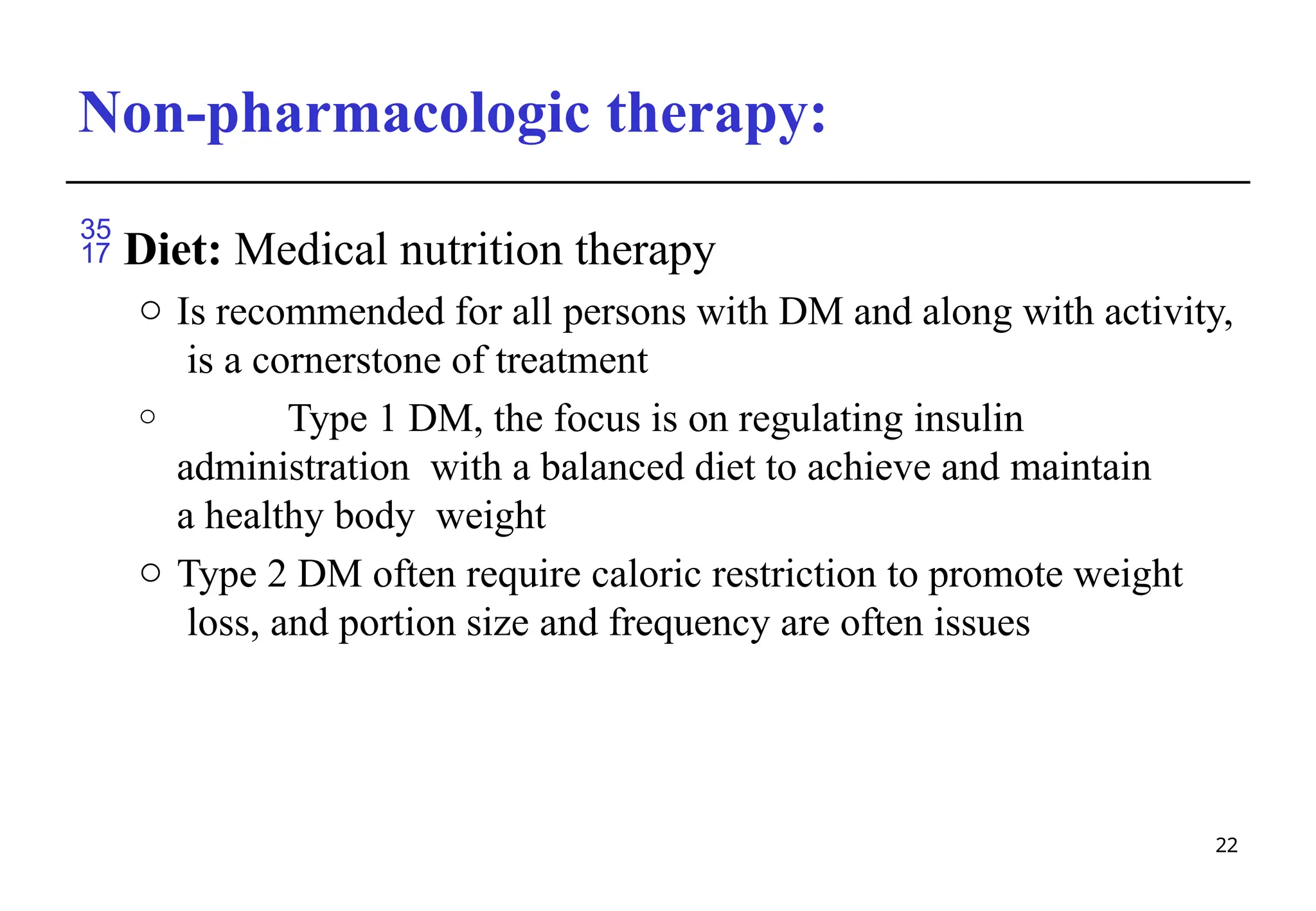
Non-pharmacologic therapy:
22
Diet:Medical nutrition therapy
o Is recommended for all persons with DM and along with activity,
is a cornerstone of treatment
o Type 1 DM, the focus is on regulating insulin
administration with a balanced diet to achieve and maintain
a healthy body weight
o Type 2 DM often require caloric restriction to promote weight
loss, and portion size and frequency are often issues
23.
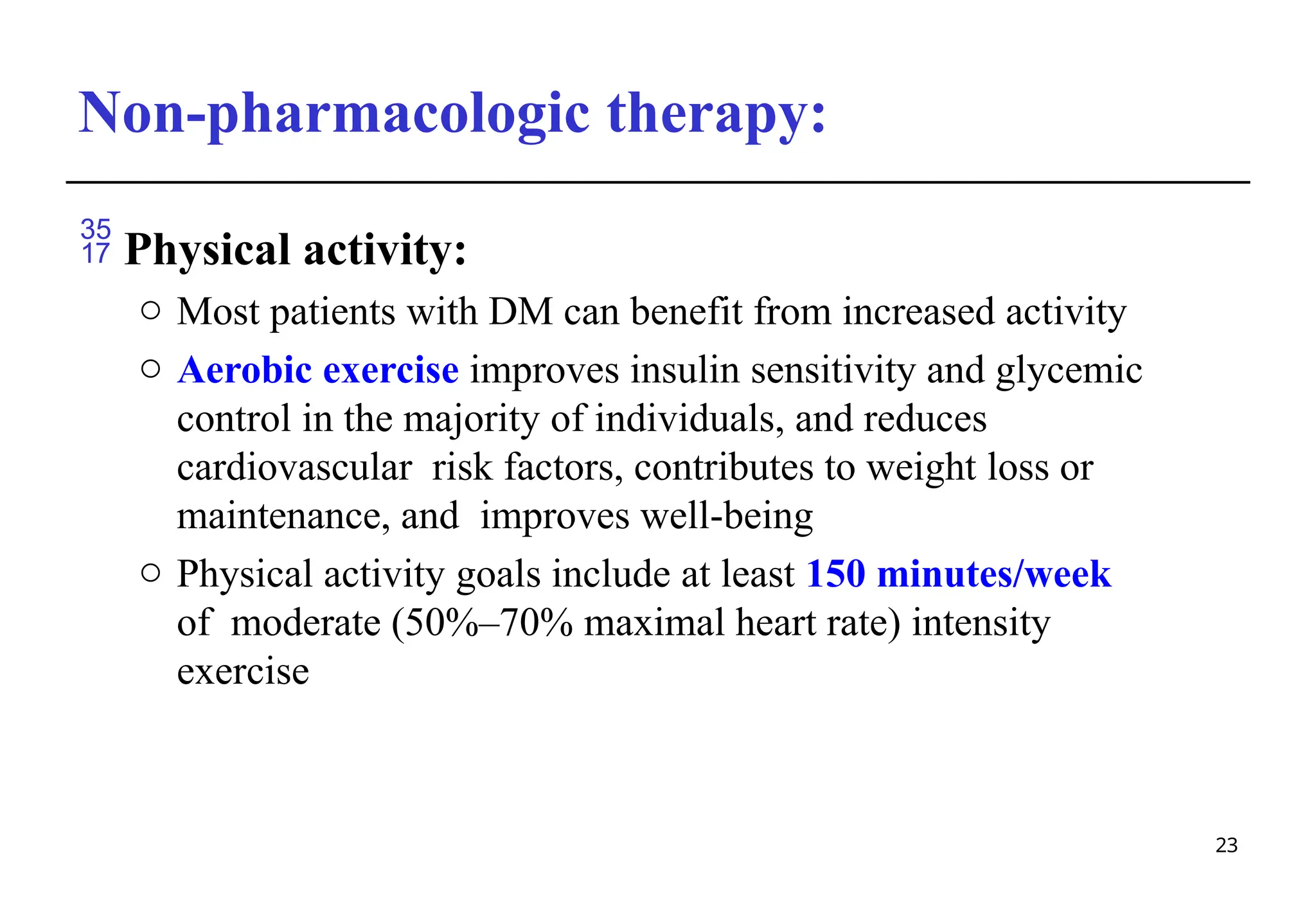
Non-pharmacologic therapy:
23
Physicalactivity:
o Most patients with DM can benefit from increased activity
o Aerobic exercise improves insulin sensitivity and glycemic
control in the majority of individuals, and reduces
cardiovascular risk factors, contributes to weight loss or
maintenance, and improves well-being
o Physical activity goals include at least 150 minutes/week
of moderate (50%–70% maximal heart rate) intensity
exercise
24.
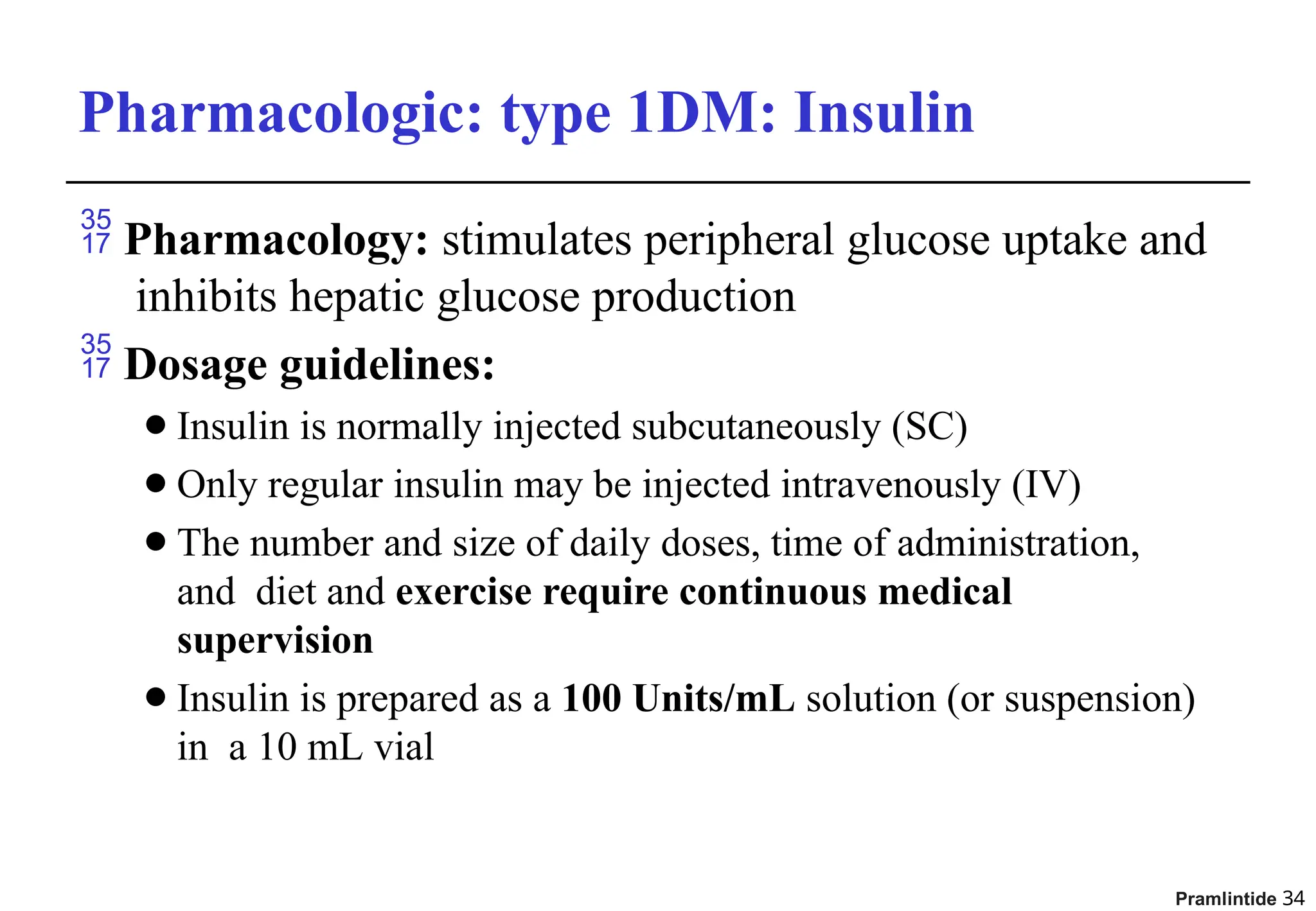
Pharmacologic: type 1DM:Insulin
Pharmacology: stimulates peripheral glucose uptake and
inhibits hepatic glucose production
Dosage guidelines:
⚫Insulin is normally injected subcutaneously (SC)
⚫Only regular insulin may be injected intravenously (IV)
⚫The number and size of daily doses, time of administration,
and diet and exercise require continuous medical
supervision
⚫Insulin is prepared as a 100 Units/mL solution (or suspension)
in a 10 mL vial
Pramlintide 34
25.
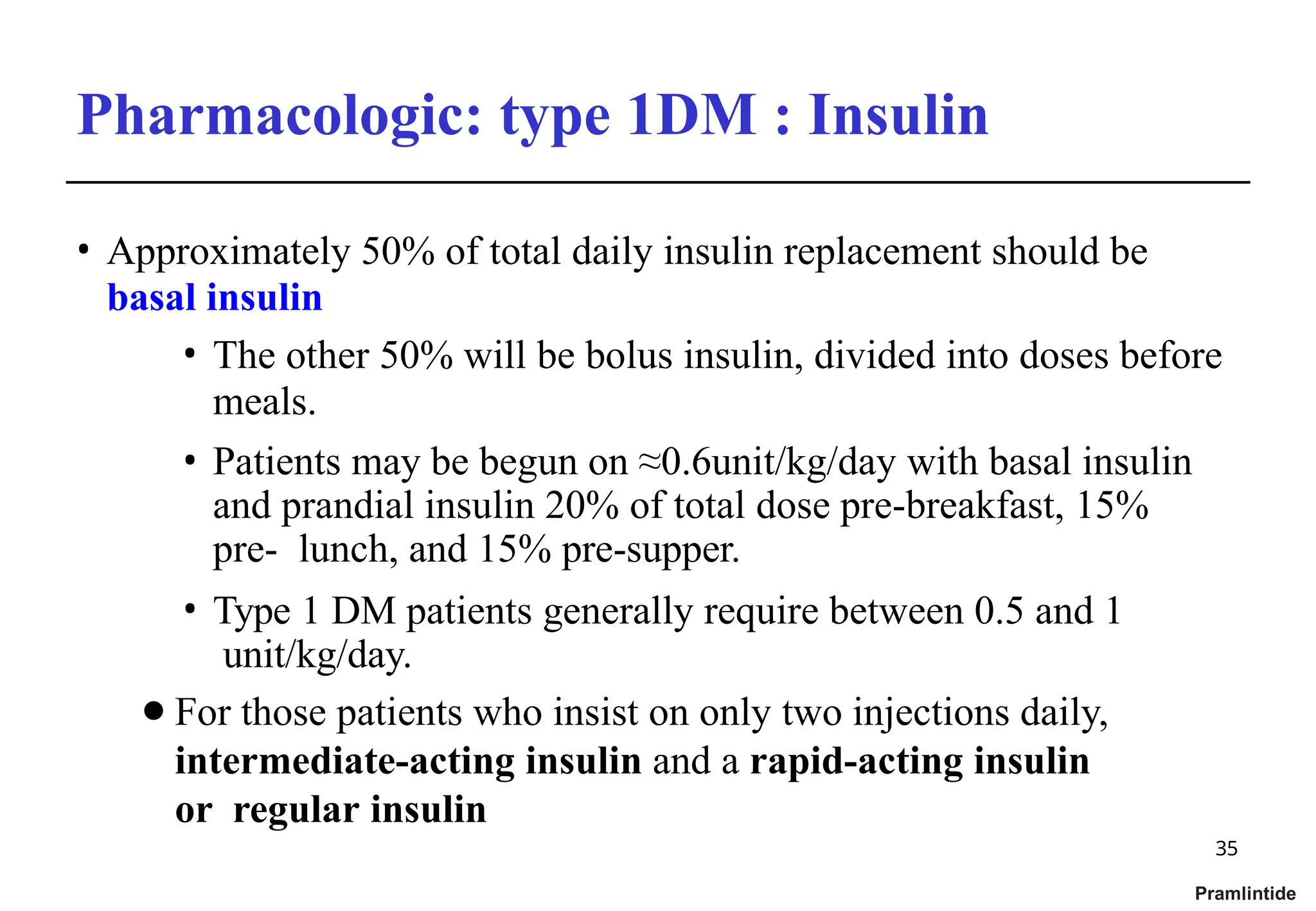
Pharmacologic: type 1DM: Insulin
35
Pramlintide
• Approximately 50% of total daily insulin replacement should be
basal insulin
• The other 50% will be bolus insulin, divided into doses before
meals.
• Patients may be begun on ≈0.6unit/kg/day with basal insulin
and prandial insulin 20% of total dose pre-breakfast, 15%
pre- lunch, and 15% pre-supper.
• Type 1 DM patients generally require between 0.5 and 1
unit/kg/day.
⚫For those patients who insist on only two injections daily,
intermediate-acting insulin and a rapid-acting insulin
or regular insulin
26.
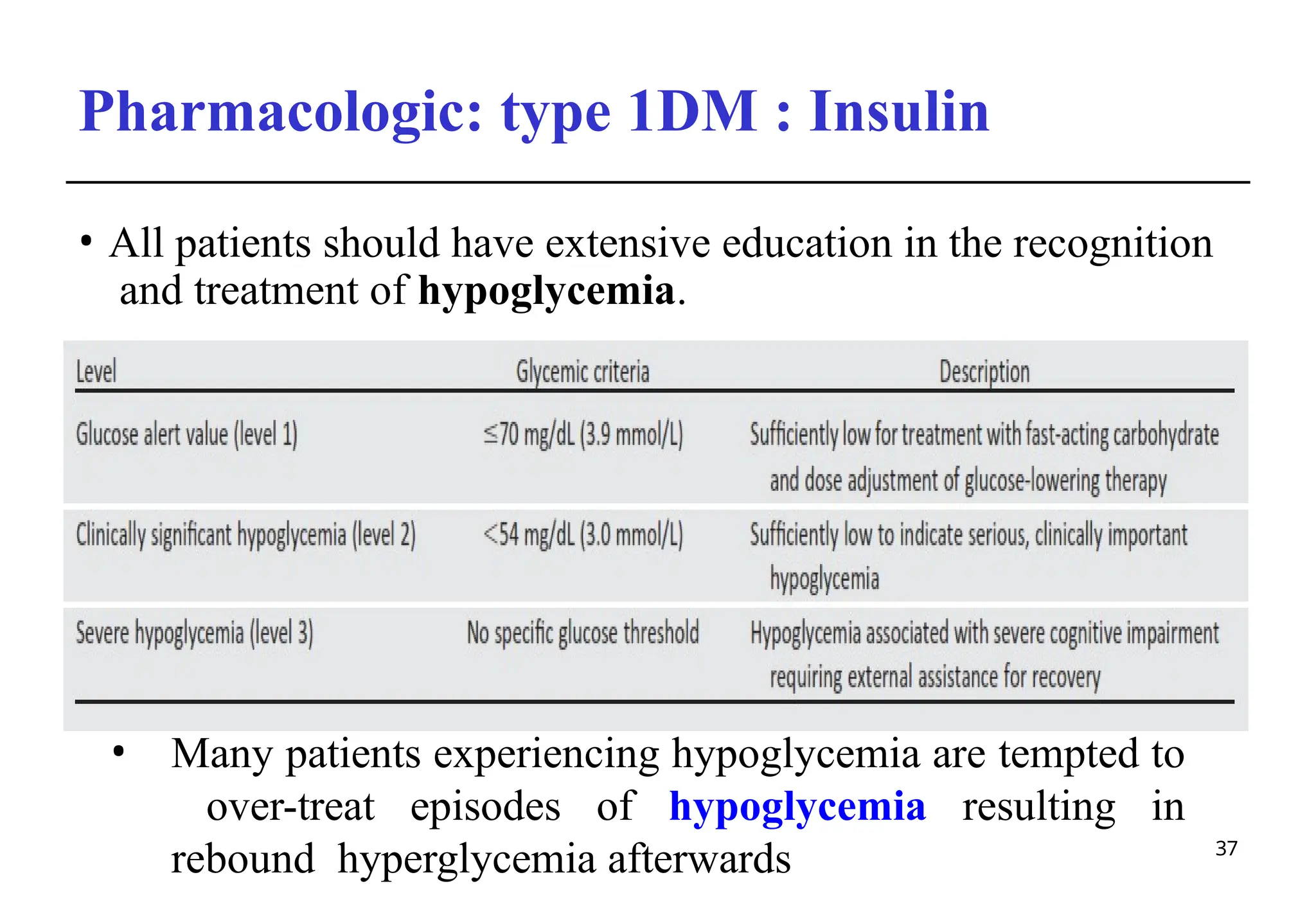
Pharmacologic: type 1DM: Insulin
• All patients should have extensive education in the recognition
and treatment of hypoglycemia.
37
• Many patients experiencing hypoglycemia are tempted to
over-treat episodes of hypoglycemia resulting in
rebound hyperglycemia afterwards
27.
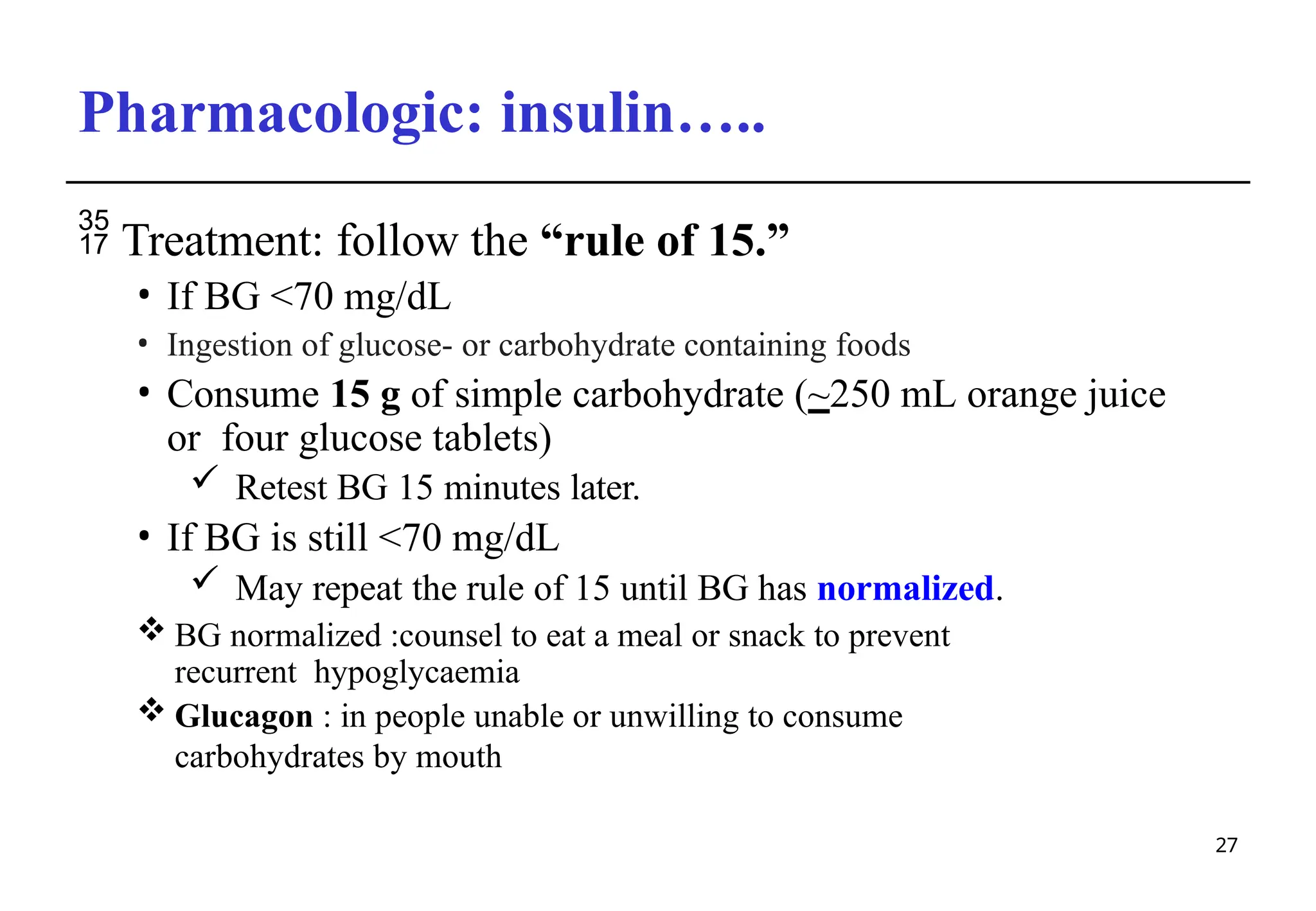
Pharmacologic: insulin…..Hypoglycemia
27
Treatment:follow the “rule of 15.”
• If BG <70 mg/dL
• Ingestion of glucose- or carbohydrate containing foods
• Consume 15 g of simple carbohydrate (~250 mL orange juice
or four glucose tablets)
Retest BG 15 minutes later.
• If BG is still <70 mg/dL
May repeat the rule of 15 until BG has normalized.
BG normalized :counsel to eat a meal or snack to prevent
recurrent hypoglycaemia
Glucagon : in people unable or unwilling to consume
carbohydrates by mouth
28.
Pharmacologic: insulin…..Hypoglycemia
28
Treatment:follow the “rule of 15.”
Glucagon 1mg IM
May take up to 15 minutes to take effect, to mobilise glycogen from the
liver
Less effective in
Chronically malnourished (e.g. Alcoholics)
Prolonged period of starvation
Patients prescribed sulphonylurea
therapy
Depleted glycogen stores
Severe liver disease and recurrent hypoglycaemia
Acute complications: DKA
Due to:
Severe insulin deficiency
Excess counter regulatory hormones
o Glucagon
o Epinephrine
o Cortisol
o Growth hormone
41
31.
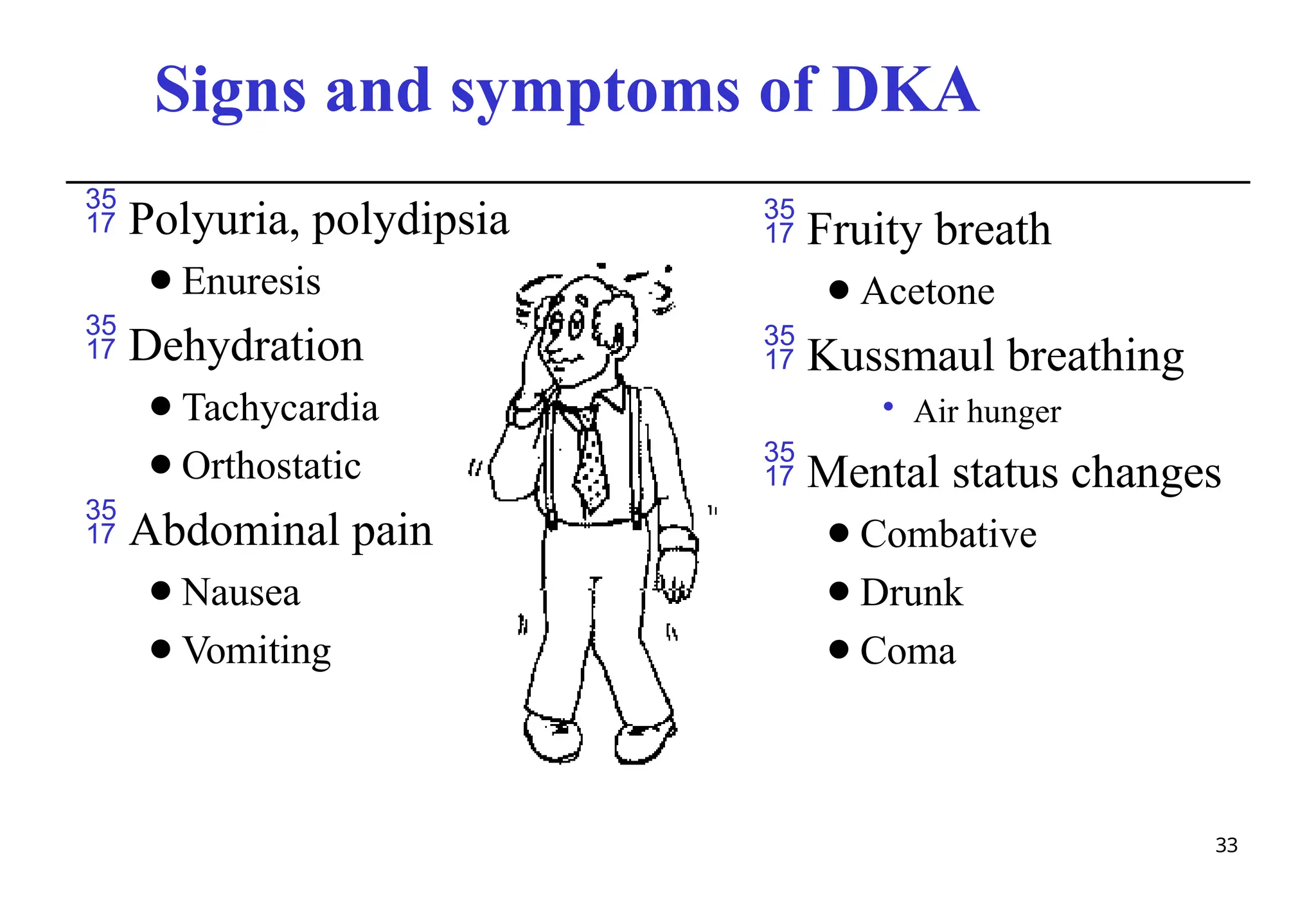
• DKA isa true medical emergency.
• In patients with type 1 DM, ketoacidosis is usually
precipitated by the patient omitting insulin, or acute illness.
• Infection is a common cause of DKA.
• Patients with DKA may be alert, stuporous, or comatose at
presentation.
• The hallmark diagnostic laboratory values for DKA include
hyperglycemia, acidosis, and large ketonemia or ketonuria.
32.
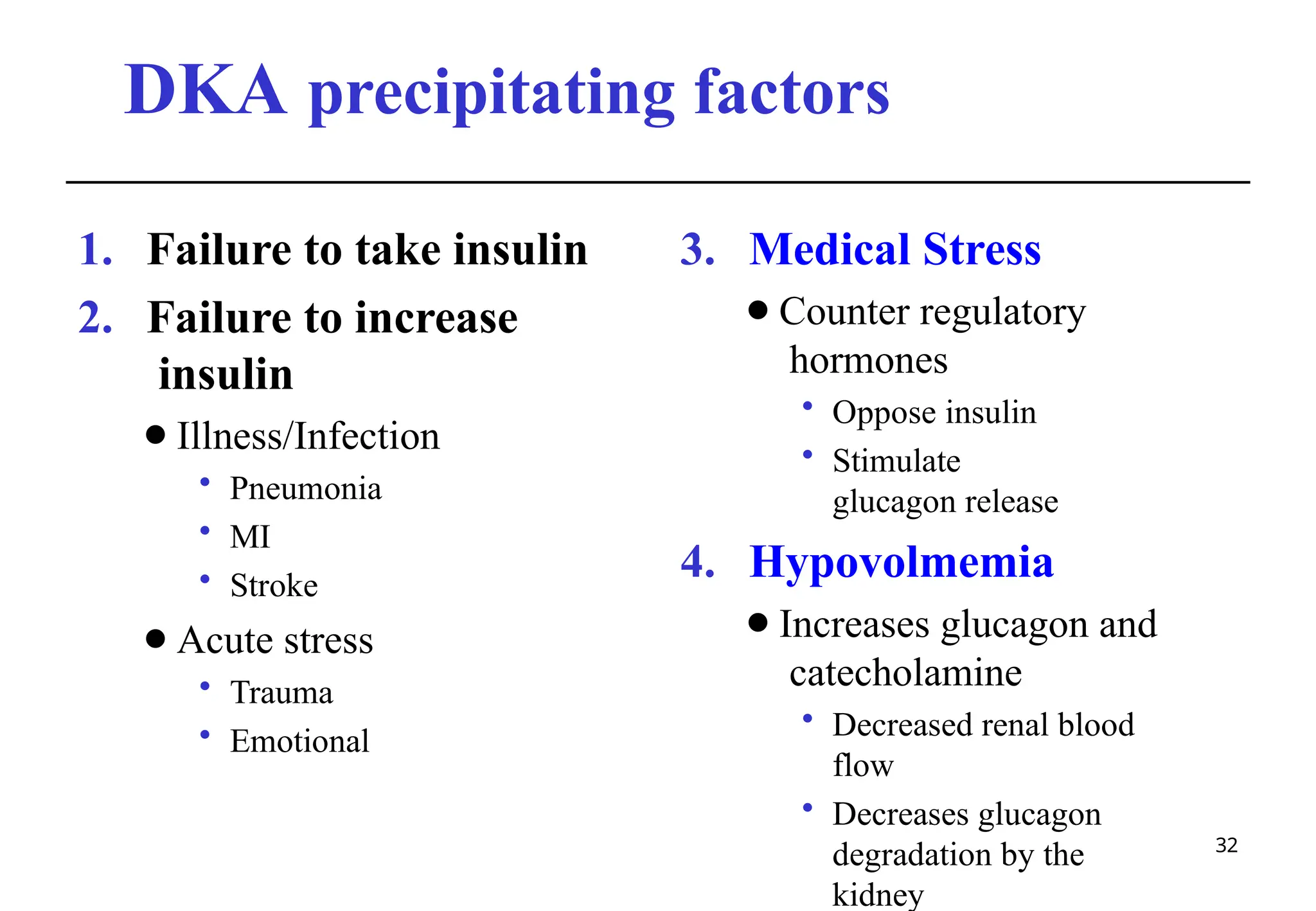
DKA precipitating factors
32
1.Failure to take insulin
2. Failure to increase
insulin
⚫Illness/Infection
• Pneumonia
• MI
• Stroke
⚫Acute stress
• Trauma
• Emotional
3. Medical Stress
⚫Counter regulatory
hormones
• Oppose insulin
• Stimulate
glucagon release
4. Hypovolmemia
⚫Increases glucagon and
catecholamine
• Decreased renal blood
flow
• Decreases glucagon
degradation by the
kidney
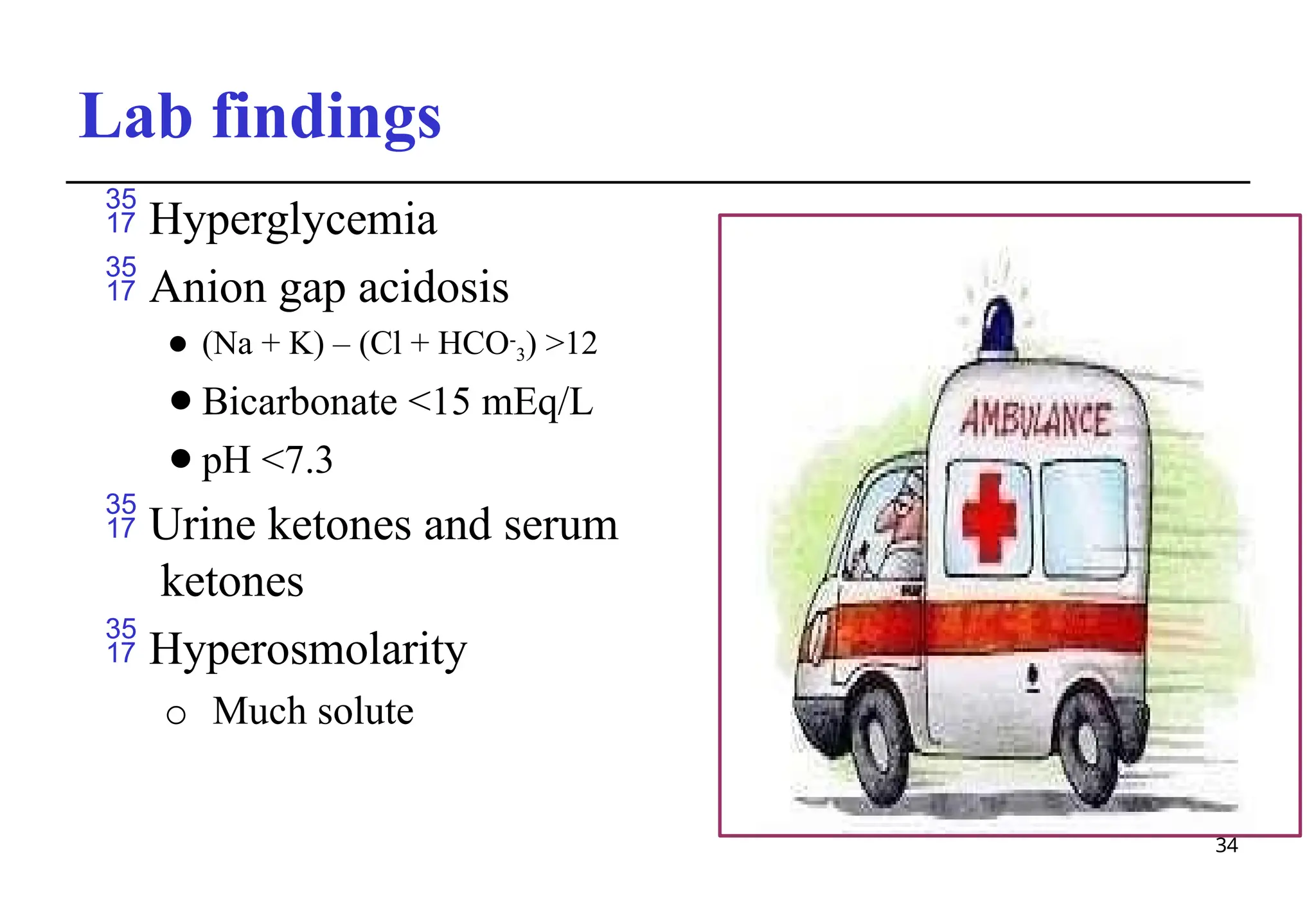
Lab findings
Hyperglycemia
Anion gap acidosis
⚫ (Na + K) – (Cl + HCO-
3) >12
⚫Bicarbonate <15 mEq/L
⚫pH <7.3
Urine ketones and serum
ketones
Hyperosmolarity
o Much solute
34
35.
Treatment…DKA
35
Metabolic treatment targets
•Reduce blood ketone concentration by
0.5mmol/L/hr. and supress ketogenesis.
• Increase venous bicarbonate by
3.0mmol/L/hr.
• Reduce capillary blood glucose by
3.0mmol/L/hr.
• Maintain serum potassium between 4.0 and
5.5mmol/L
Joint British diabetes societies-2013
36.
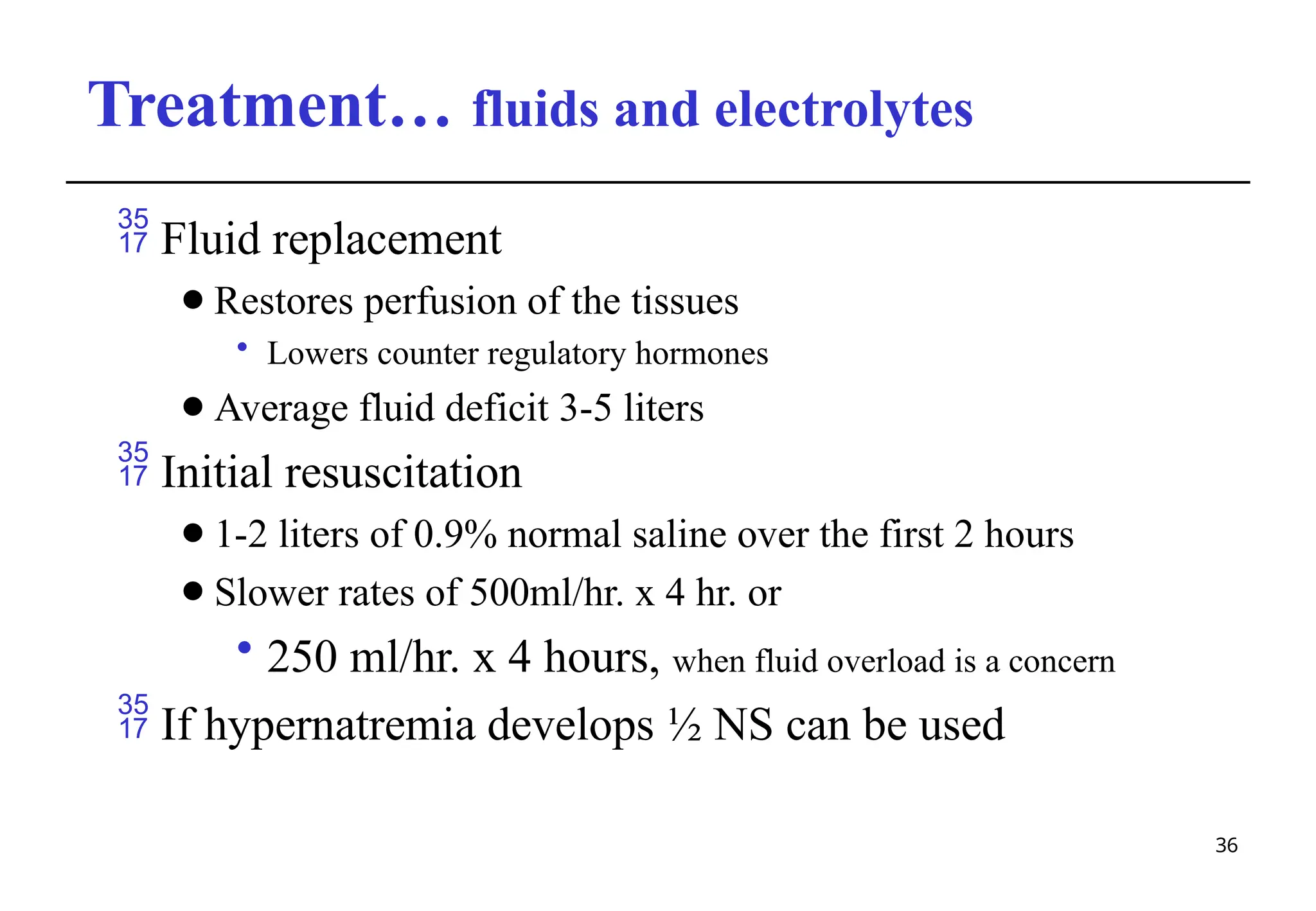
Treatment… fluids andelectrolytes
36
Fluid replacement
⚫Restores perfusion of the tissues
• Lowers counter regulatory hormones
⚫Average fluid deficit 3-5 liters
Initial resuscitation
⚫1-2 liters of 0.9% normal saline over the first 2 hours
⚫Slower rates of 500ml/hr. x 4 hr. or
• 250 ml/hr. x 4 hours, when fluid overload is a concern
If hypernatremia develops ½ NS can be used
37.
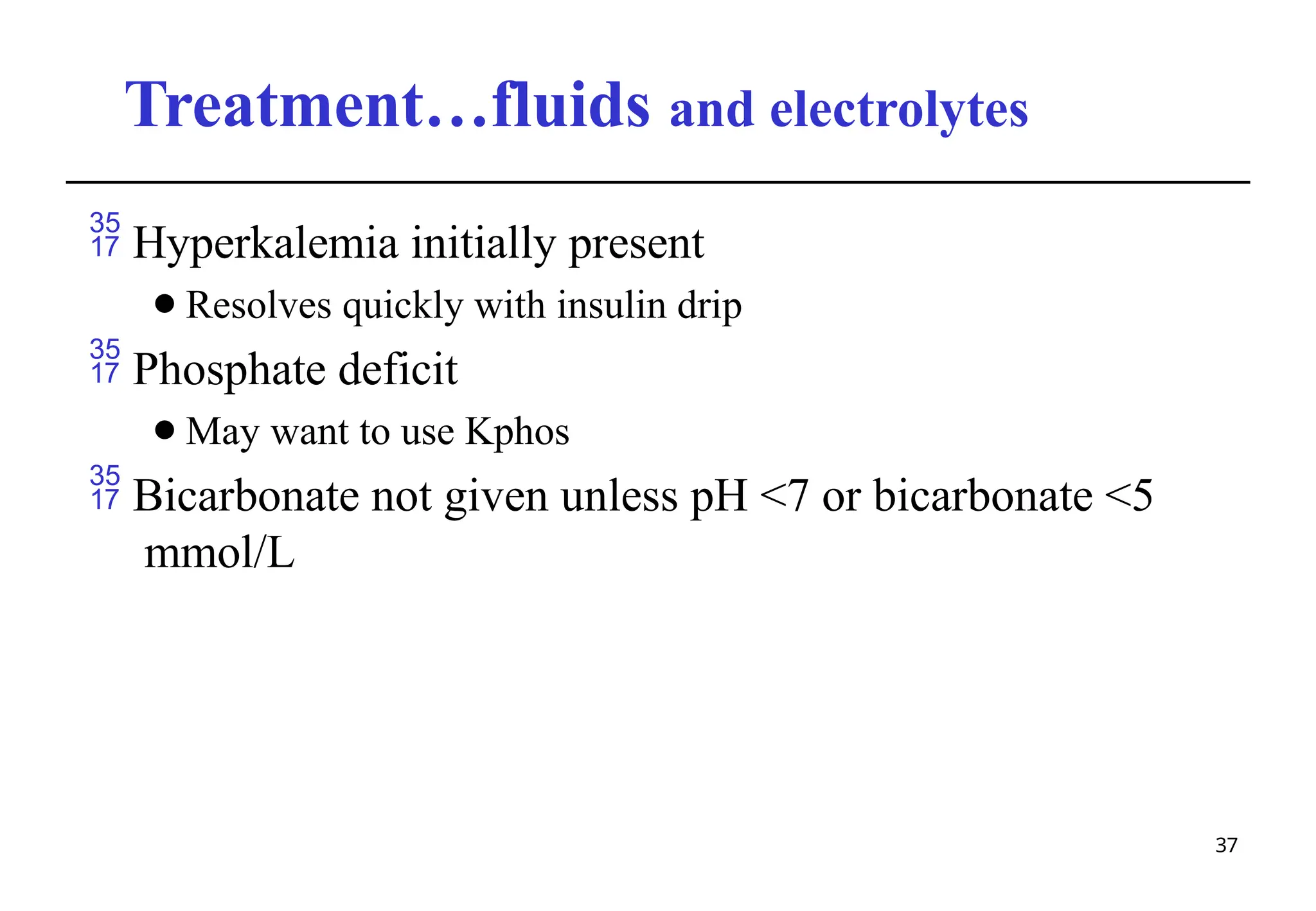
Treatment…fluids and electrolytes
37
Hyperkalemia initially present
⚫Resolves quickly with insulin drip
Phosphate deficit
⚫May want to use Kphos
Bicarbonate not given unless pH <7 or bicarbonate <5
mmol/L
38.
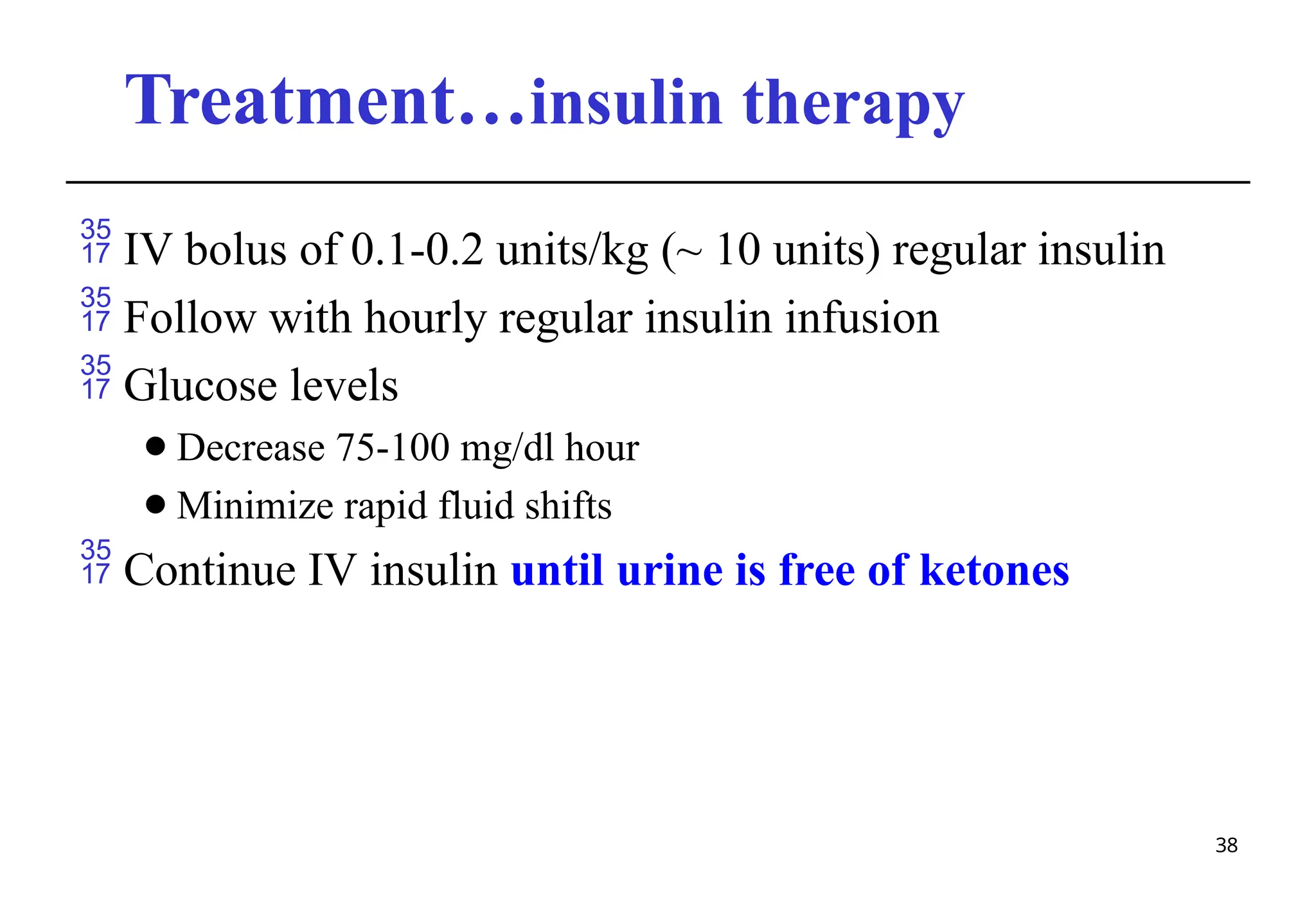
Treatment…insulin therapy
38
IVbolus of 0.1-0.2 units/kg (~ 10 units) regular insulin
Follow with hourly regular insulin infusion
Glucose levels
⚫Decrease 75-100 mg/dl hour
⚫Minimize rapid fluid shifts
Continue IV insulin until urine is free of ketones
39.
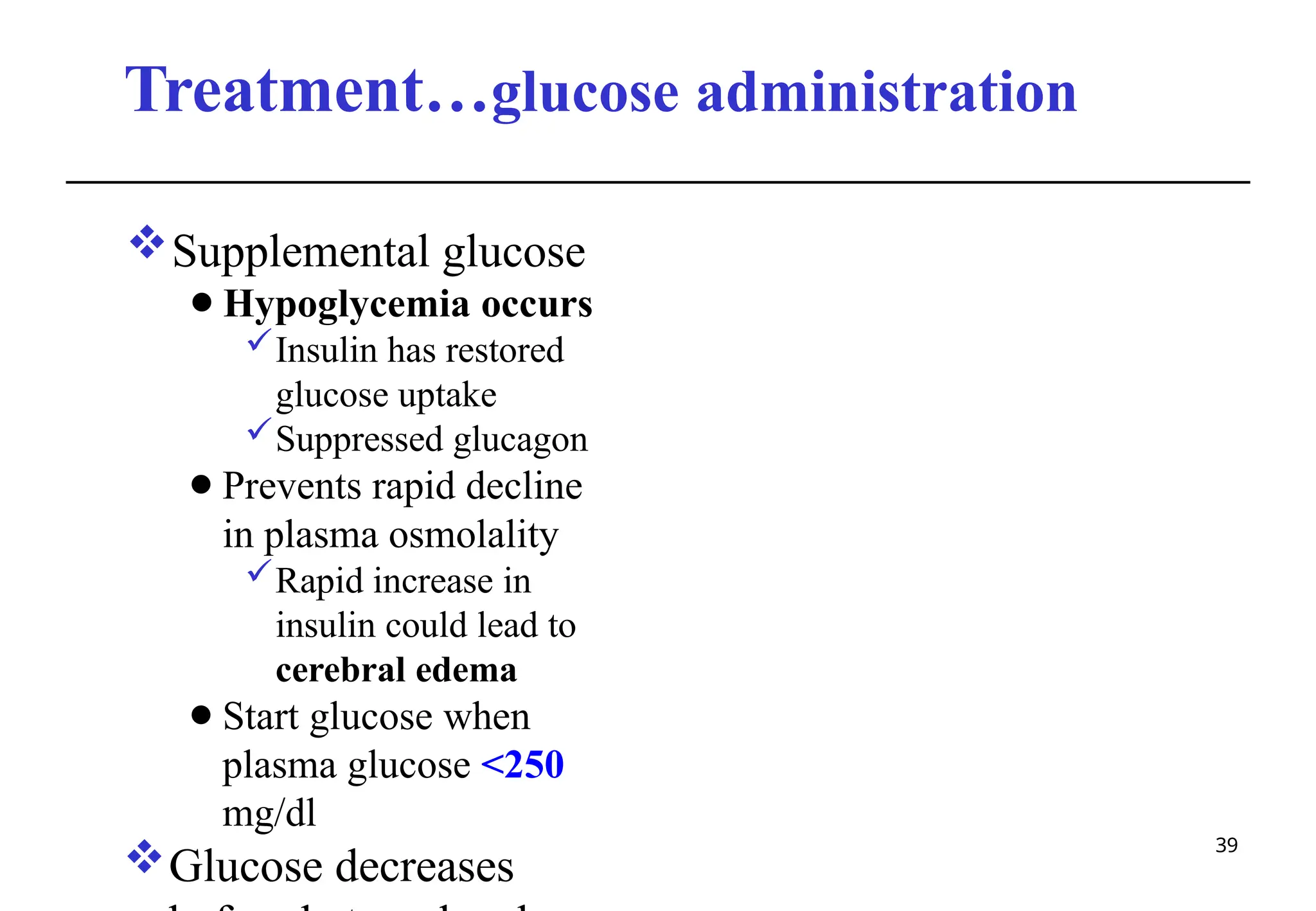
Treatment…glucose administration
39
Supplemental glucose
⚫Hypoglycemiaoccurs
Insulin has restored
glucose uptake
Suppressed glucagon
⚫Prevents rapid decline
in plasma osmolality
Rapid increase in
insulin could lead to
cerebral edema
⚫Start glucose when
plasma glucose <250
mg/dl
Glucose decreases
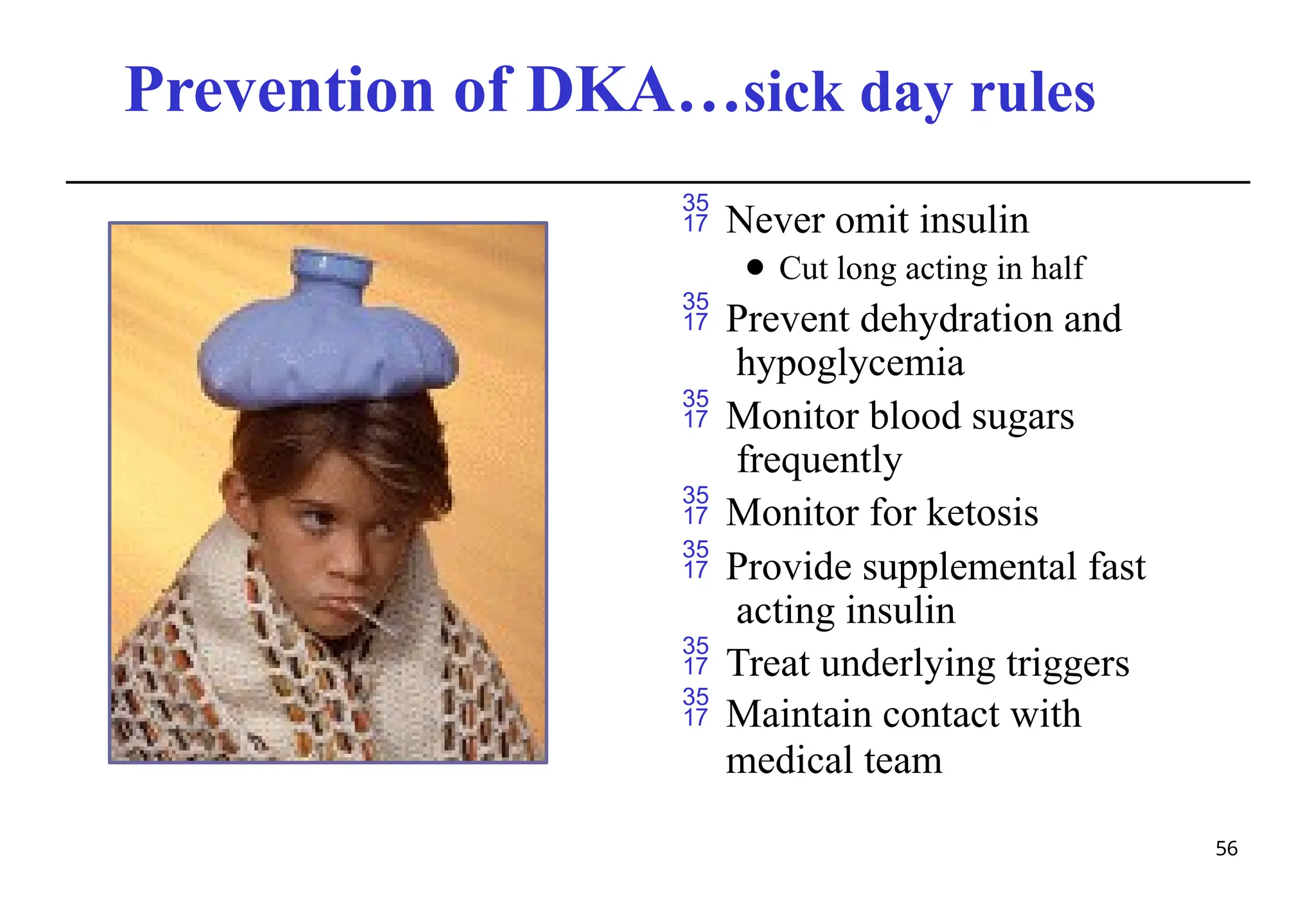
Prevention of DKA…sickday rules
Never omit insulin
⚫ Cut long acting in half
Prevent dehydration and
hypoglycemia
Monitor blood sugars
frequently
Monitor for ketosis
Provide supplemental fast
acting insulin
Treat underlying triggers
Maintain contact with
medical team
56
42.
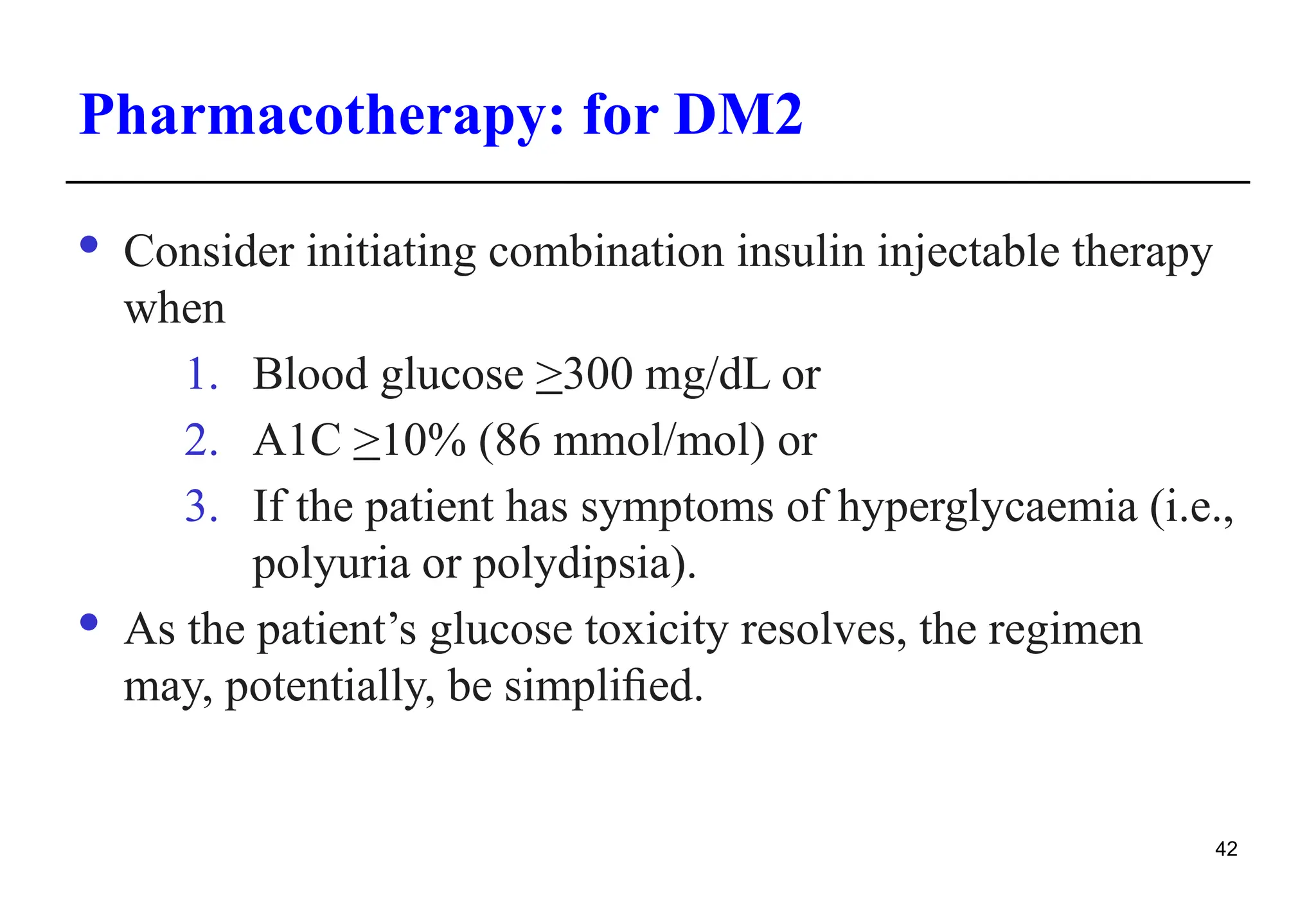
Pharmacotherapy: for DM2
·Consider initiating combination insulin injectable therapy
when
1. Blood glucose >300 mg/dL or
2. A1C >10% (86 mmol/mol) or
3. If the patient has symptoms of hyperglycaemia (i.e.,
polyuria or polydipsia).
· As the patient’s glucose toxicity resolves, the regimen
may, potentially, be simplified.
42
43.
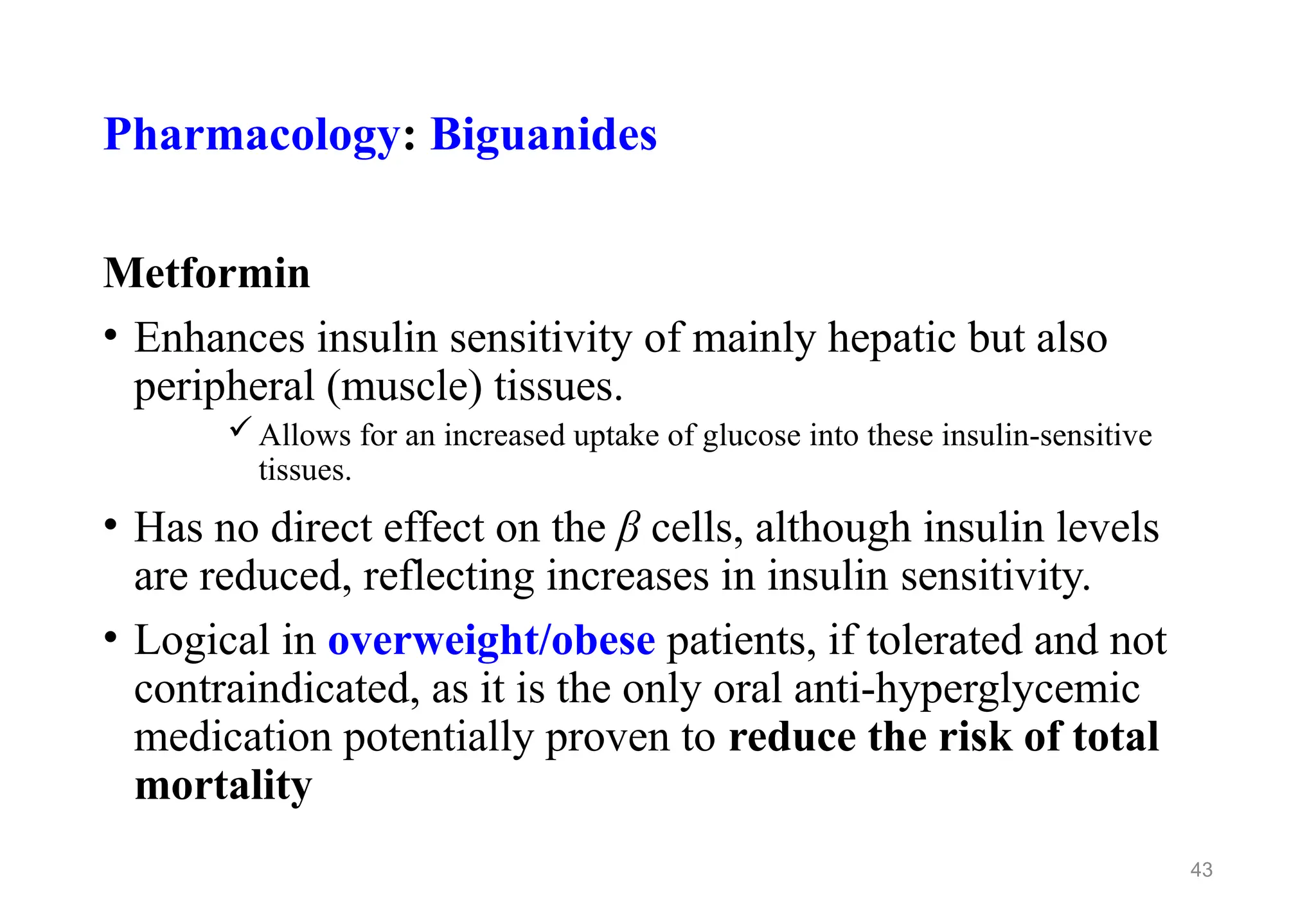
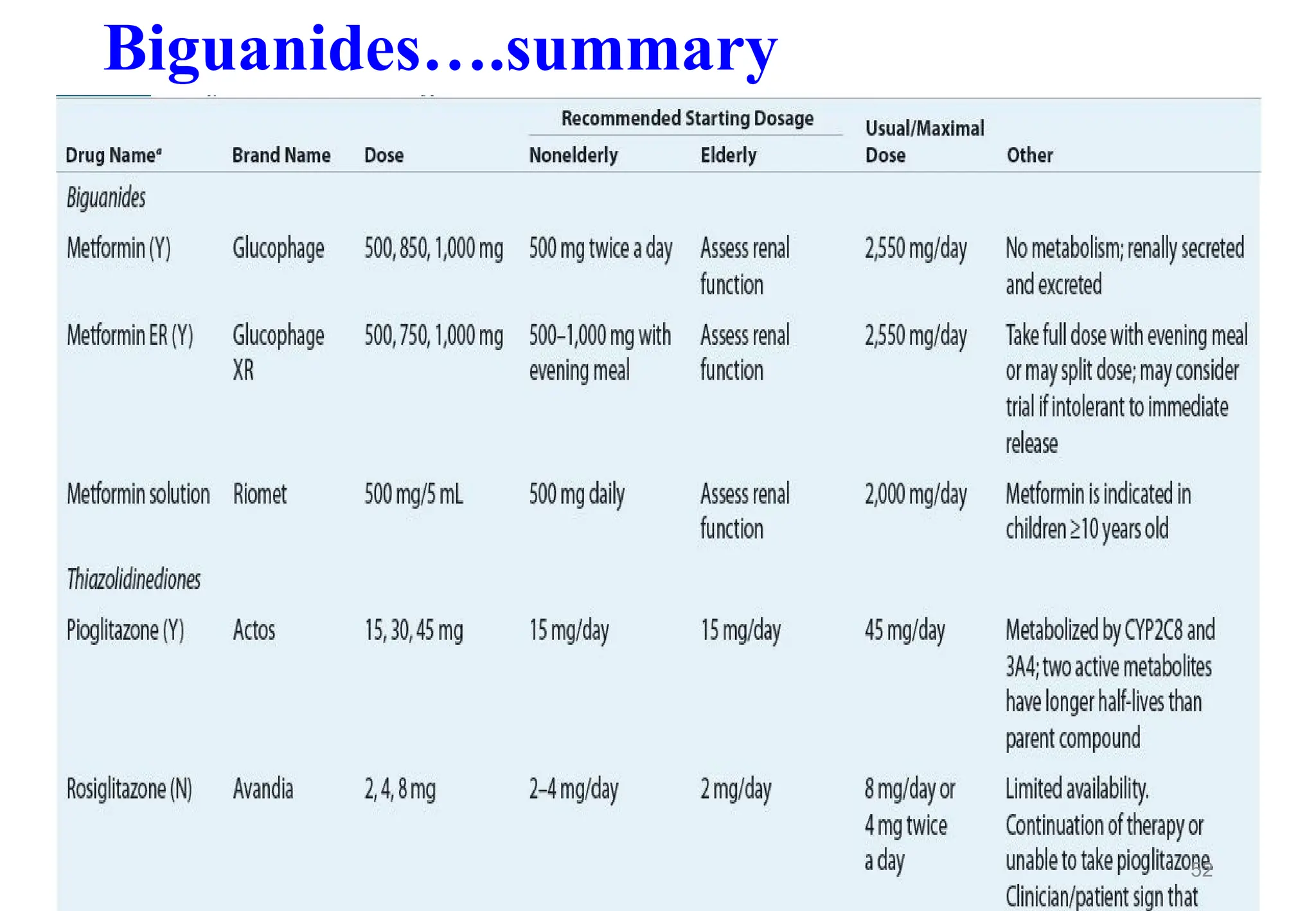
Pharmacology: Biguanides
Metformin
• Enhancesinsulin sensitivity of mainly hepatic but also
peripheral (muscle) tissues.
Allows for an increased uptake of glucose into these insulin-sensitive
tissues.
• Has no direct effect on the β cells, although insulin levels
are reduced, reflecting increases in insulin sensitivity.
• Logical in overweight/obese patients, if tolerated and not
contraindicated, as it is the only oral anti-hyperglycemic
medication potentially proven to reduce the risk of total
mortality
43
44.
Pharmacology…pharmacokinetics
• Approximately 50%to 60% oral bioavailability, low
lipid solubility, and a volume of distribution that
approximates body water.
• It is not metabolized and does not bind to plasma
proteins.
• Eliminated by renal tubular secretion and glomerular
filtration.
• The average plasma half-life of metformin is 6 hours,
although pharmacodynamically, metformin’s anti-
hyperglycemic effects last more than 24 hours.
44
45.
Pharmacology…efficacy
• Consistently reduces
HbA1clevels by 1.5% to 2% and FPG levels by 60 to 80 mg/dL in
drug-naïve patients, and
• Retains the ability to reduce FPG levels when they are
extremely high (>300 mg/dL).
• Also has positive effects on several components of the
insulin resistance syndrome.
It decreases plasma TGs and LDL-C by approximately 8% to 15%,
in addition to increasing HDL-C very modestly (2%).
• Metformin causes a modest reduction in weight (2 to 3
kg).
45
46.
Pharmacology…efficacy
Microvascular Complications
• Foundto reduce microvascular complications
Macrovascular Complications
• Reduced macrovascular complications in obese subjects.
• It significantly reduced all-cause mortality and risk of stroke
• Has also reduced diabetes-related death
46
47.
Pharmacology…adverse effects
• Metformincauses GI side effects, including abdominal discomfort,
stomach upset, and/or diarrhea, in approximately 30% of patients.
• Anorexia and stomach fullness is likely part of the reason loss of weight is
noted with metformin.
• These side effects are usually mild and can be minimized by slow titration.
• GI side effects also tend to be transient, lessening in severity over several
weeks.
• If encountered, make sure patients are taking metformin with or right after
meals, and reduce the dose to a point at which no GI side effects are
encountered.
• Increases in the dose may be tried again in several weeks.
• Anecdotally, extended-release metformin (Glucophage XR) may lessen
some of the GI side effects.
47
48.
Pharmacology…adverse effects
• Metallictaste, interference with vitamin B12
absorption, and hypoglycemia during intense
exercise have been documented, but are clinically
uncommon.
• Metformin therapy rarely (3 to 9 cases per 100,000
patient-years) causes lactic acidosis.
48
49.
Pharmacology…adverse effects
• Eidencehas reported that metformin may be fairly safe
in moderate renal insufficiency.
• Metformin use can be modified based on the estimated
glomerular filtration rate,
<60 mL/min/1.73 m2 : monitor renal function every 3 to 6
months
<45 to ≥30 mL/min/1.73 m2: limit dose to 50% of maximal
dose
<30 mL/min/1.73 m2: stop metformin
49
50.
Dosing and administration
•Immediate-release metformin
500 mg twice a day with the largest meals to minimize
GI side effects.
May be increased by 500 mg as tolerated until glycemic goals or
2,500 mg/day is achieved
• Metformin 850 mg
May be dosed daily, and then increased every 1 to 2 weeks to the
maximum dose of 850 mg three times a day (2,550 mg/day).
• Approximately 80% of the glycemic-lowering effect
may be seen at 1,500 mg, and 2,000 mg/day is the
maximal effective dose.
50
51.
Dosing and administration
•Extended-release metformin
Can be initiated at 500 mg a day with the evening meal
and titrated by 500 mg as tolerated to a single evening
dose of 2,000 mg/day.
• Extended-release metformin 750-mg tablets
May be titrated as tolerated to the maximum dose of 2,250
mg/day, although, 1,500 mg/day provides the majority of
the glycemic-lowering effect.
Twice-daily to three-times-a day dosing of extended-
release metformin may help to minimize GI side effects
and improve glycemic control,
51
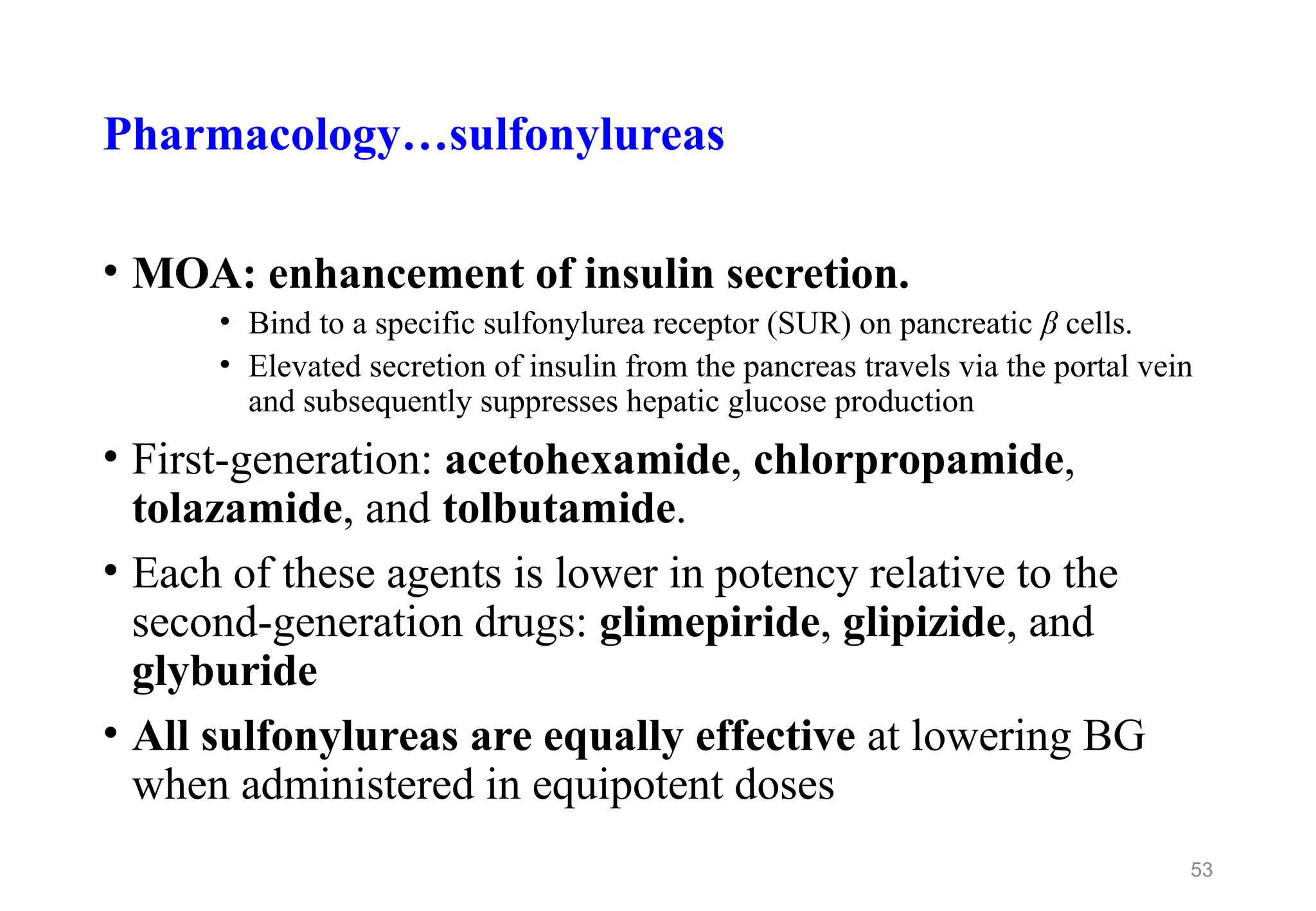
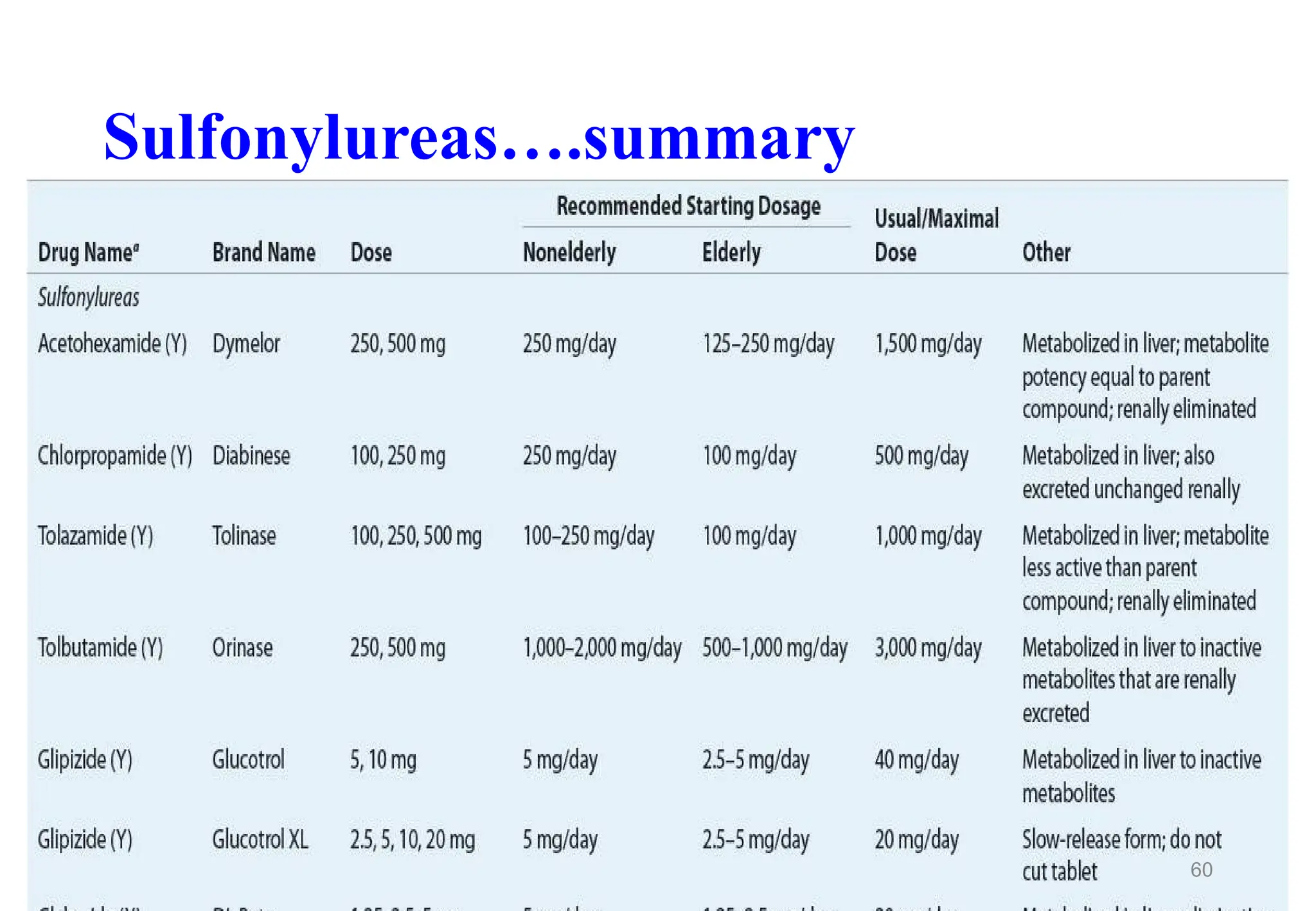
Pharmacology…sulfonylureas
• MOA: enhancementof insulin secretion.
• Bind to a specific sulfonylurea receptor (SUR) on pancreatic β cells.
• Elevated secretion of insulin from the pancreas travels via the portal vein
and subsequently suppresses hepatic glucose production
• First-generation: acetohexamide, chlorpropamide,
tolazamide, and tolbutamide.
• Each of these agents is lower in potency relative to the
second-generation drugs: glimepiride, glipizide, and
glyburide
• All sulfonylureas are equally effective at lowering BG
when administered in equipotent doses
53
54.
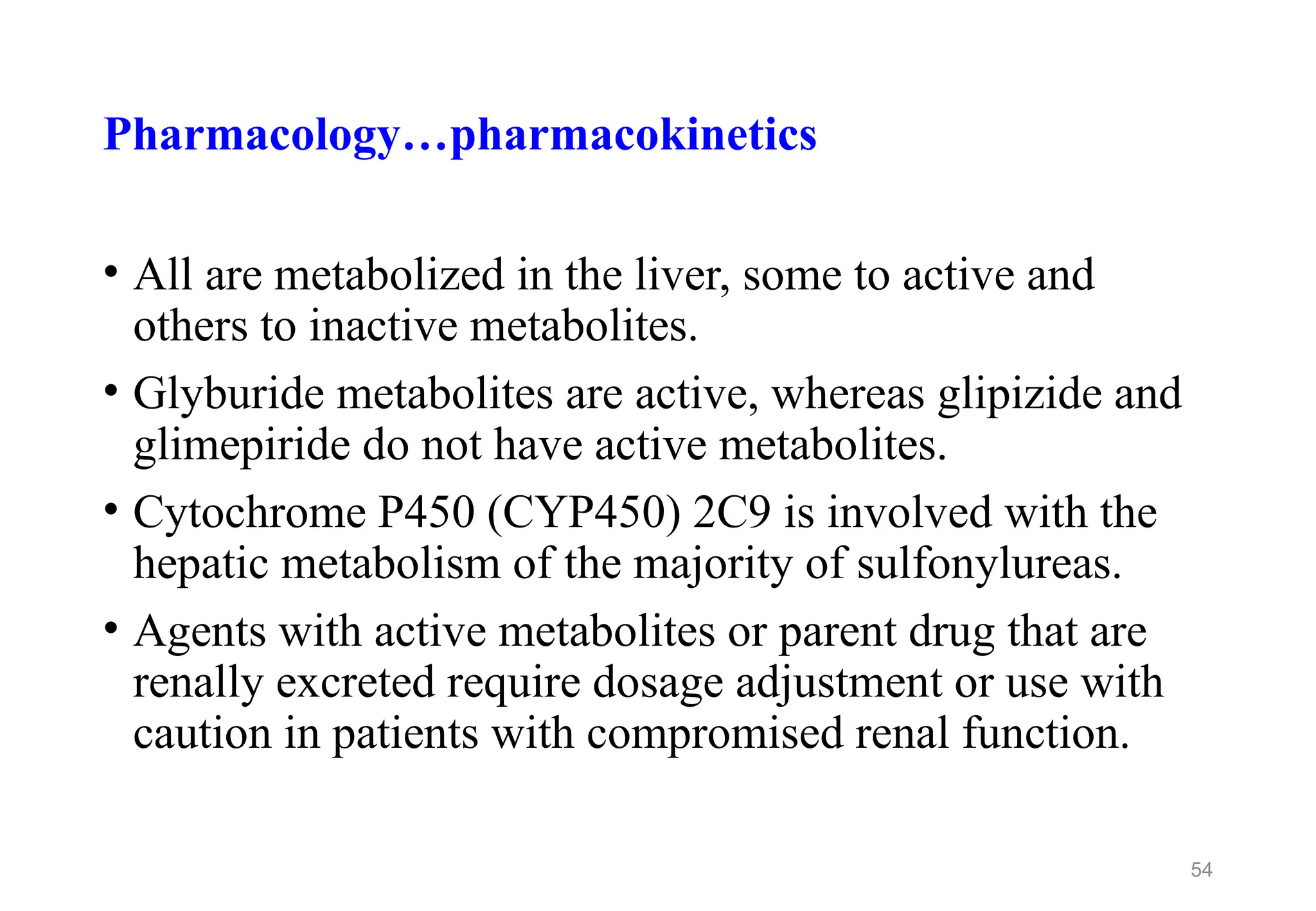
Pharmacology…pharmacokinetics
• All aremetabolized in the liver, some to active and
others to inactive metabolites.
• Glyburide metabolites are active, whereas glipizide and
glimepiride do not have active metabolites.
• Cytochrome P450 (CYP450) 2C9 is involved with the
hepatic metabolism of the majority of sulfonylureas.
• Agents with active metabolites or parent drug that are
renally excreted require dosage adjustment or use with
caution in patients with compromised renal function.
54
55.
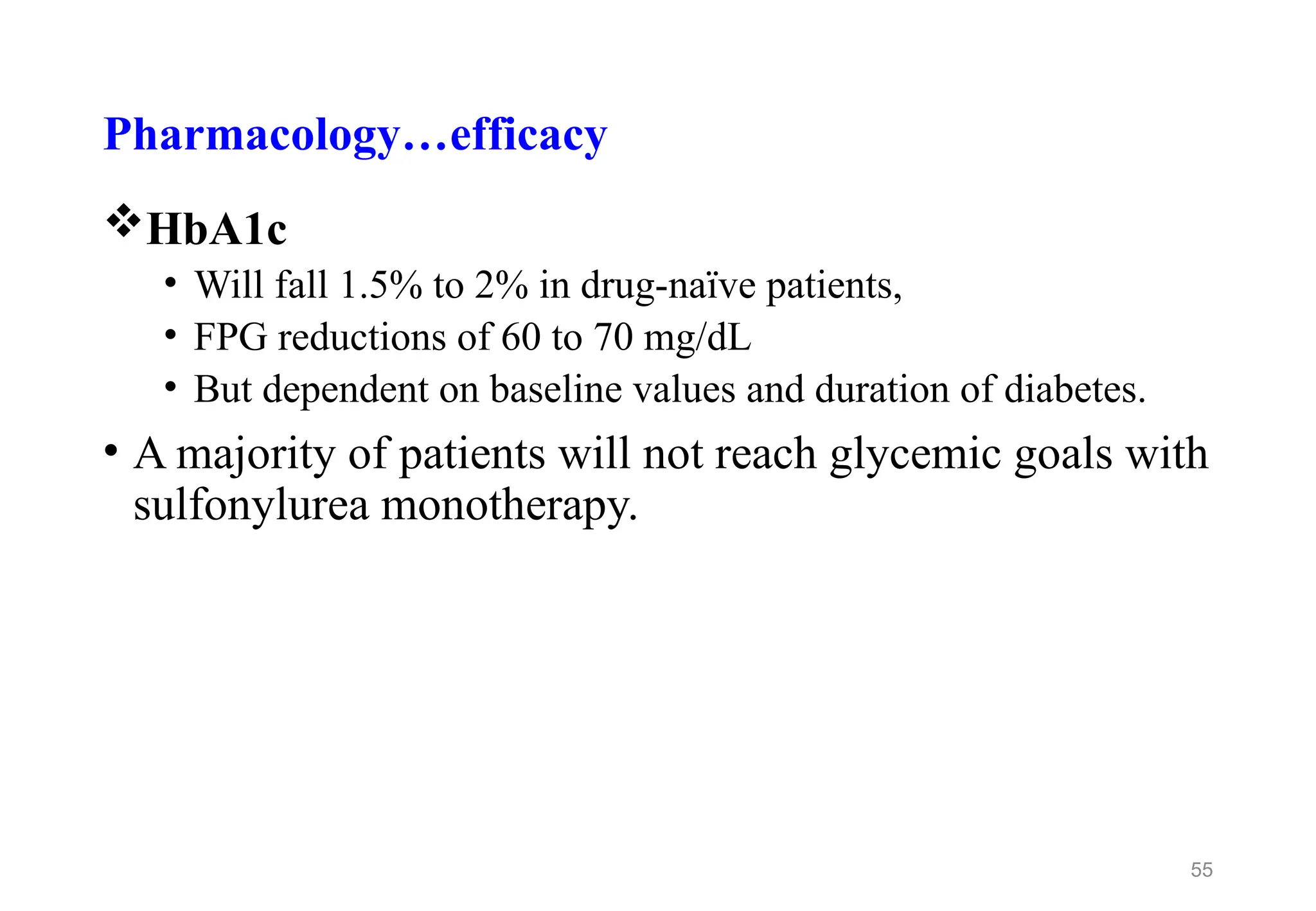
Pharmacology…efficacy
HbA1c
• Will fall1.5% to 2% in drug-naïve patients,
• FPG reductions of 60 to 70 mg/dL
• But dependent on baseline values and duration of diabetes.
• A majority of patients will not reach glycemic goals with
sulfonylurea monotherapy.
55
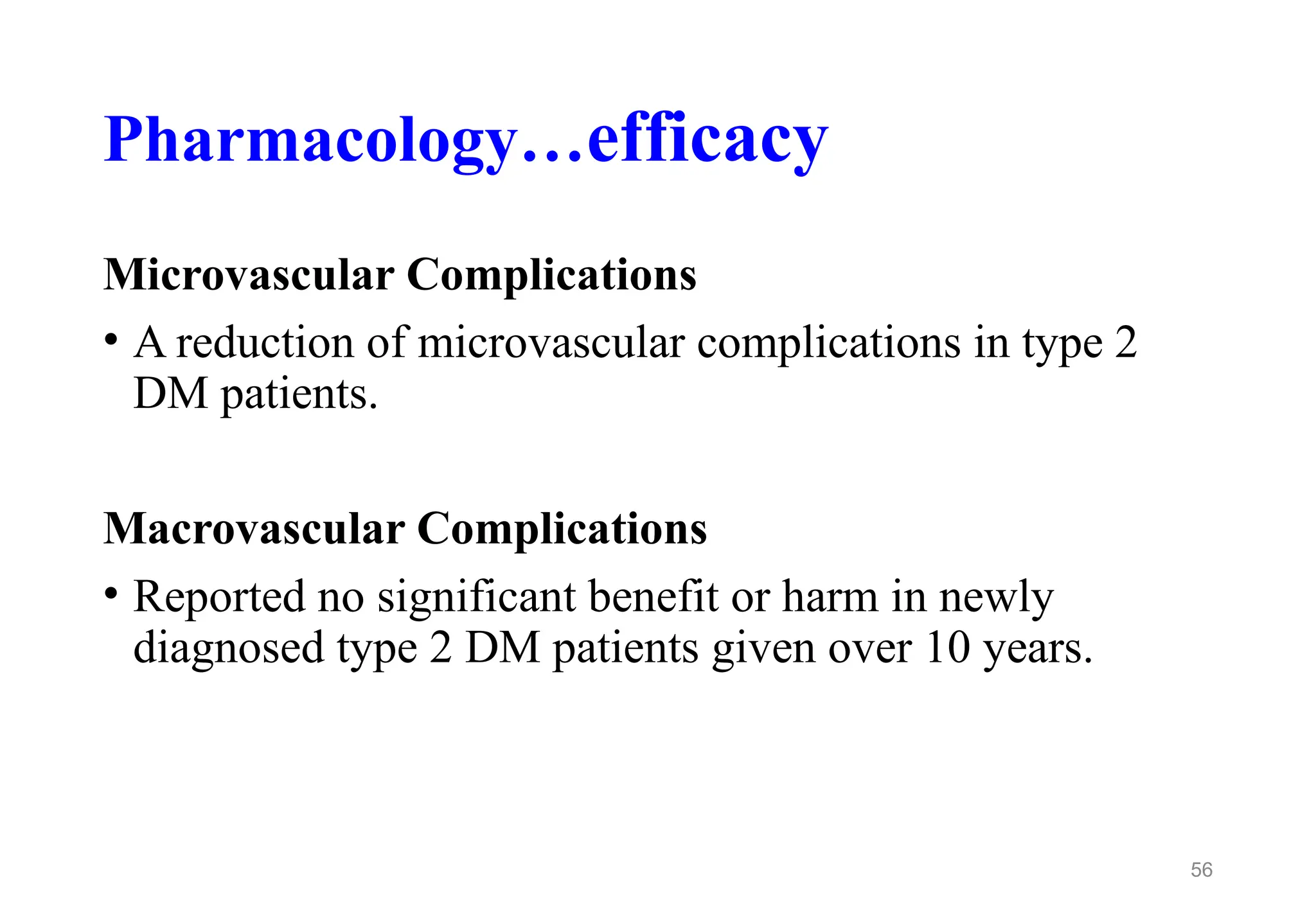
56.
Pharmacology…efficacy
Microvascular Complications
• Areduction of microvascular complications in type 2
DM patients.
Macrovascular Complications
• Reported no significant benefit or harm in newly
diagnosed type 2 DM patients given over 10 years.
56
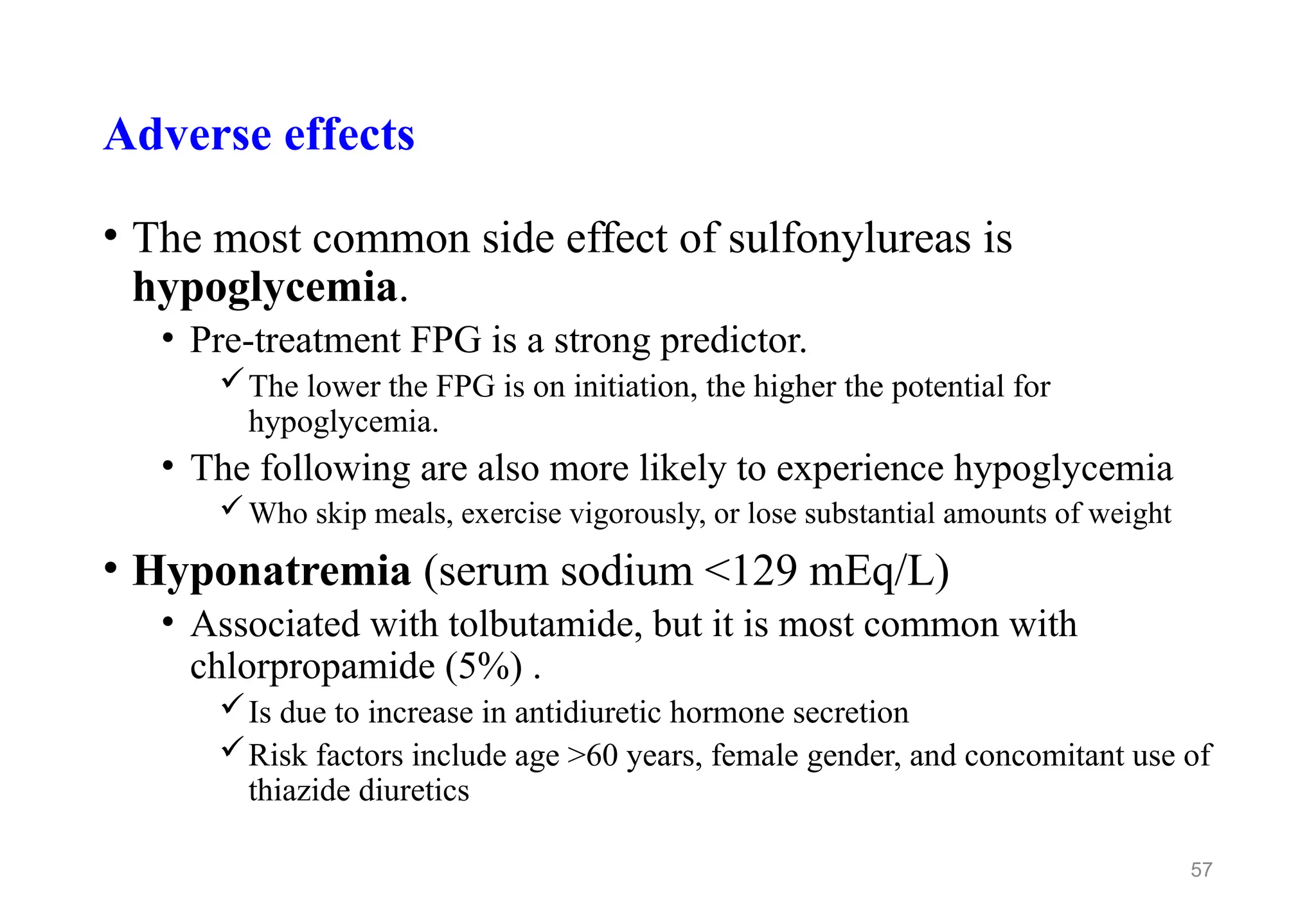
57.
Adverse effects
• Themost common side effect of sulfonylureas is
hypoglycemia.
• Pre-treatment FPG is a strong predictor.
The lower the FPG is on initiation, the higher the potential for
hypoglycemia.
• The following are also more likely to experience hypoglycemia
Who skip meals, exercise vigorously, or lose substantial amounts of weight
• Hyponatremia (serum sodium <129 mEq/L)
• Associated with tolbutamide, but it is most common with
chlorpropamide (5%) .
Is due to increase in antidiuretic hormone secretion
Risk factors include age >60 years, female gender, and concomitant use of
thiazide diuretics
57
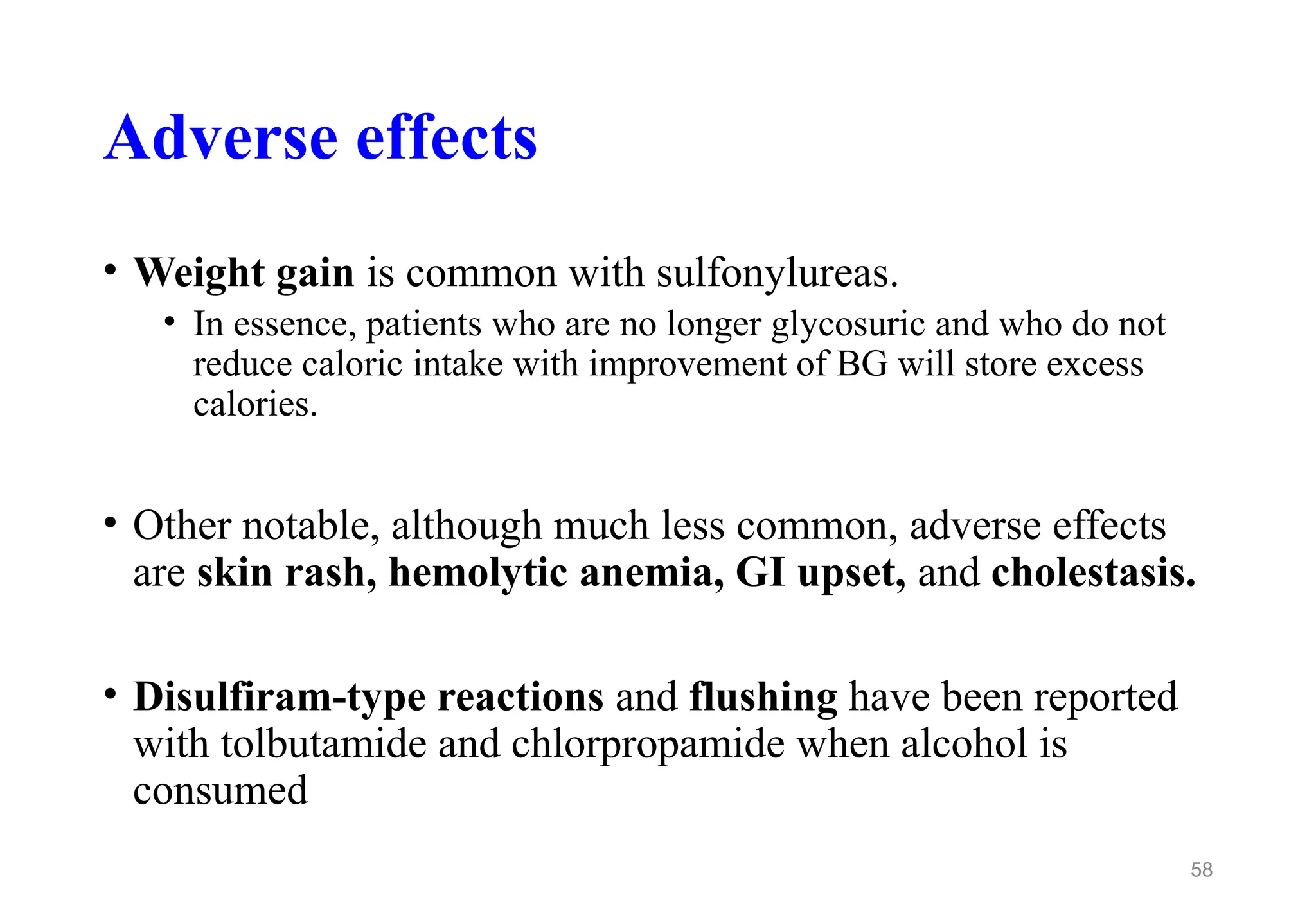
58.
Adverse effects
• Weightgain is common with sulfonylureas.
• In essence, patients who are no longer glycosuric and who do not
reduce caloric intake with improvement of BG will store excess
calories.
• Other notable, although much less common, adverse effects
are skin rash, hemolytic anemia, GI upset, and cholestasis.
• Disulfiram-type reactions and flushing have been reported
with tolbutamide and chlorpropamide when alcohol is
consumed
58
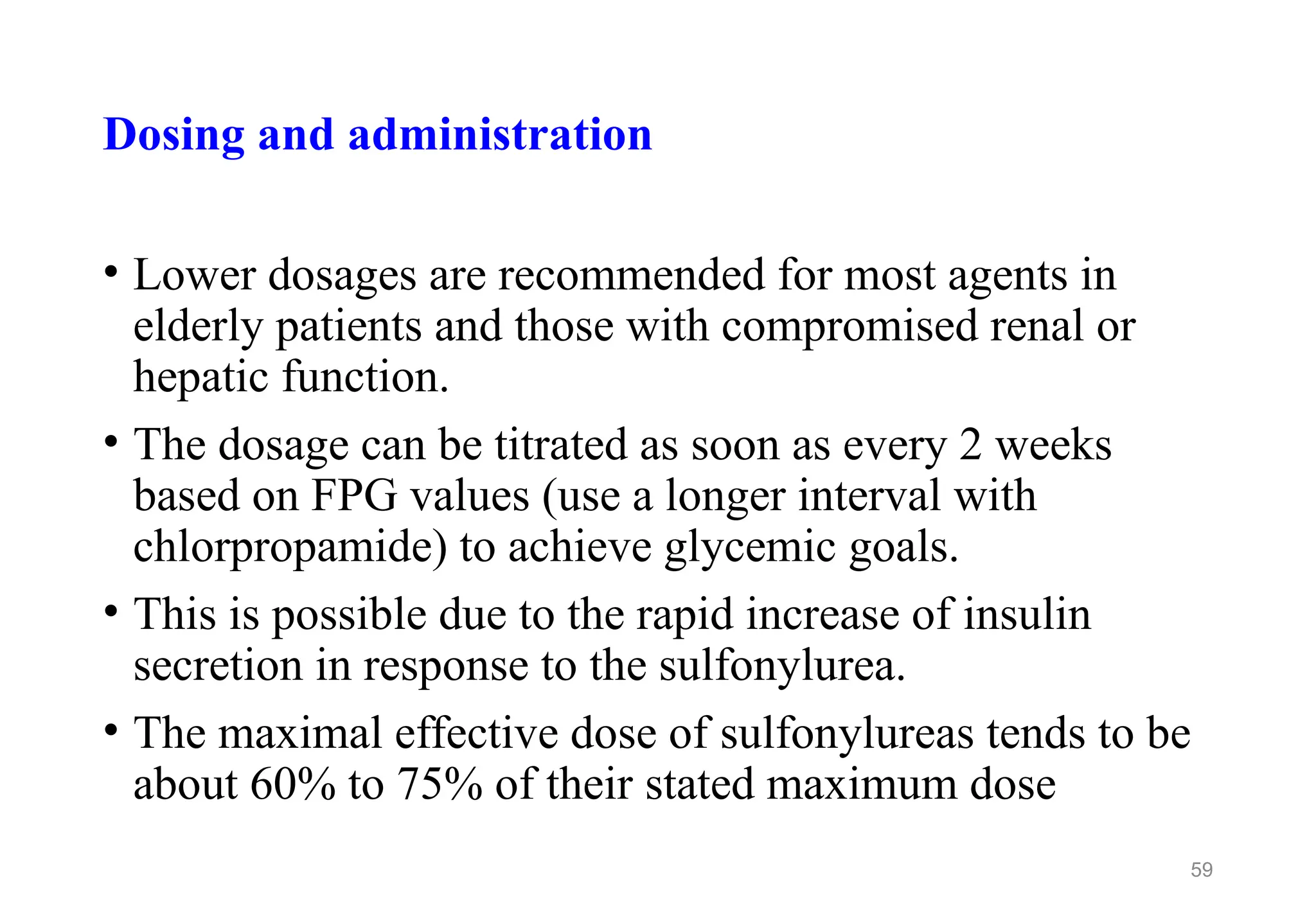
59.
Dosing and administration
•Lower dosages are recommended for most agents in
elderly patients and those with compromised renal or
hepatic function.
• The dosage can be titrated as soon as every 2 weeks
based on FPG values (use a longer interval with
chlorpropamide) to achieve glycemic goals.
• This is possible due to the rapid increase of insulin
secretion in response to the sulfonylurea.
• The maximal effective dose of sulfonylureas tends to be
about 60% to 75% of their stated maximum dose
59
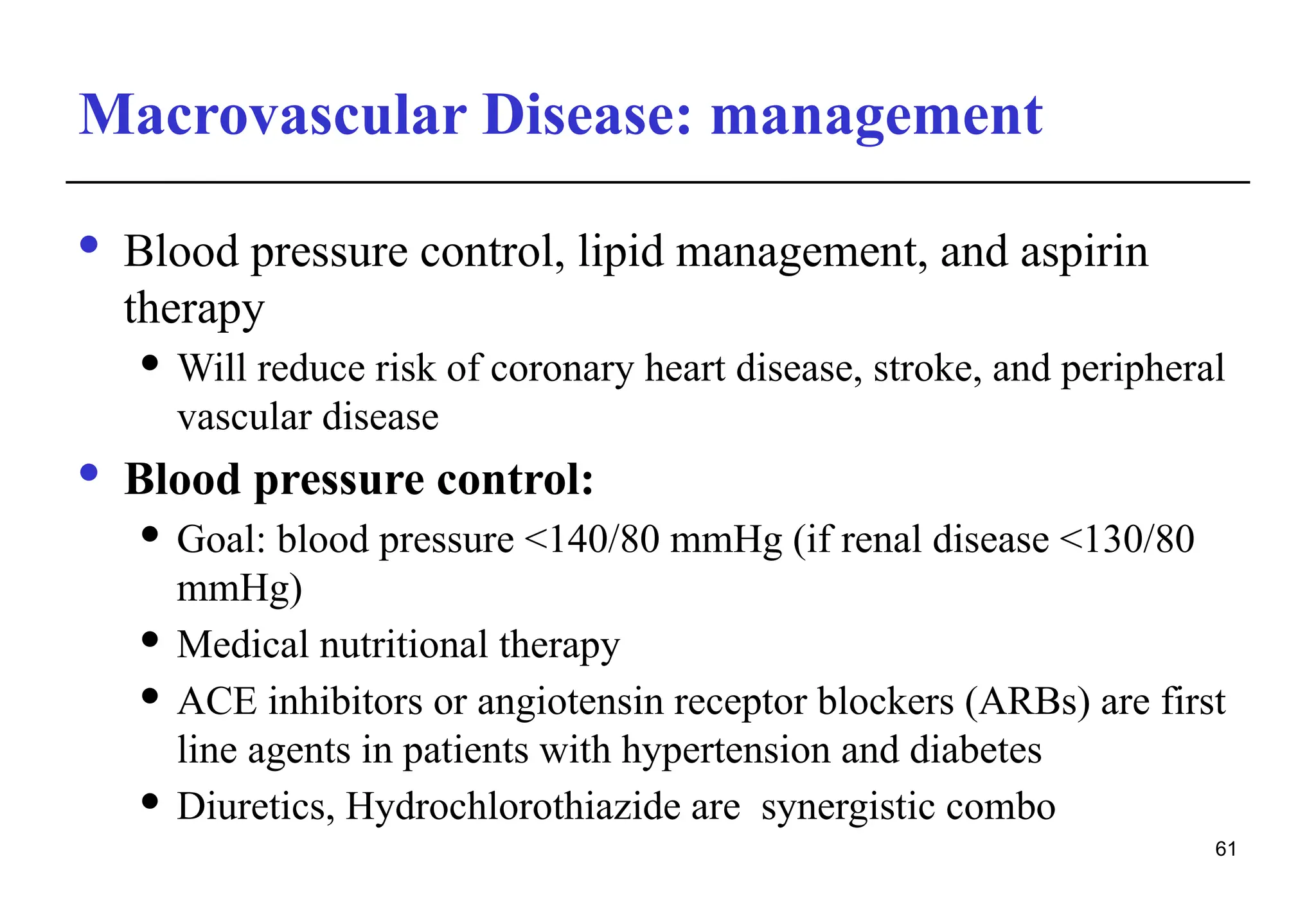
Macrovascular Disease: management
·Blood pressure control, lipid management, and aspirin
therapy
Will reduce risk of coronary heart disease, stroke, and peripheral
vascular disease
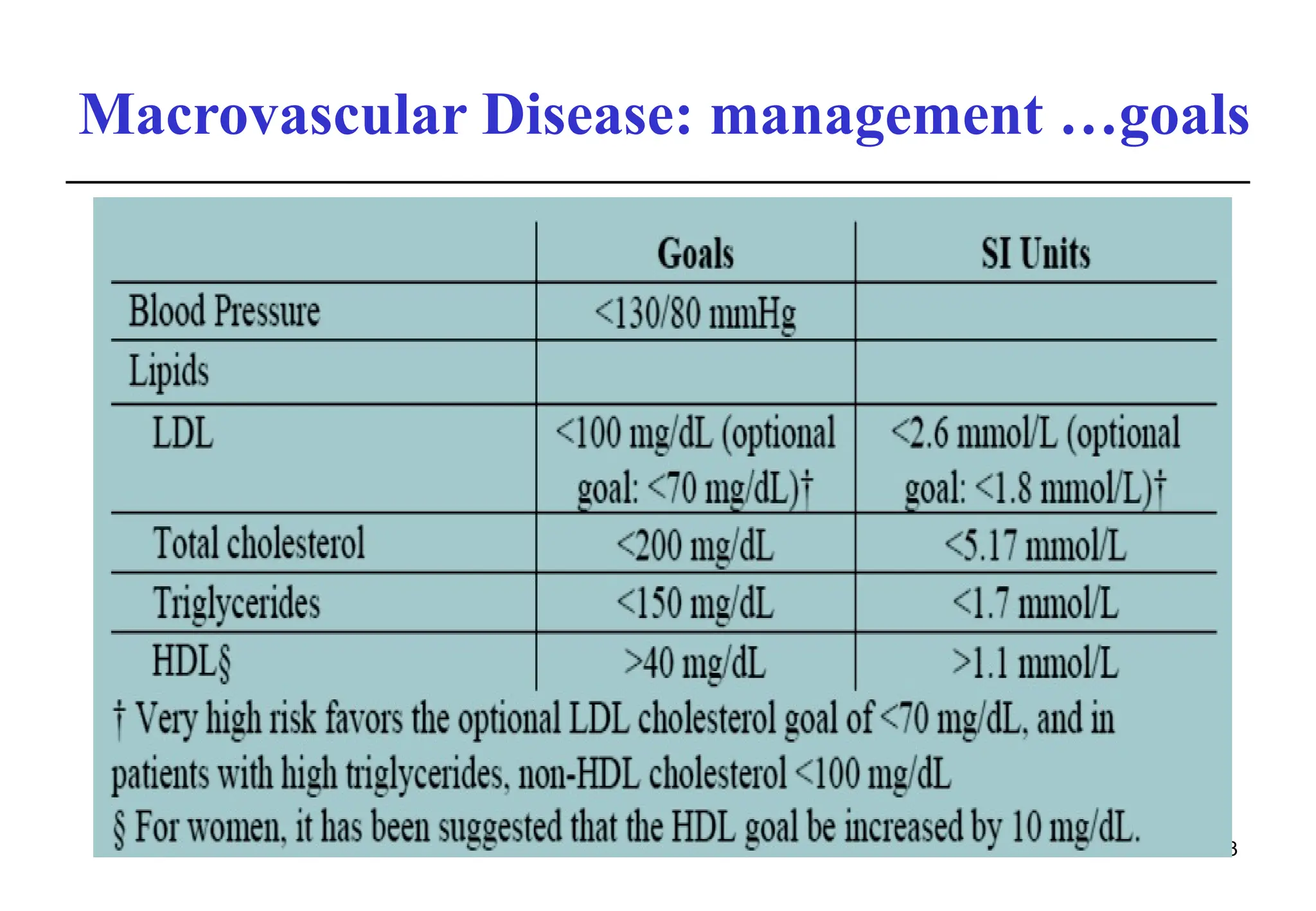
· Blood pressure control:
Goal: blood pressure <140/80 mmHg (if renal disease <130/80
mmHg)
Medical nutritional therapy
ACE inhibitors or angiotensin receptor blockers (ARBs) are first
line agents in patients with hypertension and diabetes
Diuretics, Hydrochlorothiazide are synergistic combo
61
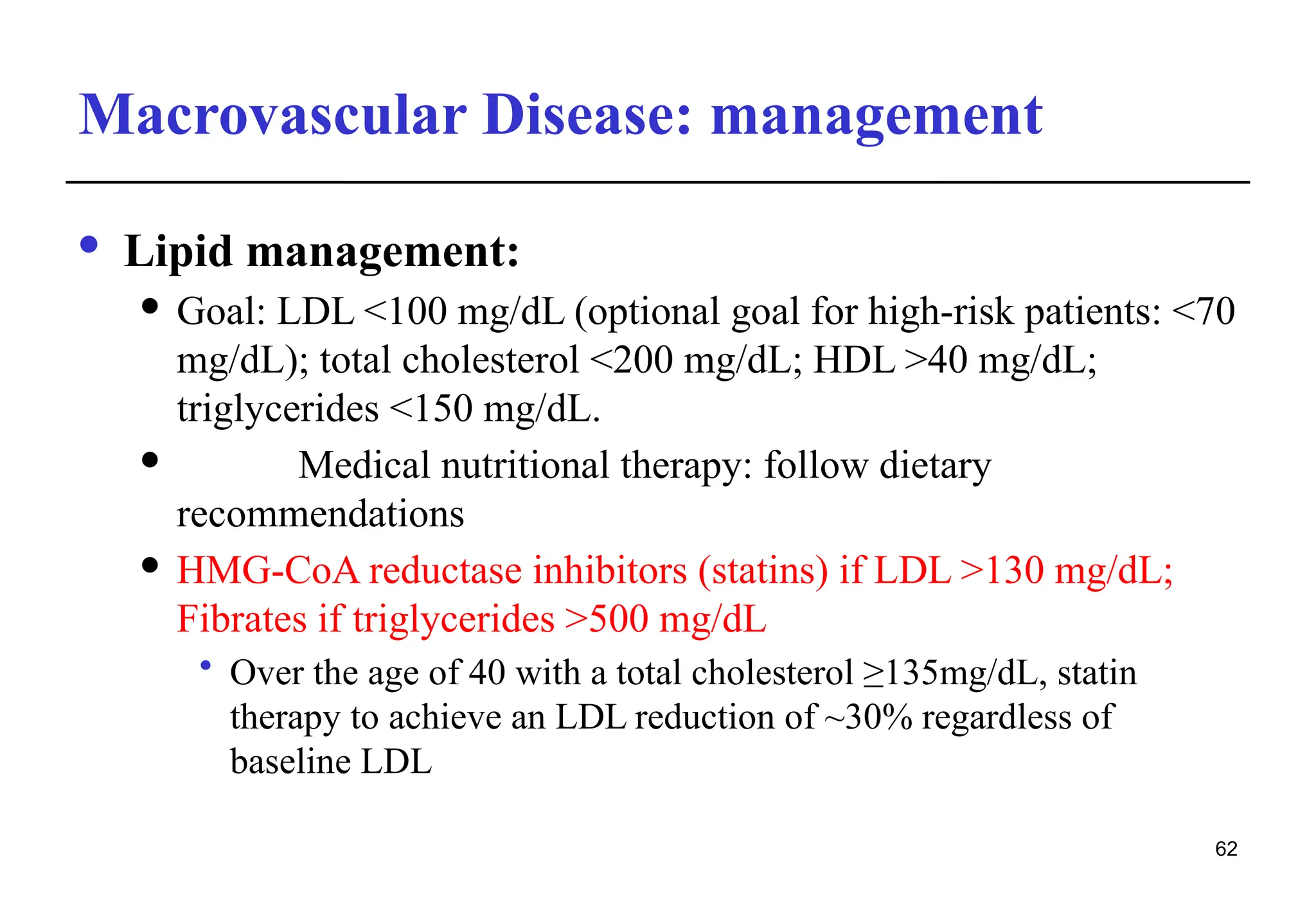
62.
Macrovascular Disease: management
·Lipid management:
Goal: LDL <100 mg/dL (optional goal for high-risk patients: <70
mg/dL); total cholesterol <200 mg/dL; HDL >40 mg/dL;
triglycerides <150 mg/dL.
Medical nutritional therapy: follow dietary
recommendations
HMG-CoA reductase inhibitors (statins) if LDL >130 mg/dL;
Fibrates if triglycerides >500 mg/dL
• Over the age of 40 with a total cholesterol ≥135mg/dL, statin
therapy to achieve an LDL reduction of ~30% regardless of
baseline LDL
62
Micro vascular disease:Management
· Prevention and recognition of retinopathy, neuropathy
and foot care, and nephropathy
Periodically evaluate after a baseline assessment
Optimize glucose and blood pressure control to reduce the risk
and/or slow the progression of nephropathy
Neuropathy is most common complaint and need to be managed
pharmacologically and non- pharmacologically based on severity
Nephropathy is a progressive kidney disease that takes several
years to develop
64
Quiz
1. What isbasal and bolus insulin
2. Write steps of DKA management
3. What are prevention mechanism of DKA
4. Write types of micro & macro vascular complication
5. Metformin reduce the risk of total mortality T/F.
66
Editor's Notes
#25 Basal insulin is the background insulin your body needs to maintain normal blood glucose levels throughout the day and night, even when you're not eating. It mimics the low, steady amount of insulin released by a healthy pancreas.
Bolus insulin is like the big burst your body needs to handle meals and snacks. It's the rapid-acting insulin taken to manage the rise in blood glucose that happens right after you eat
#43 Metformin is the only biguanide available in the United States.
It has been used clinically for more than 50 years, and has been approved in the United States since 1995.
All the mechanisms of how metformin accomplishes glucose reduction are still being investigated, although adenosine 5′-monophosphate–activated protein kinase activity, tyrosine kinase activity enhancement, increased adenosine 5′-monophosphate, and partial inhibition of the mitochondrial respiratory chain are involved.
#44 Red blood cells are a second compartment of distribution for metformin, delivering an effective half-life of 17 hours.
#45 The sulfonylureas’ ability to stimulate insulin release from β cells at extremely high glucose levels is often impaired, a concept commonly referred to as glucose toxicity.
Metformin reduces levels of PAI-1 and causes a modest reduction in weight (2 to 3 kg).
In preliminary findings, metformin may also lower the risk of pancreatic, colon, and breast cancer in type 2 DM patients.
Metformin, potentially through multiple mechanisms including adenosine 5′-monophosphate–activated protein kinase activity, may act as a growth inhibitor in some cancers and help to kill cancer “stem cells” which are resistant to chemotherapy, and liver kinase B1, which is an upstream kinase of adenosine 5′-monophosphate–activated protein kinase.
More controlled studies are needed.
#46 Metformin (n = 342) was compared with intensive glucose control with insulin or sulfonylureas in the UKPDS. No significant differences were seen between therapies with regard to reducing microvascular complications, but the power of the study is questionable.
MIs versus the conventional treatment arm of the UKPDS.
It should be noted that the UKPDS had very few people on lipid-lowering therapy, anti-hypertensives, or aspirin.
#48 Lactic acidosis
Metformin partially blocks the mitochondrial respiratory chain.
#53 Binding closes an adenosine triphosphate–dependent K+ channel, leading to decreased potassium efflux and subsequent depolarization of the membrane.
Voltage-dependent Ca 2+ channels open and allow an inward flux of Ca2+.
Increases in intracellular Ca2+ bind to calmodulin on insulin secretory granules, causing translocation of secretory granules of insulin to the cell surface and resultant exocytosis of the granule of insulin.
#56 The University Group Diabetes Program study documented higher rates of coronary artery disease in type 2 patients given tolbutamide, when compared with patients given insulin or placebo, although this study has been widely criticized
Some sulfonylureas bind to the SUR-2A receptor that is found in cardiac tissue.
Binding to the SUR-2A receptor has been implicated in blocking ischemic preconditioning via K+ channel closure in the heart.
Ischemic preconditioning is the premise that prior ischemia in cardiac tissue can provide greater tolerance of subsequent ischemia.
Thus, patients with heart disease potentially have one compensatory mechanism to protect the heart from ischemia blocked.
Conclusions are controversial, but alternative treatments are available if questioned.
#59 Of note, immediate-release glipizide’s maximal dose is 40 mg/day, but its maximal effective dose is about 10 to 15 mg/day.
![The pancreas
2
The pancreas is composed of two major types of tissues;
1. Acini (80%), secrete digestive juices into the duodenum
2. Islets of Langerhans (2%), secrete insulin and glucagon
directly into the blood.
• These are crucial for normal regulation of
glucose, lipid, and protein metabolism
• Islets contain three major types of cells, alpha, beta, and
delta cells
Pancreas also secretes other hormones with unknown functions
[Amylin, somatostatin, and pancreatic polypeptide]](https://image.slidesharecdn.com/diabetesmellitus-251129112417-77c1776d/75/Diabetes-Mellitusxdcfgvcfgvh-fgh-hj-pptx-2-2048.jpg)
![Treatment: General
19
Glycemic control is fundamental to the diabetes
management!!!
Goals of Therapy
⚫Short-term Goals
Establish and maintain optimum glycemic control
No severe or nocturnal hypoglycemia episodes
Control symptoms of polydipsia, polyphagia, and
polyuria
Keeping patients free of urine ketones
Achieve optimal control of co-morbidities [hypertension
and
dyslipidemia]](https://image.slidesharecdn.com/diabetesmellitus-251129112417-77c1776d/75/Diabetes-Mellitusxdcfgvcfgvh-fgh-hj-pptx-19-2048.jpg)