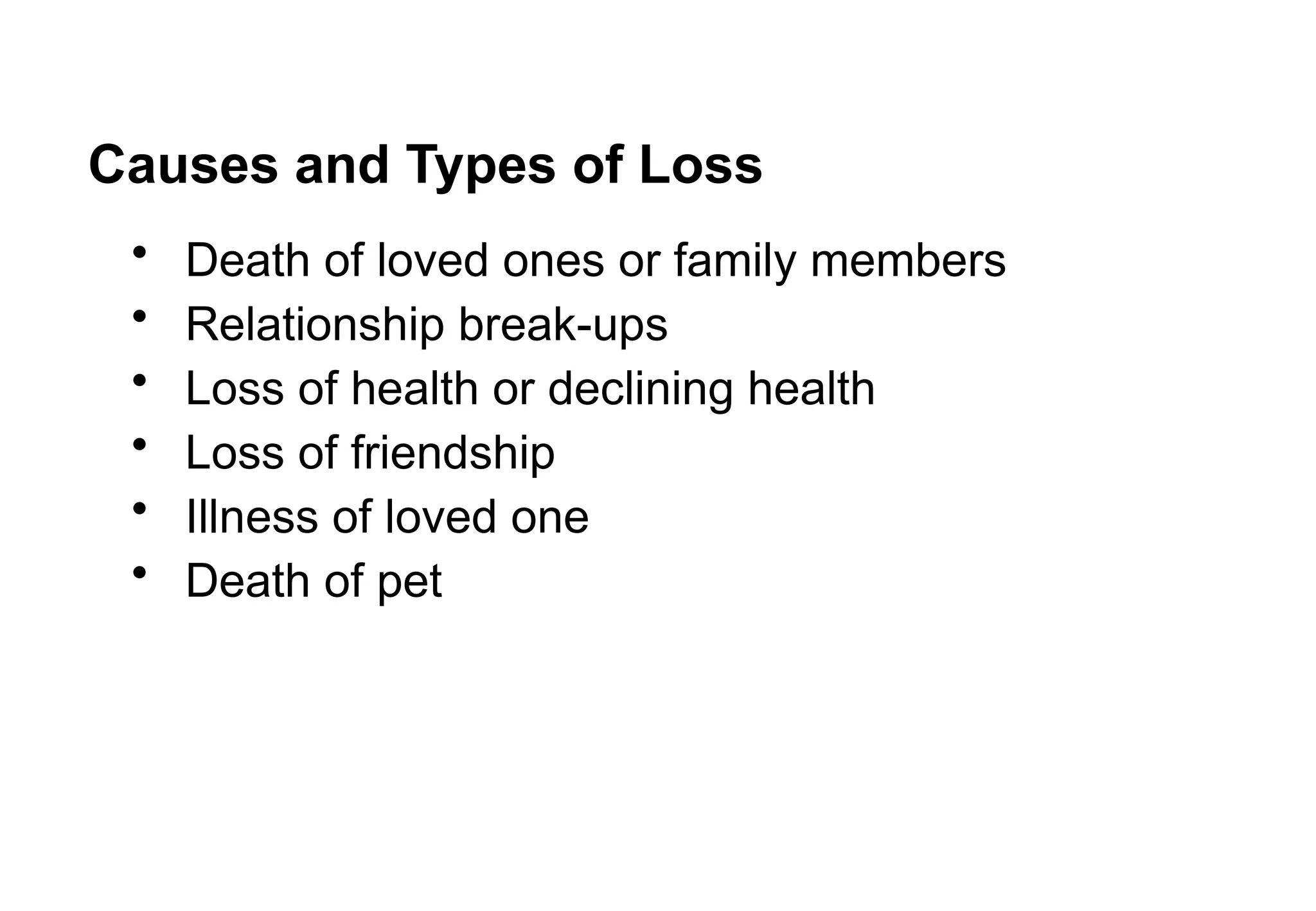
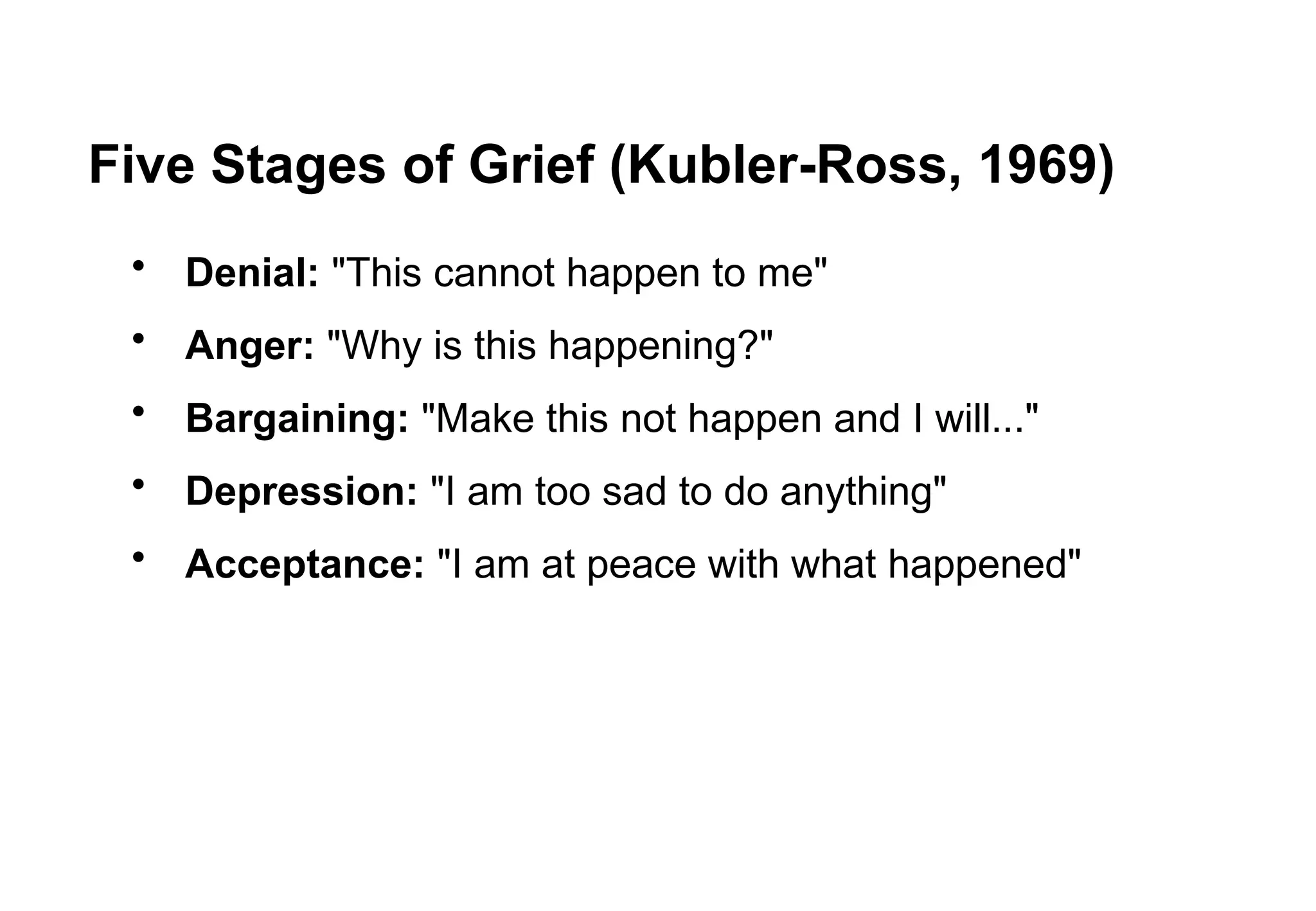
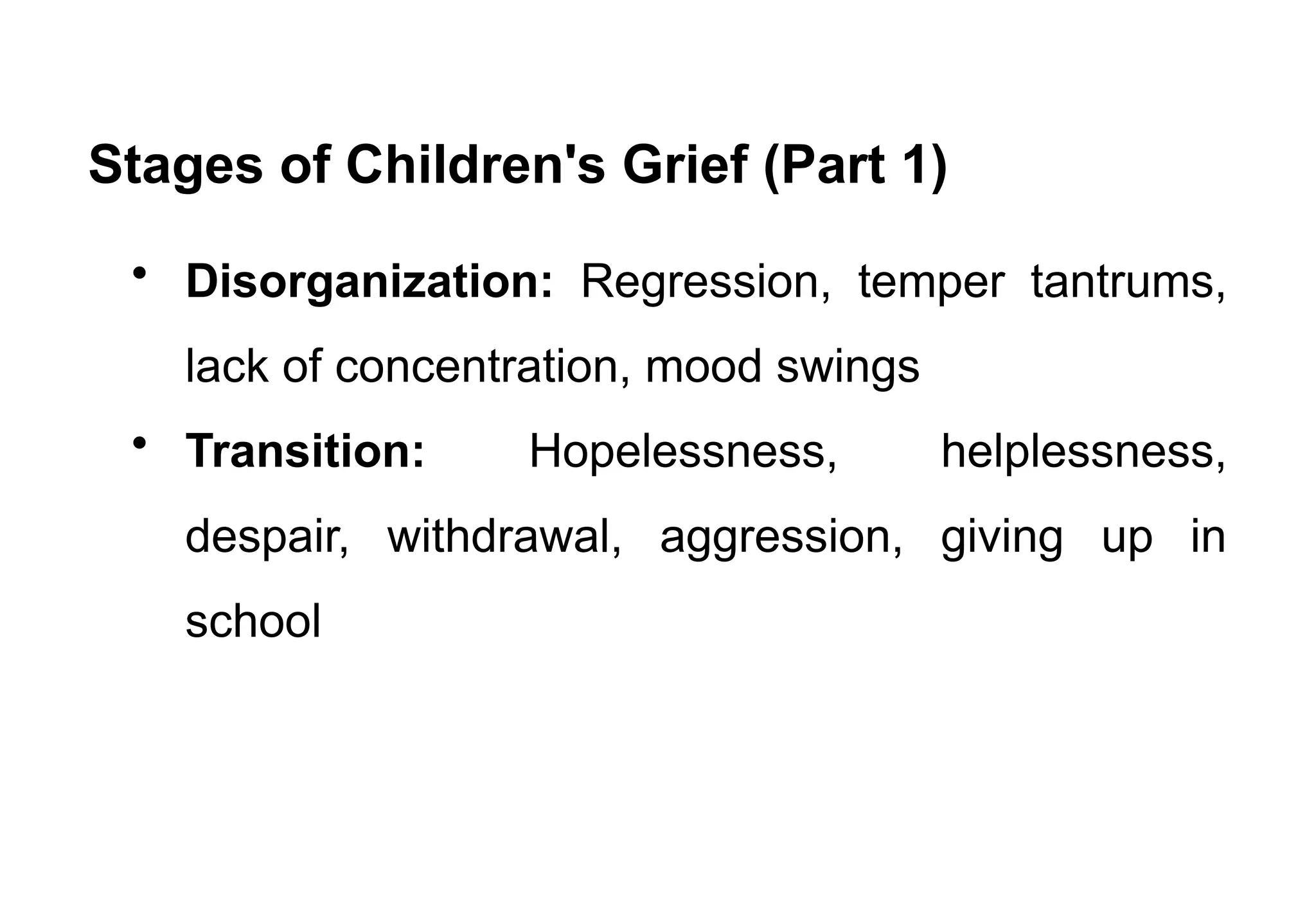
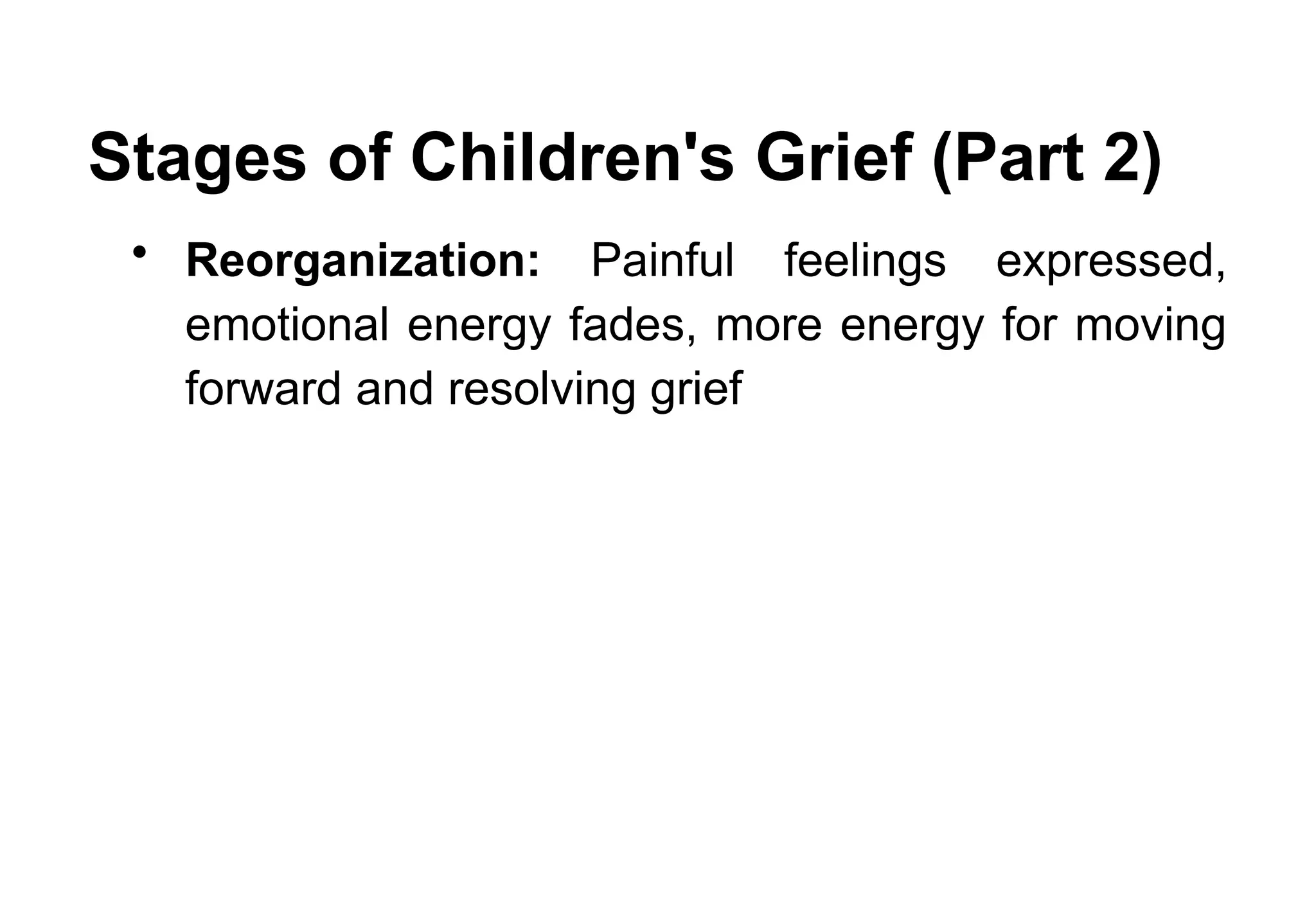
Grief is the normal emotional, physical, cognitive, and social response to any significant loss, particularly the death of a loved one, while bereavement refers to the period or state following such a loss during which grief and mourning occur.
Grief Definition
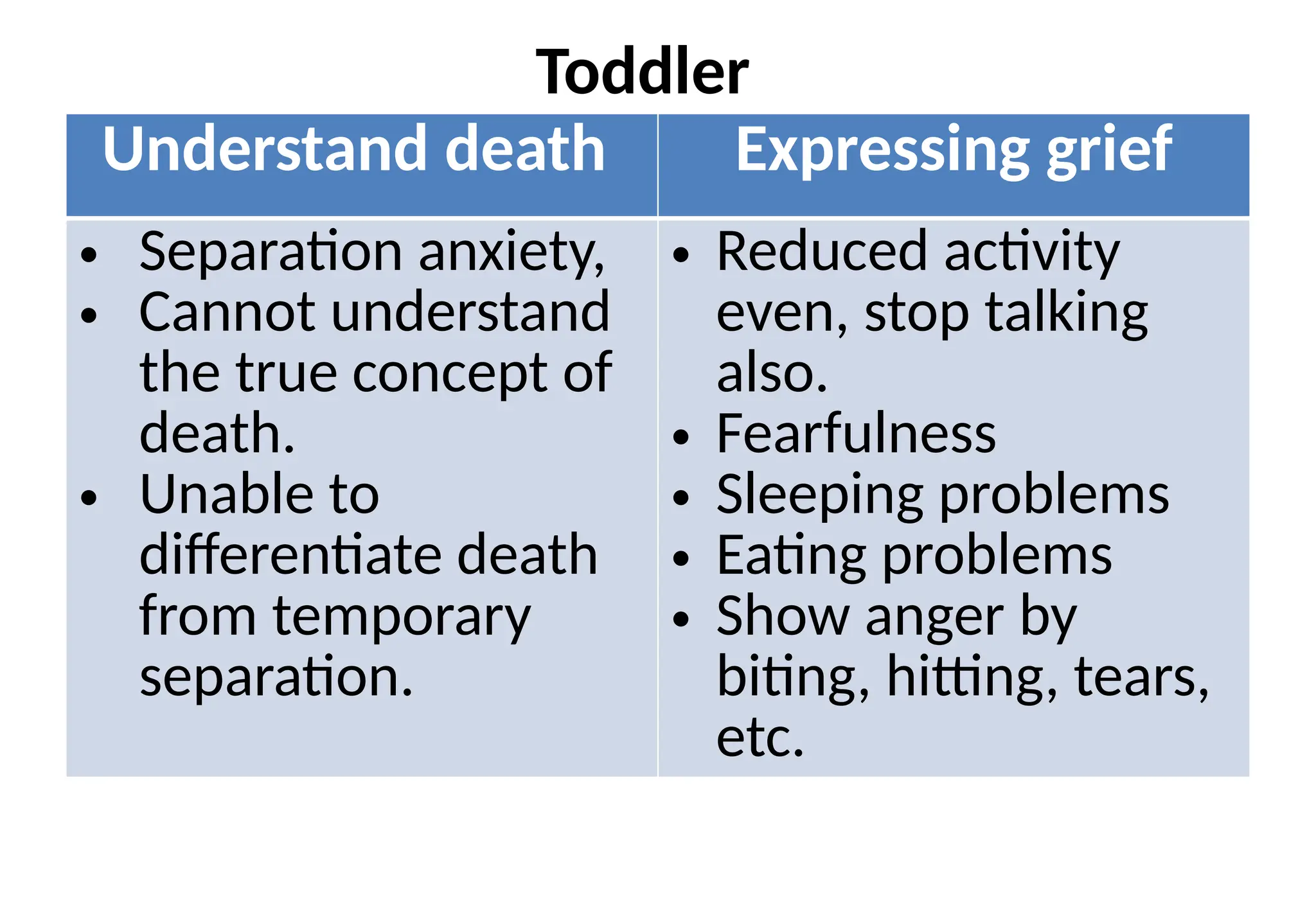
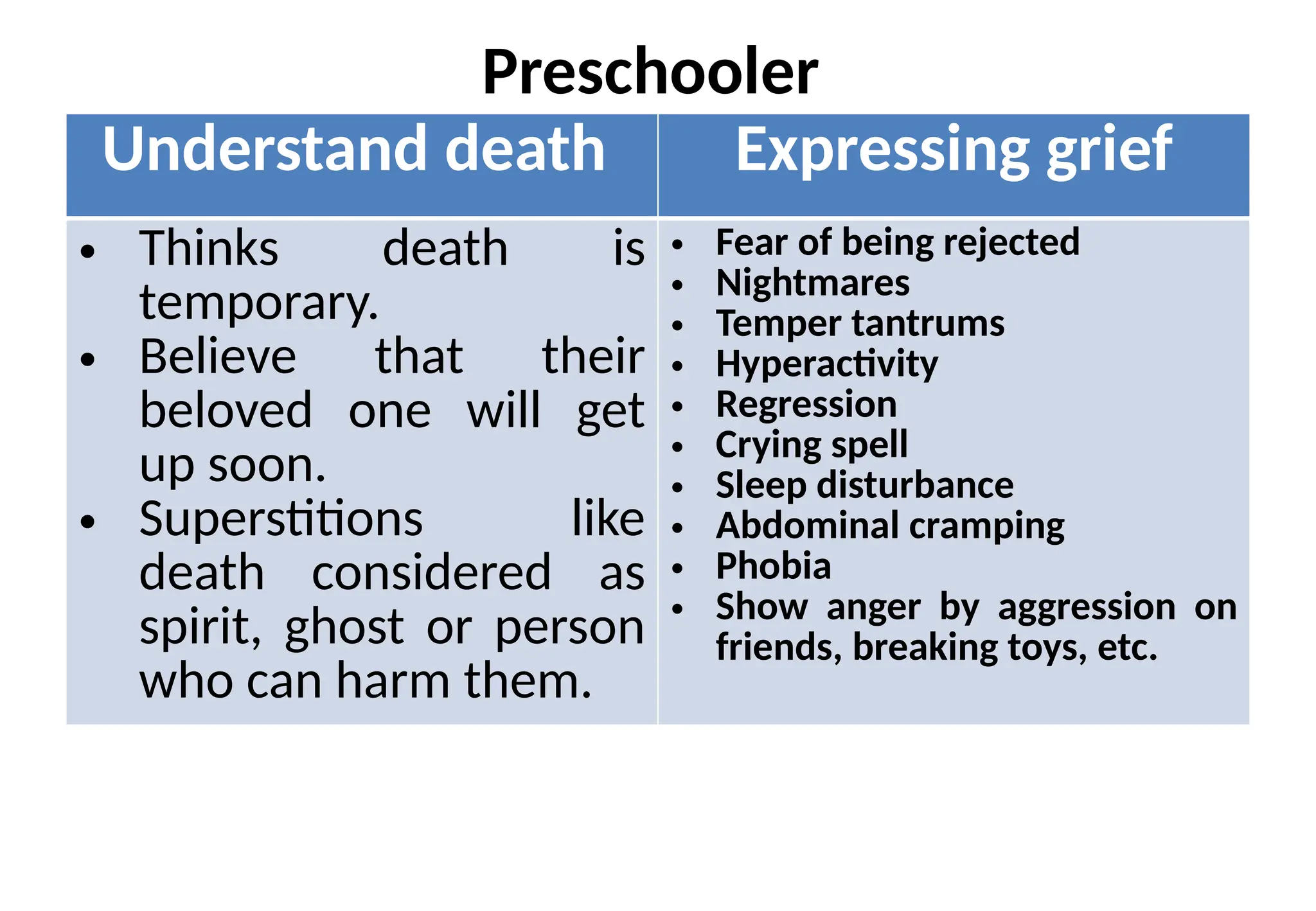
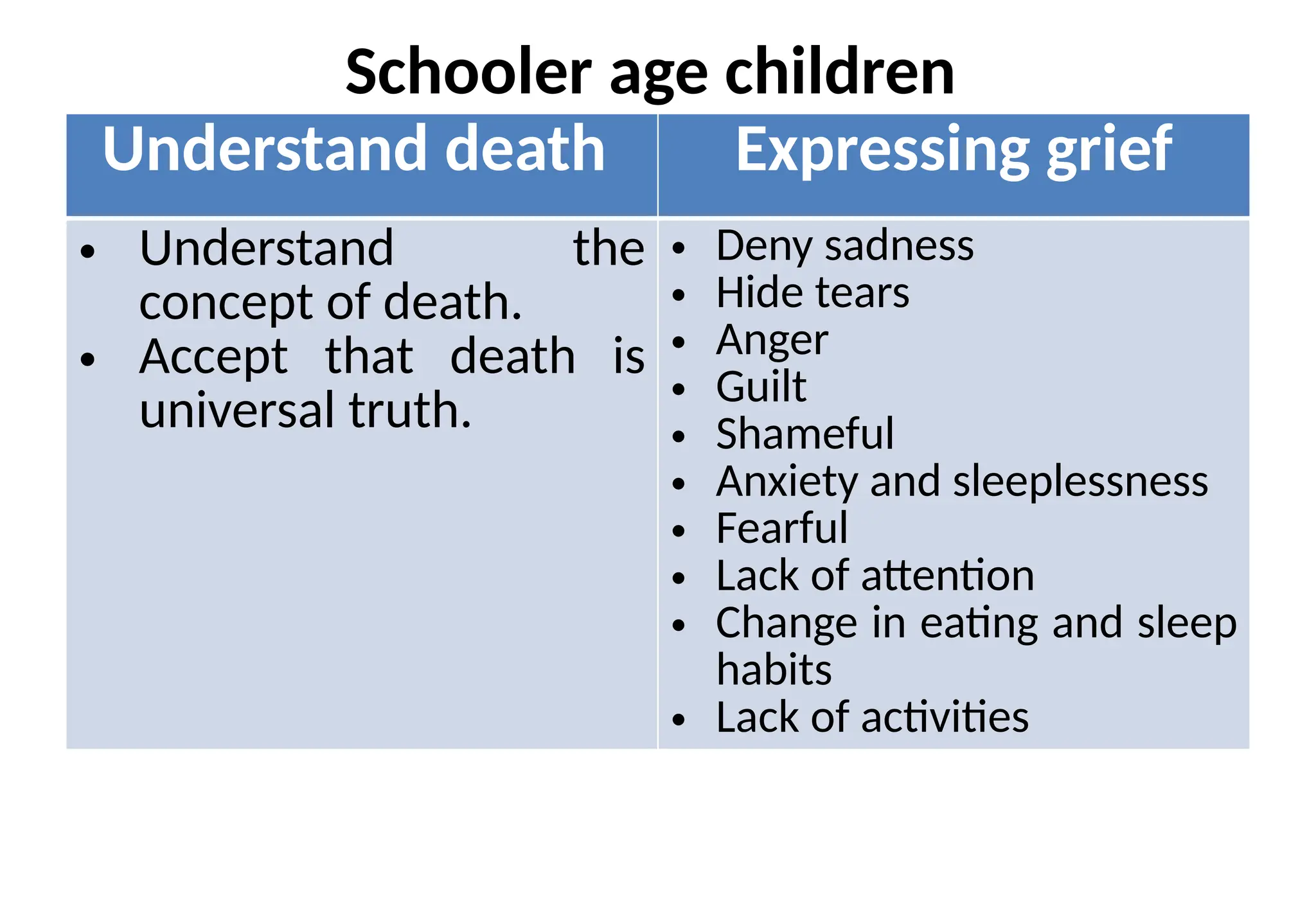
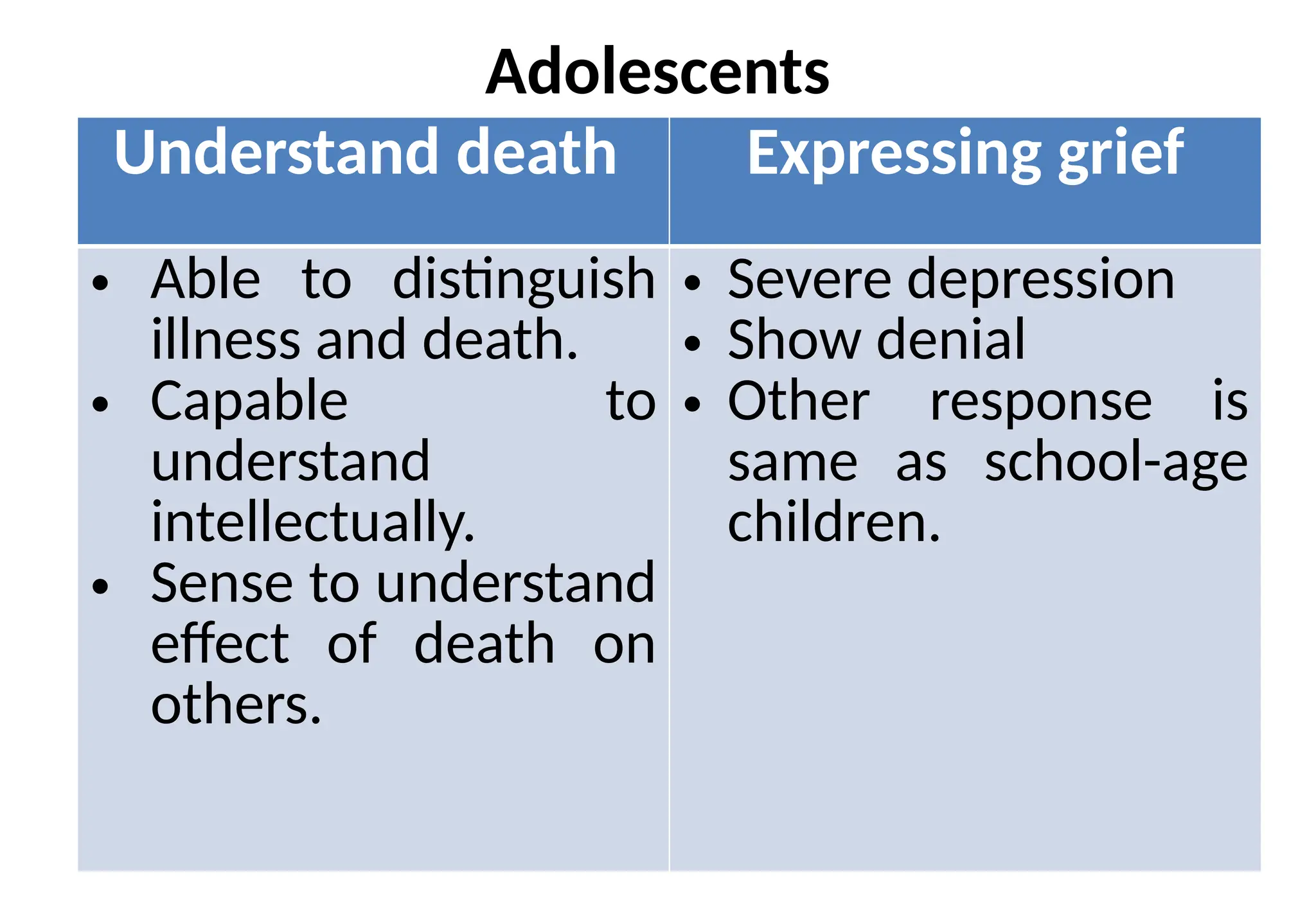
Grief represents an internal reaction to loss, manifesting as intense sadness, anger, guilt, numbness, yearning, confusion, sleep or appetite changes, fatigue, and physical symptoms like chest tightness or headaches.
It is a dynamic process that evolves over time, allowing individuals to integrate the loss into their lives while maintaining emotional bonds with the deceased.
Bereavement Definition
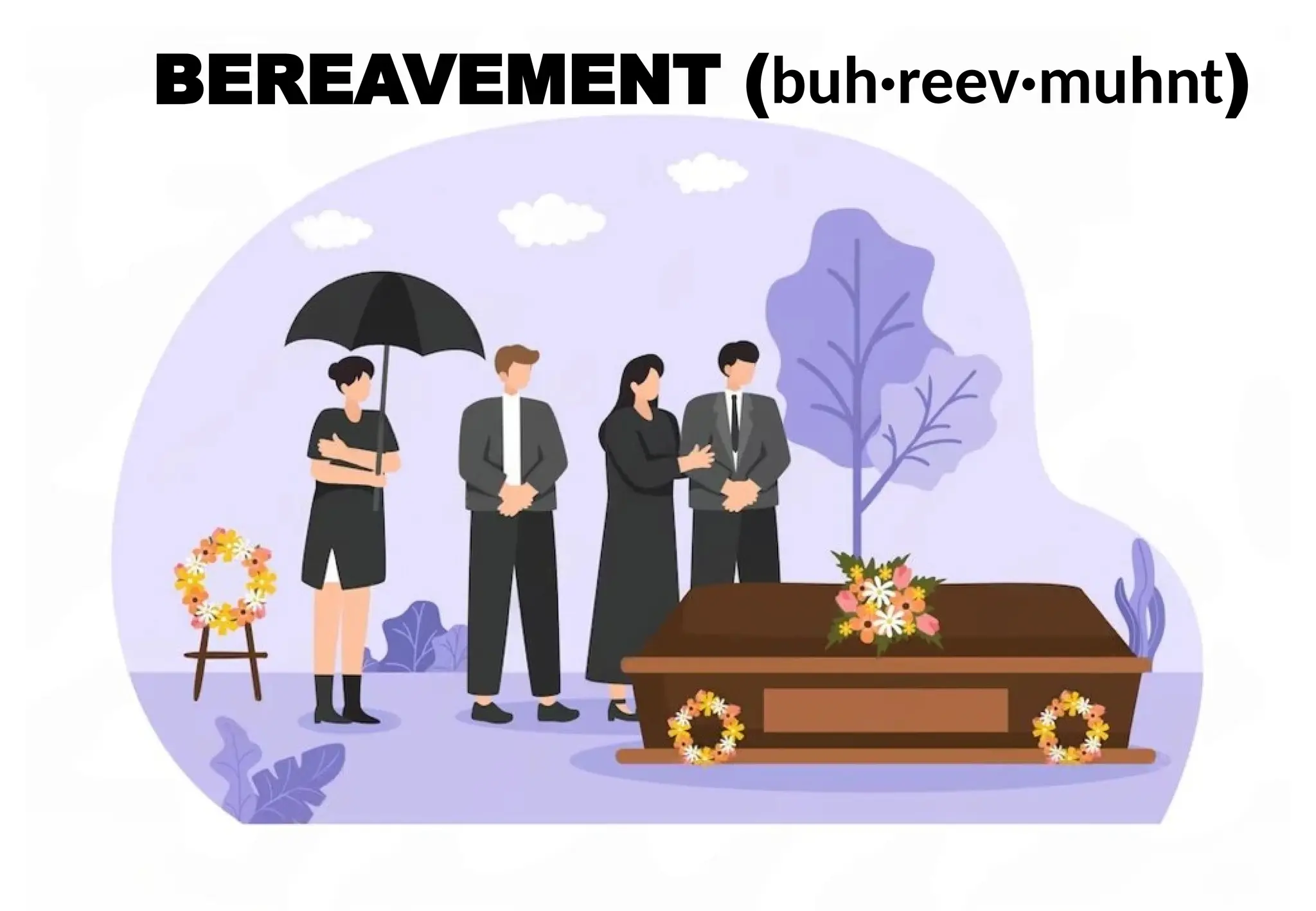
Bereavement is the timeframe after a death when a person experiences grief and engages in mourning, varying in duration based on the relationship, circumstances, and cultural factors.
Common experiences include shock, denial, preoccupation with the deceased, and grief bursts triggered by reminders like anniversaries.
Key Differences
Term Core Meaning Focus
Grief Internal emotional/psychological response to loss Reaction/feelings
Bereavement Period after loss involving grief and mourning State/timeframe
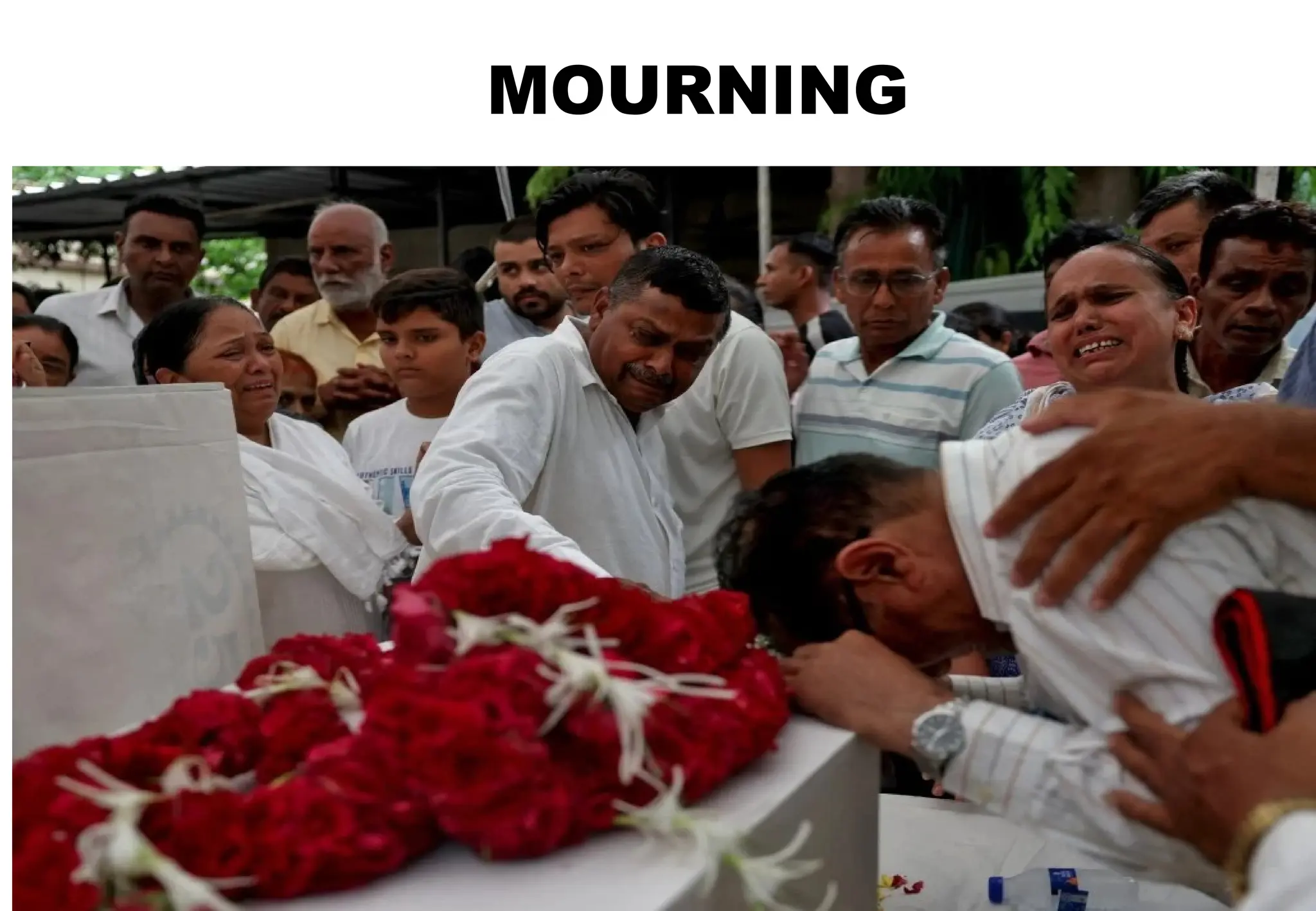
Mourning External, cultural expressions of grief (rituals) Public display
Normal vs. Complicated Grief
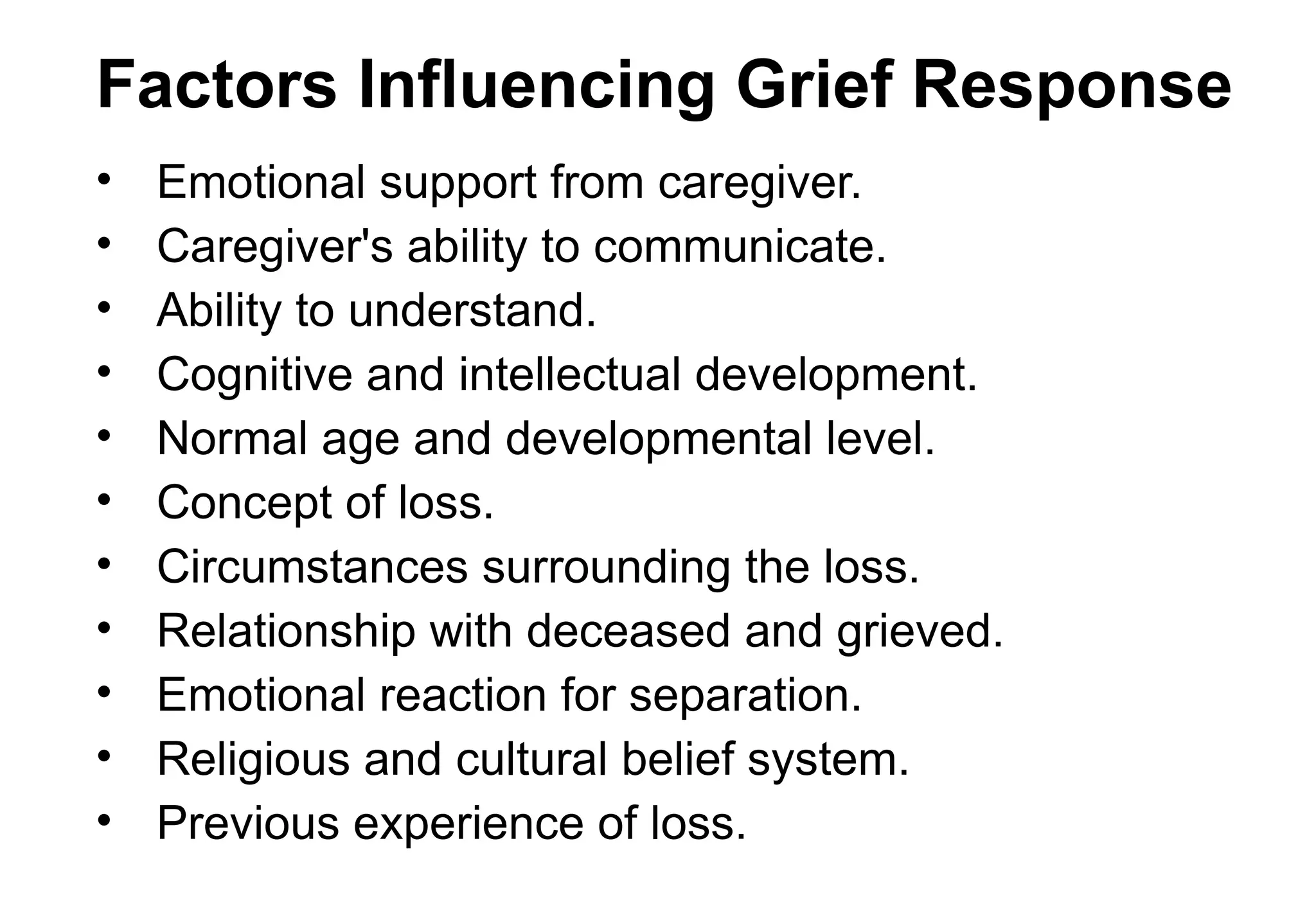
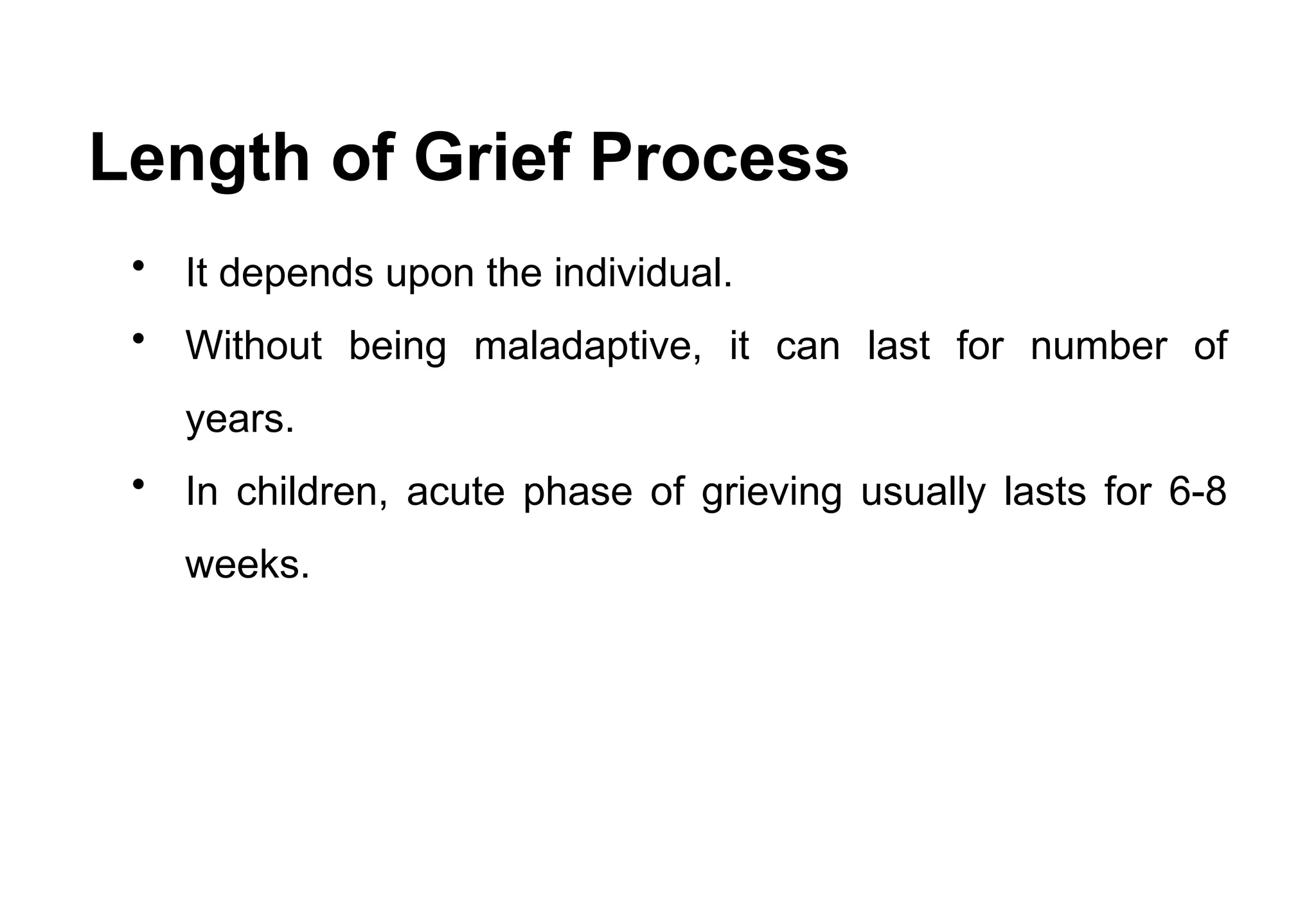
Most grief resolves adaptively within months to a year, enabling restored functioning despite lingering sadness.
Complicated or prolonged grief affects about 10-15% of cases, featuring persistent intense longing, avoidance of reminders, and impaired daily life, often requiring therapy.
Nursing Perspective
In clinical settings, validate grief as normal, provide empathetic listening, respect cultural rituals, and monitor for red flags like suicidal thoughts or self-neglect signaling need for mental health referral.