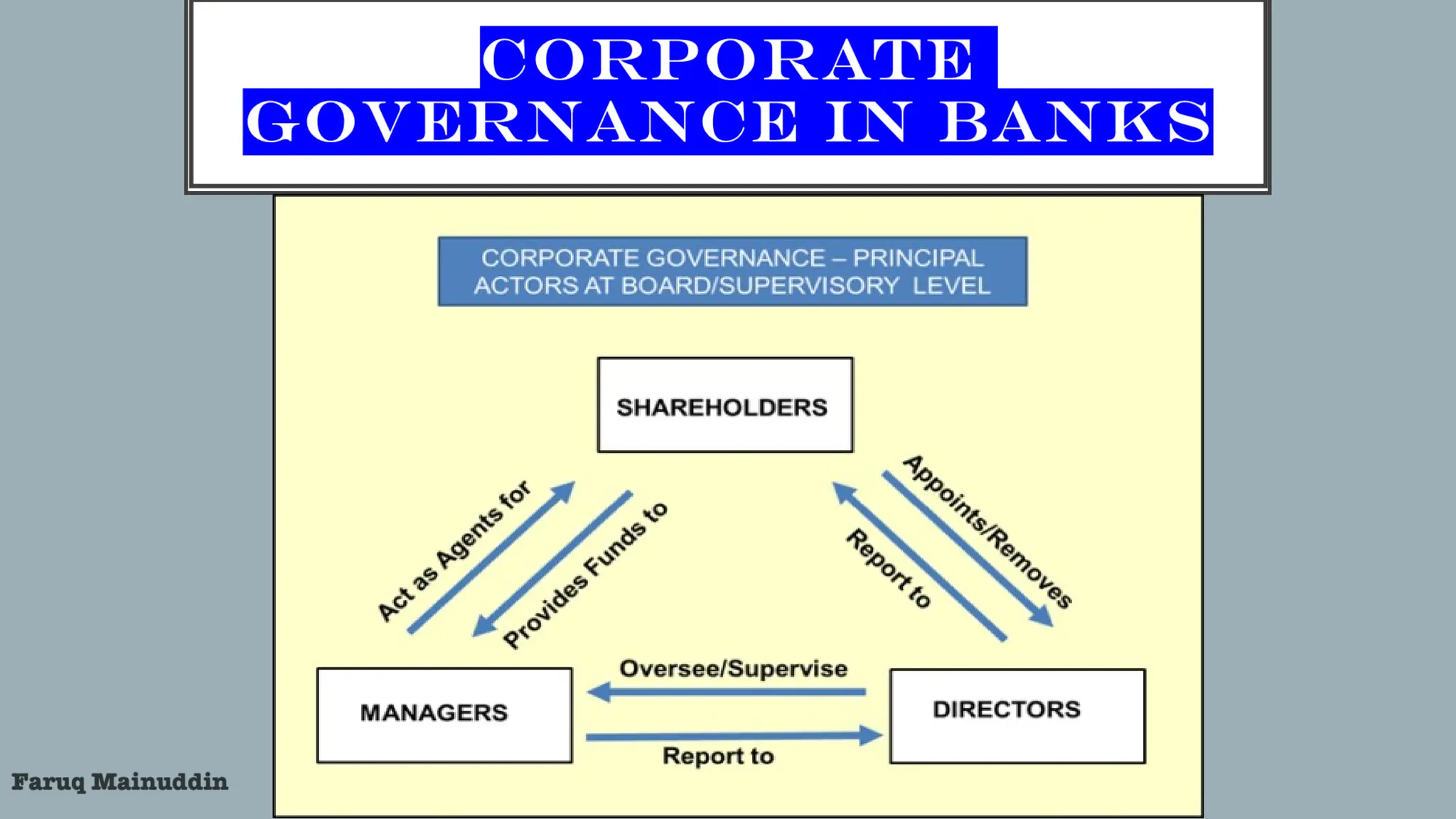
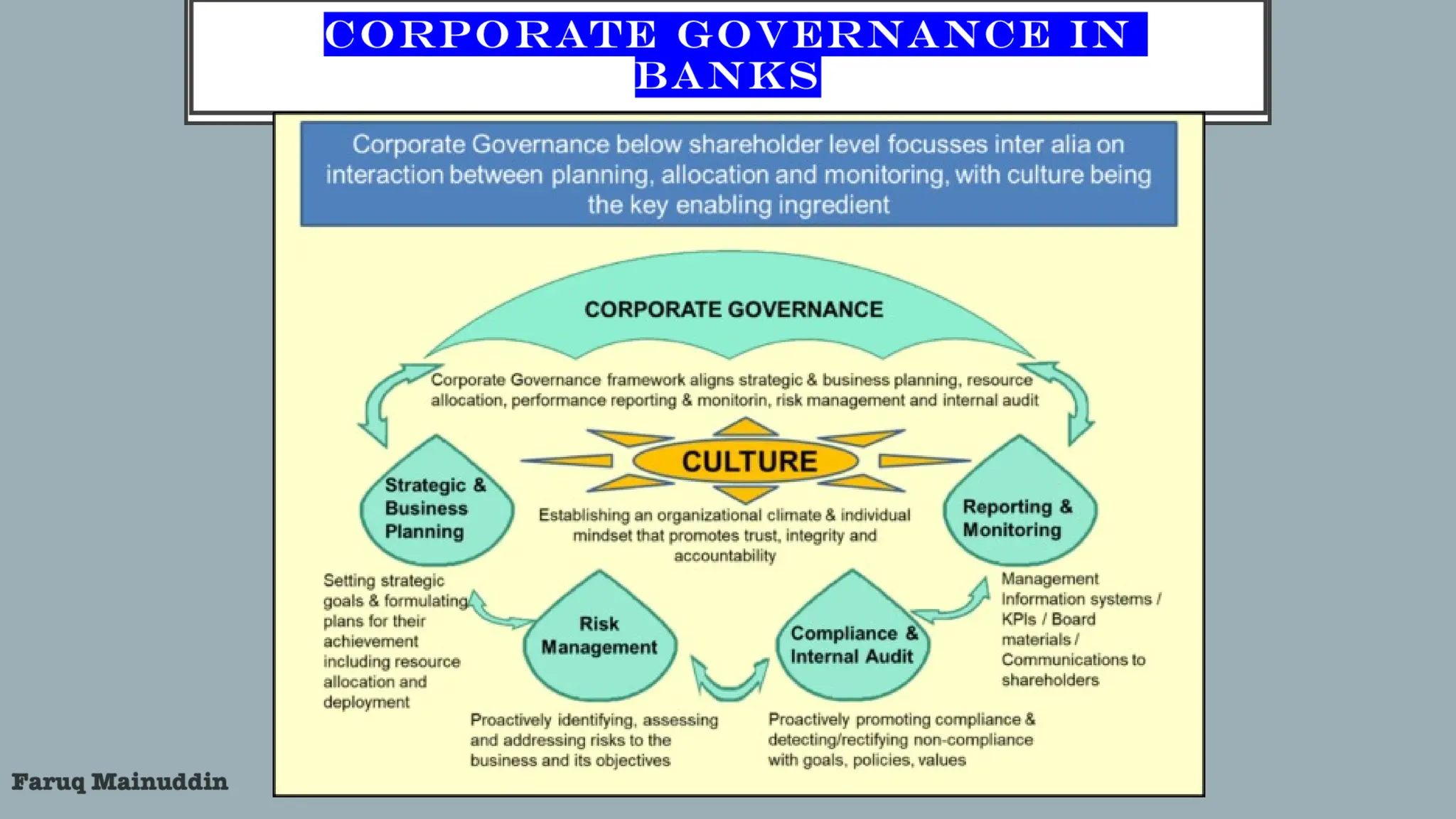
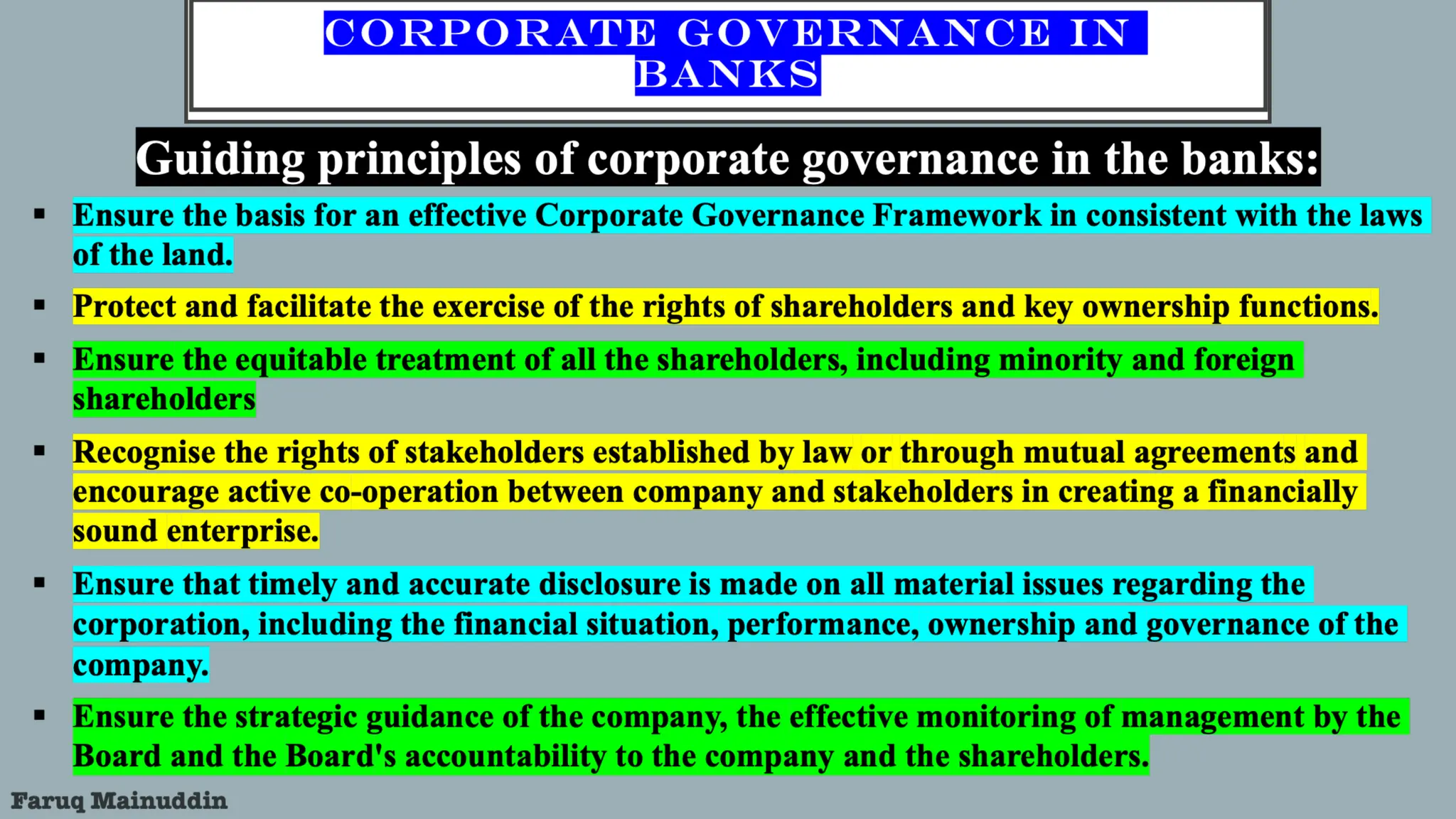
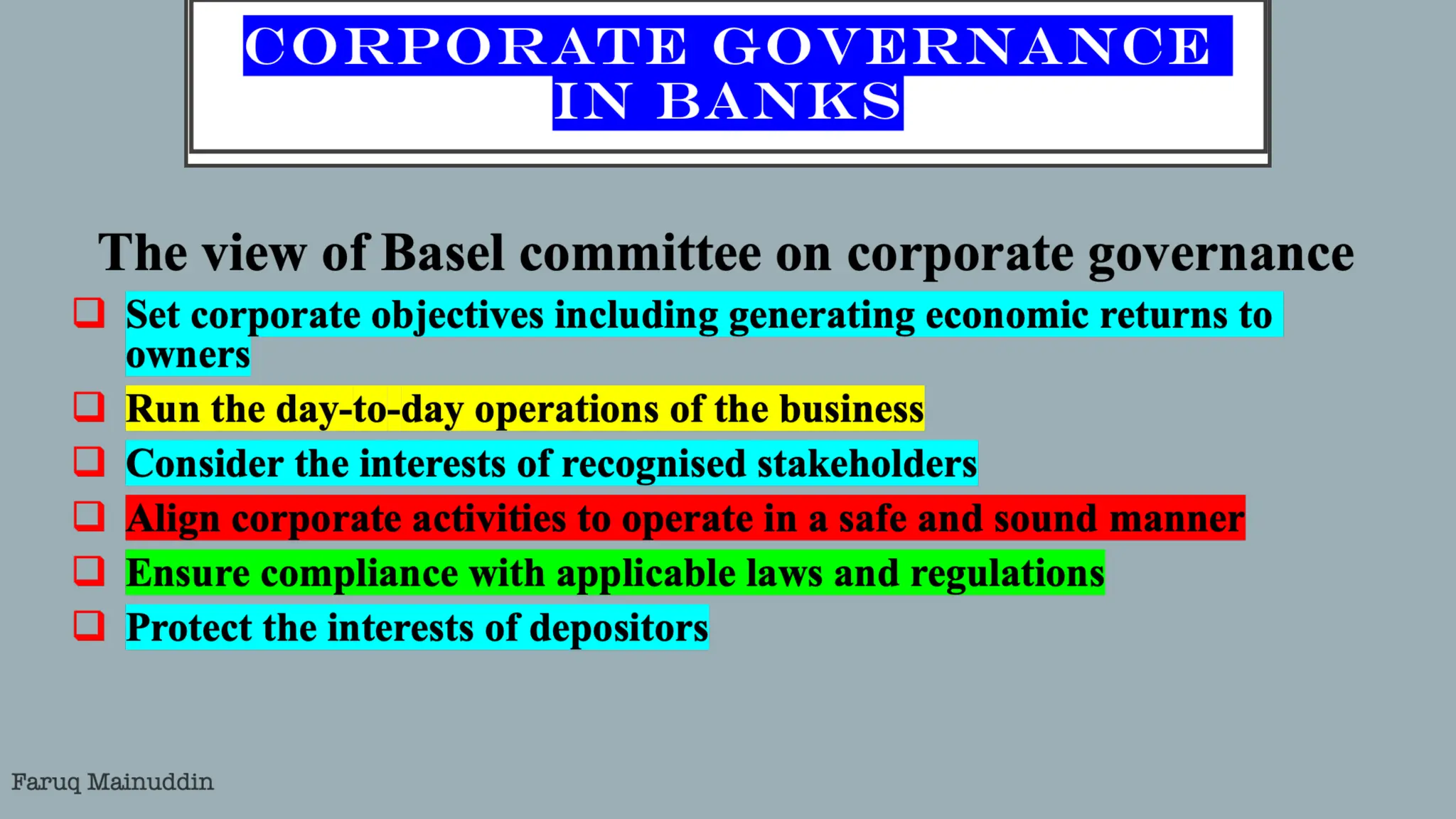
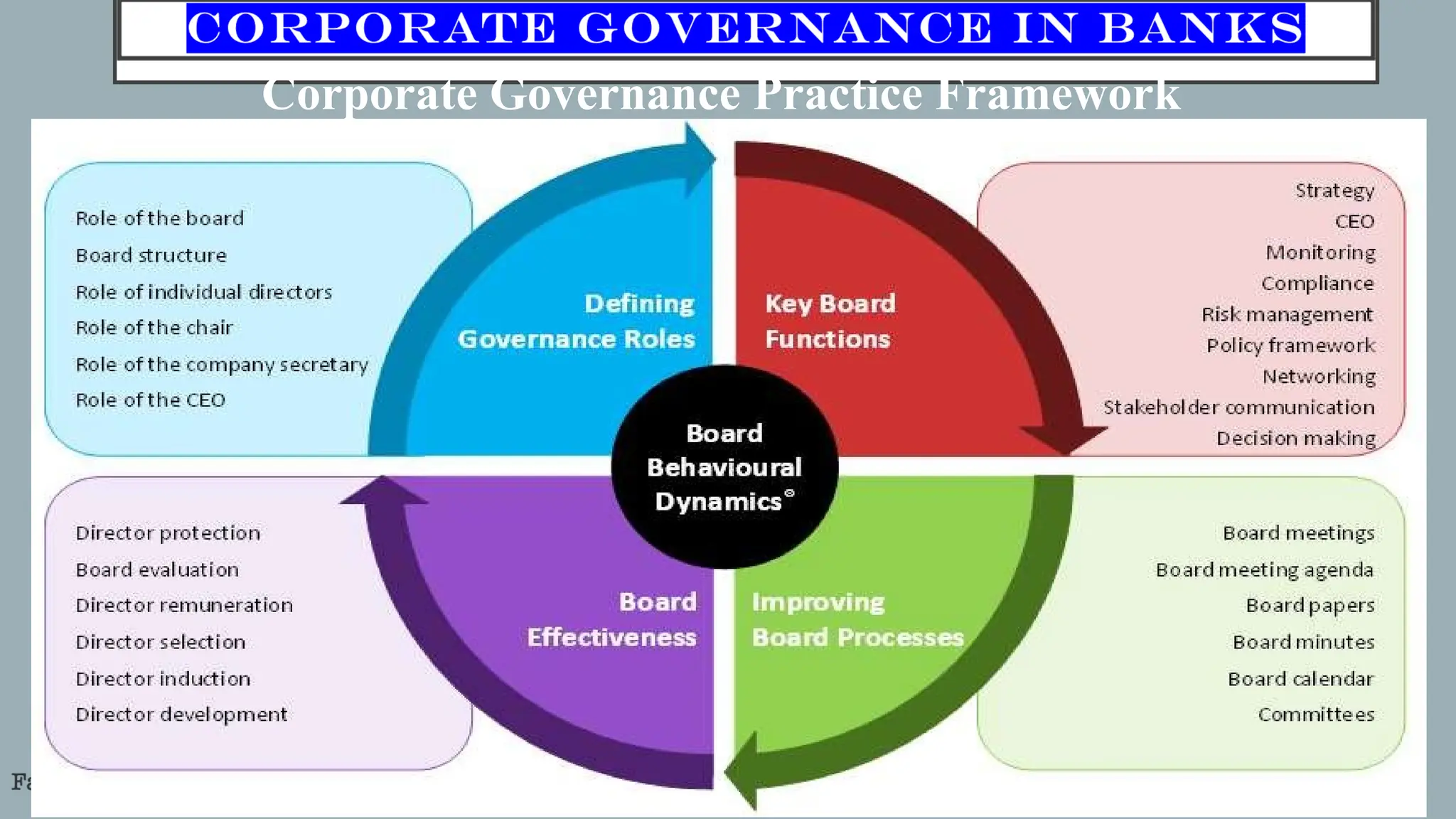
Corporate Governance Practice Framework
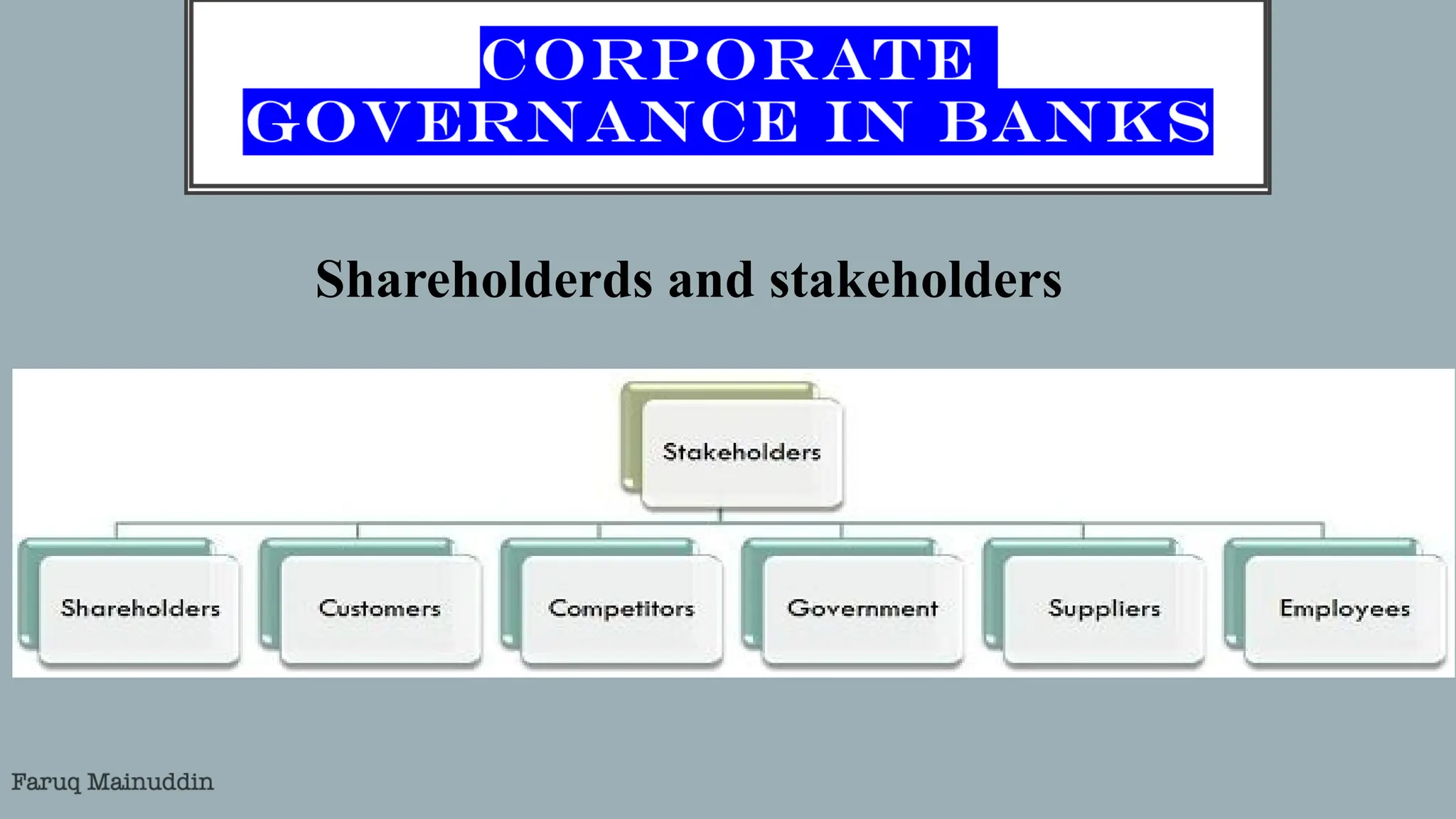
Shareholderds and stakeholders
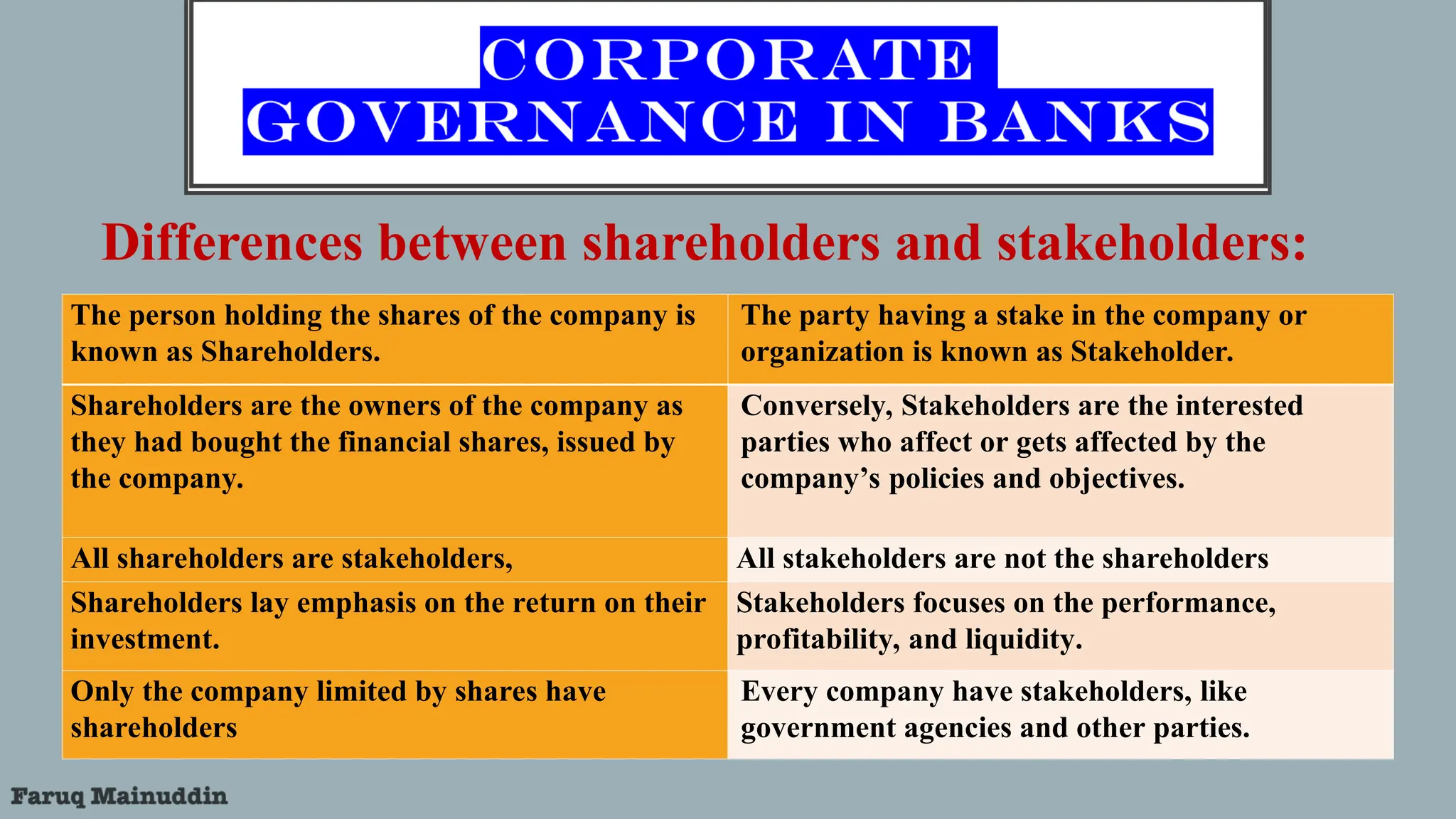
Differences between shareholders and stakeholders:
The person holding the shares of the company is
known as Shareholders.
The party having a stake in the company or
organization is known as Stakeholder.
Shareholders are the owners of the company as
they had bought the financial shares, issued by
the company.
Conversely, Stakeholders are the interested
parties who affect or gets affected by the
company’s policies and objectives.
All shareholders are stakeholders, All stakeholders are not the shareholders
Shareholders lay emphasis on the return on their
investment.
Stakeholders focuses on the performance,
profitability, and liquidity.
Only the company limited by shares have
shareholders
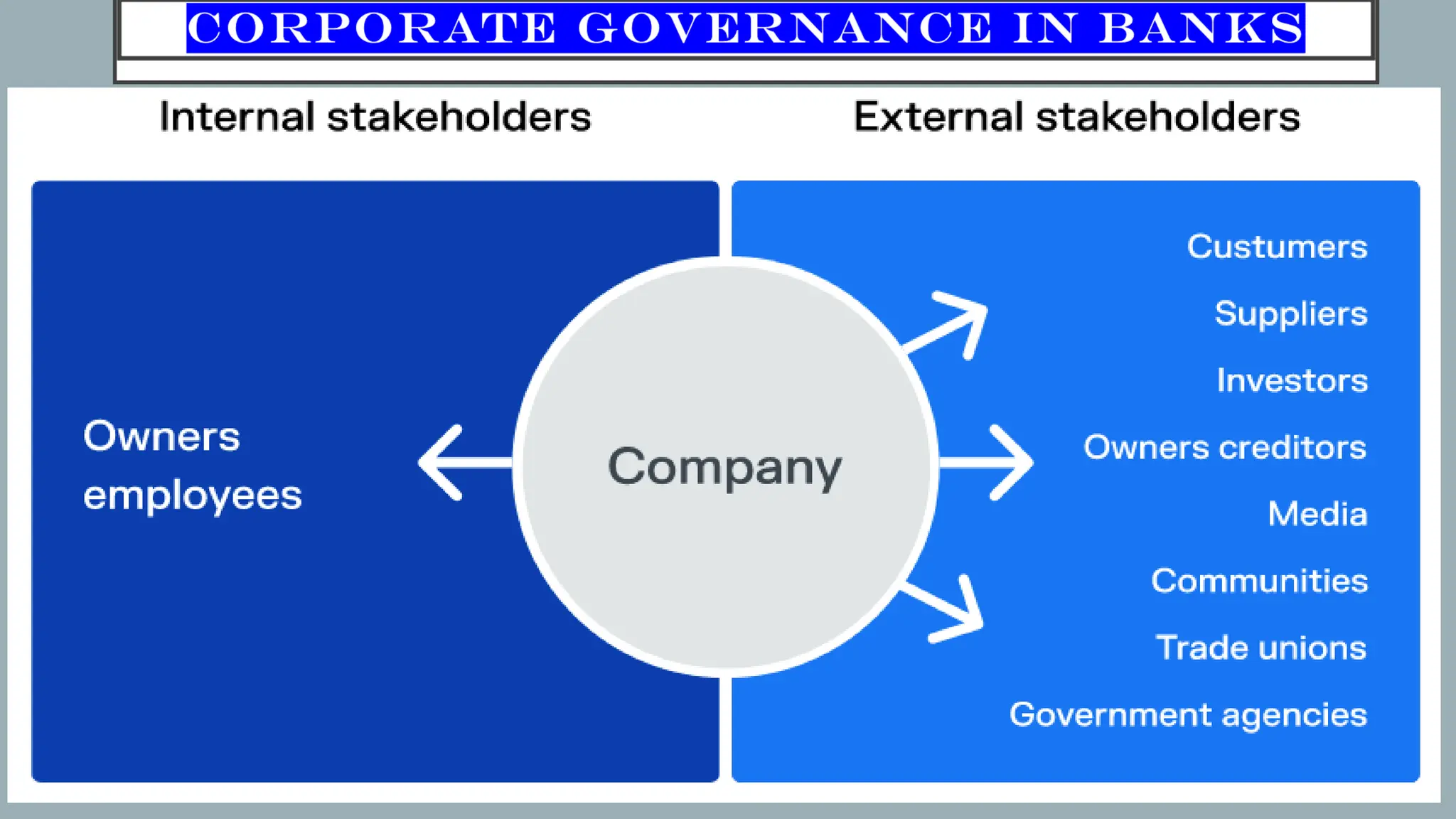
Every company have stakeholders, like
government agencies and other parties.
Shareholders
Equity Shareholders: The holders of the ordinary shares of the
company. At the time of the liquidation of the company they are repaid
at the end.
Preference Shareholders: Preference Shareholders are the one
who gets priority over Equity Shareholders in the payment of dividend
at a fixed rate and repayment of capital it the event of winding up of the
company.
CENTRAL BANKS ROLE IN
GOVERNANCE OF BANKS
CENTRAL BANKS ROLE IN
GOVERNANCE OF BANKS
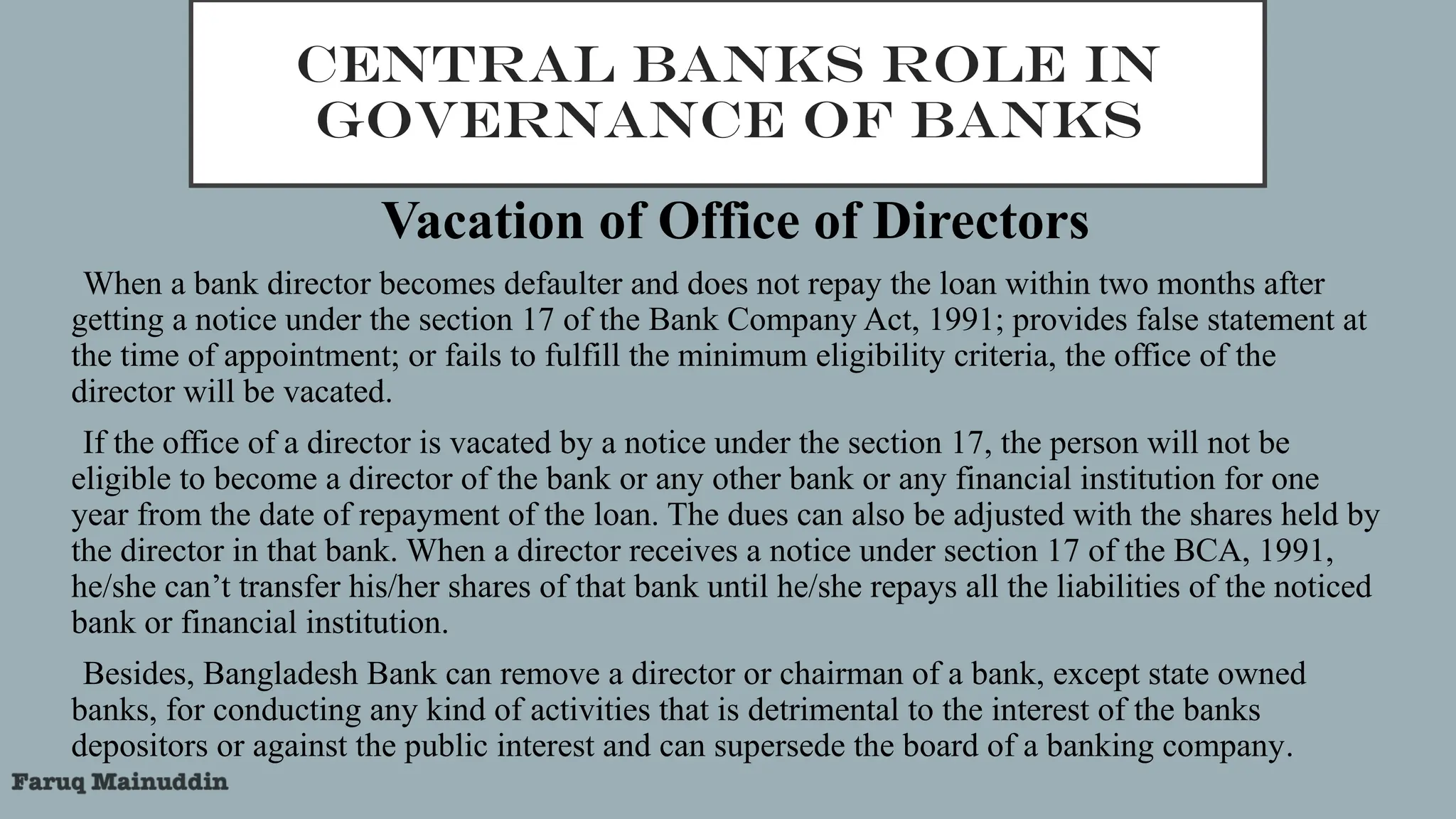
Vacation of Office of Directors
•When a bank director becomes defaulter and does not repay the loan within two months after
getting a notice under the section 17 of the Bank Company Act, 1991; provides false statement at
the time of appointment; or fails to fulfill the minimum eligibility criteria, the office of the
director will be vacated.
•If the office of a director is vacated by a notice under the section 17, the person will not be
eligible to become a director of the bank or any other bank or any financial institution for one
year from the date of repayment of the loan. The dues can also be adjusted with the shares held by
the director in that bank. When a director receives a notice under section 17 of the BCA, 1991,
he/she can’t transfer his/her shares of that bank until he/she repays all the liabilities of the noticed
bank or financial institution.
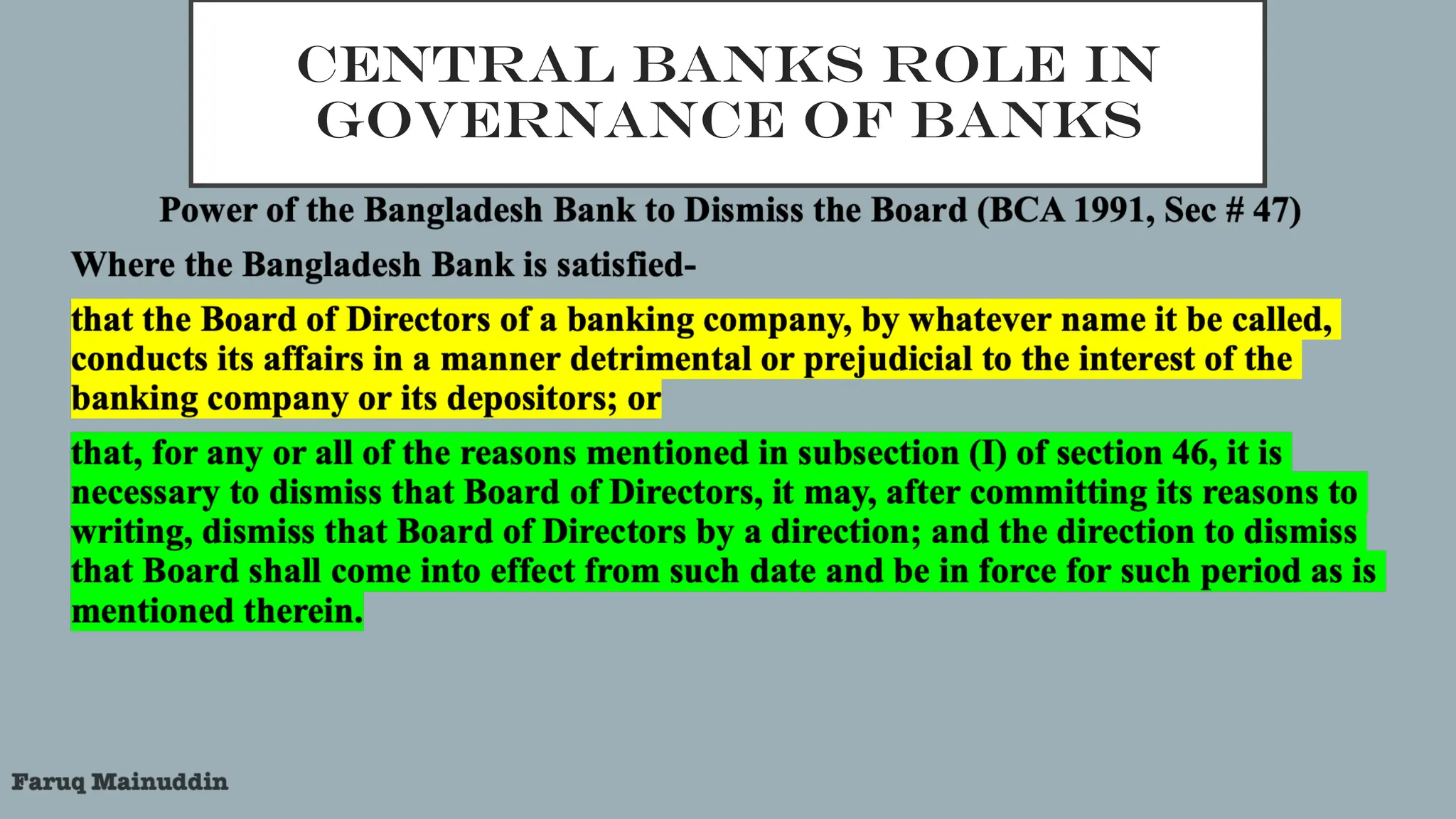
•Besides, Bangladesh Bank can remove a director or chairman of a bank, except state owned
banks, for conducting any kind of activities that is detrimental to the interest of the banks
depositors or against the public interest and can supersede the board of a banking company.
CENTRAL BANKS ROLE IN
GOVERNANCE OF BANKS
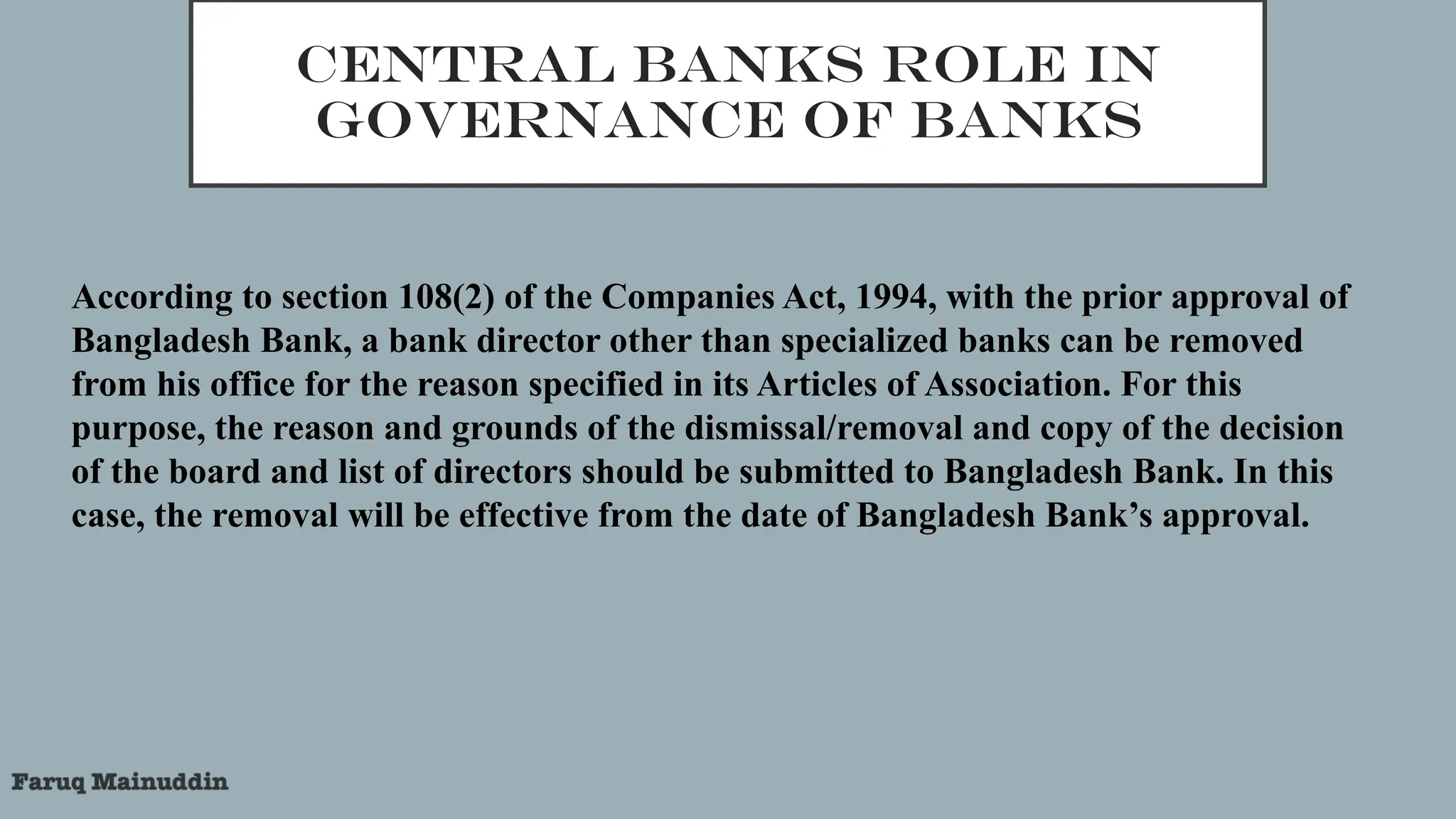
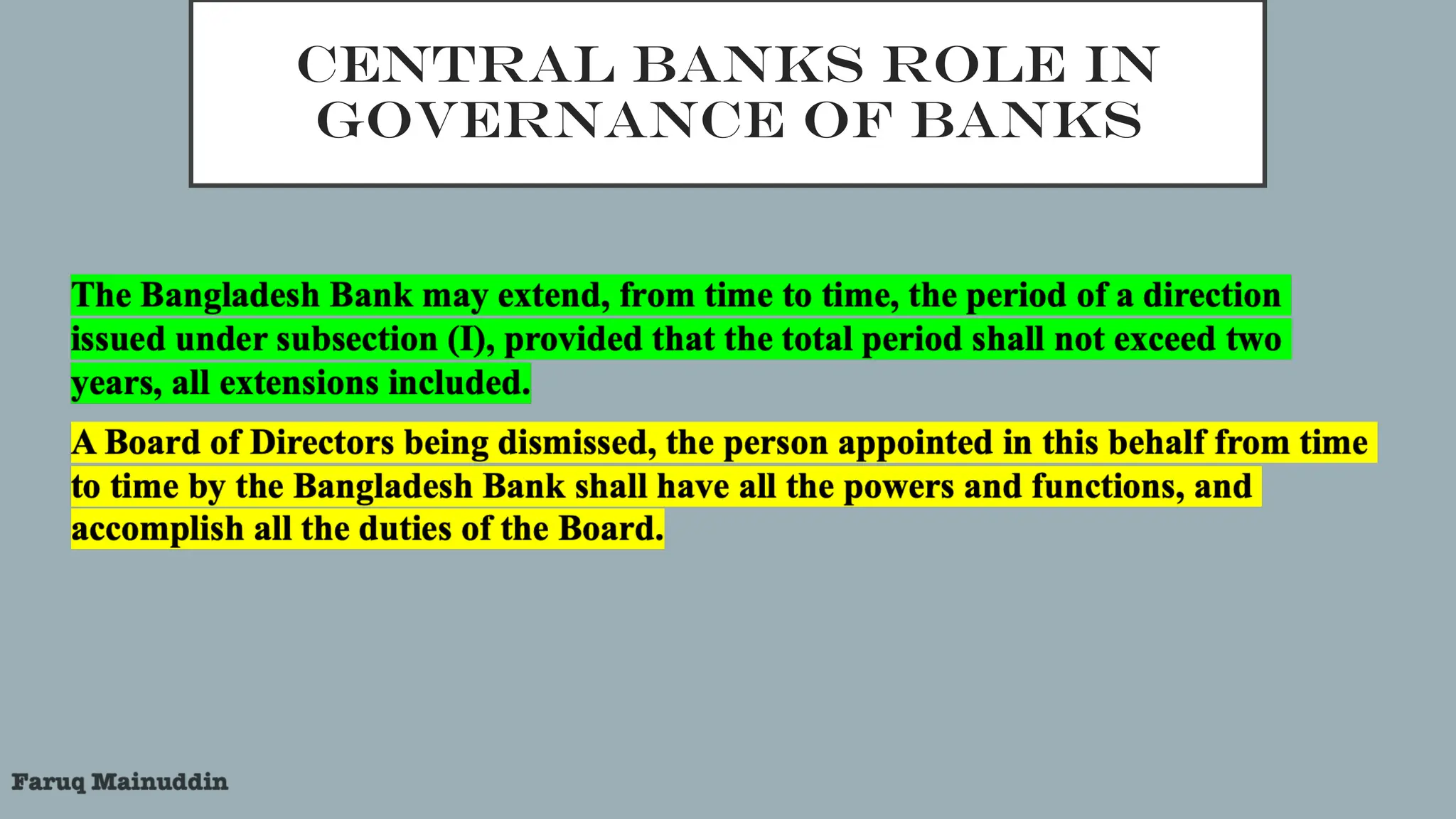
According to section 108(2) of the Companies Act, 1994, with the prior approval of
Bangladesh Bank, a bank director other than specialized banks can be removed
from his office for the reason specified in its Articles of Association. For this
purpose, the reason and grounds of the dismissal/removal and copy of the decision
of the board and list of directors should be submitted to Bangladesh Bank. In this
case, the removal will be effective from the date of Bangladesh Bank’s approval.
CENTRAL BANKS ROLE IN
GOVERNANCE OF BANKS
CENTRAL BANKS ROLE IN
GOVERNANCE OF BANKS
Responsibilities of the Chairman of the Board
1.Does not personally possess the jurisdiction to apply policy making or executive
authority, he/she shall not participate in or interfere into the administrative or
operational and routine affairs of the bank.
2.The chairman may conduct on-site inspection of any bank-branch or financing
activities under the purview of the oversight responsibilities of the board.
3.The chairman may be offered an office-room, a personal secretary/assistant, one
peon/MLSS, one telephone at the office, one mobile phone to use inside the country
and a vehicle in the business-interest of the bank subject to the approval of the
board.
CENTRAL BANKS ROLE IN
GOVERNANCE OF BANKS
Executive Committee
Organizational Structure
 Members of the committee will be nominated by the board of directors from
themselves;
 The executive committee will comprise of maximum 07 (seven) members;
 Members may be appointed for a 03 (three)-year term of office;
 Chairman of the Board of Directors can be the chairman of executive committee;
 Company secretary of the bank will be the secretary of the executive committee.
CENTRAL BANKS ROLE IN
GOVERNANCE OF BANKS
Executive Committee………….contd.
Qualification of the Members
 Integrity, dedication, and opportunity to spare time in the functions of
committee will have to be considered while nominating a director to
the committee;
 Each member should be capable of making valuable and effective
contributions in the functioning of the committee;
 To perform his or her role effectively each committee member should
have adequate understanding of the detailed responsibilities of the
committee membership as well as the bank's business, operations and
its risks.
CENTRAL BANKS ROLE IN
GOVERNANCE OF BANKS
Executive Committee………….contd.
Roles & Responsibilities of the Executive Committee
The executive committee can decide or can act in those cases as
instructed by the Board of directors that are not specifically assigned on
full board through the Bank Company Act, 1991 and other laws and
regulations.
The executive committee can take all necessary decision or can
approve cases within power delegated by the board of directors.
All decisions taken in the executive committee should be ratified in
the next board meeting.
CENTRAL BANKS ROLE IN
GOVERNANCE OF BANKS
Executive Committee………….contd.
Meetings
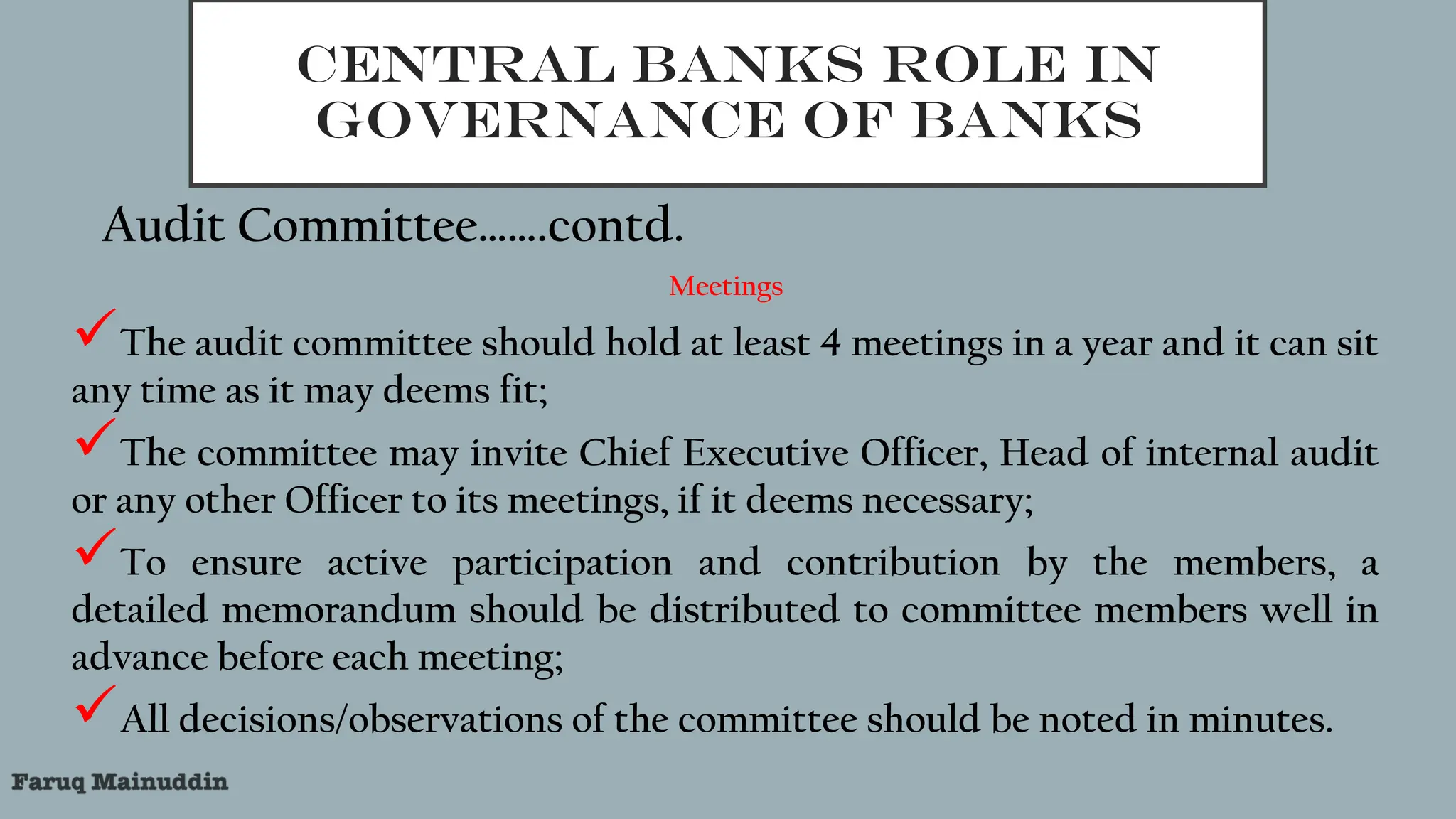
The executive committee can sit any time as it may deem fit.
The committee may invite Chief Executive Officer, Head of internal audit or any
other Officer to its meetings, if it deems necessary;
To ensure active participation and contribution by the members, a detailed
memorandum should be distributed to committee members well in advance before
each meeting;
All decisions/observations of the committee should be noted in minutes.
CENTRAL BANKS ROLE IN
GOVERNANCE OF BANKS
Audit Committee
Organizational Structure
Members of the committee will be nominated by the board of directors from
the directors;
The audit committee will comprise of maximum 05 (five) members, with
minimum 2 (two) independent director;
Audit committee will comprise with directors who are not executive
committee members;
Members may be appointed for a 03 (three) year term of office;
Company secretary of the bank will be the secretary of the audit committee.
CENTRAL BANKS ROLE IN
GOVERNANCE OF BANKS
Audit Committee…….contd.
Qualification of the Members
Integrity, dedication, and opportunity to spare time in the functions of committee will
have to be considered while nominating a director to the committee ;
Each member should be capable of making valuable and effective contributions in the
functioning of the committee;
To perform his or her role effectively each committee member should have adequate
understanding of the detailed responsibilities of the committee membership as well as the
bank's business, operations and its risks.
Professionally Experienced persons in banking/financial institutions specially having
educational qualification in Finance, Banking, Management, Economics, Accounting will get
preference in forming the committee.
CENTRAL BANKS ROLE IN
GOVERNANCE OF BANKS
Audit Committee…….contd.
Roles & Responsibilities of Audit Committee
Internal Control
Financial Reporting
Internal Audit
External Audit
Compliance with Existing Rules & Regulations
Other Responsibilities.
CENTRAL BANKS ROLE IN
GOVERNANCE OF BANKS
Audit Committee…….contd.
Meetings
The audit committee should hold at least 4 meetings in a year and it can sit
any time as it may deems fit;
The committee may invite Chief Executive Officer, Head of internal audit
or any other Officer to its meetings, if it deems necessary;
To ensure active participation and contribution by the members, a
detailed memorandum should be distributed to committee members well in
advance before each meeting;
All decisions/observations of the committee should be noted in minutes.
CENTRAL BANKS ROLE IN
GOVERNANCE OF BANKS
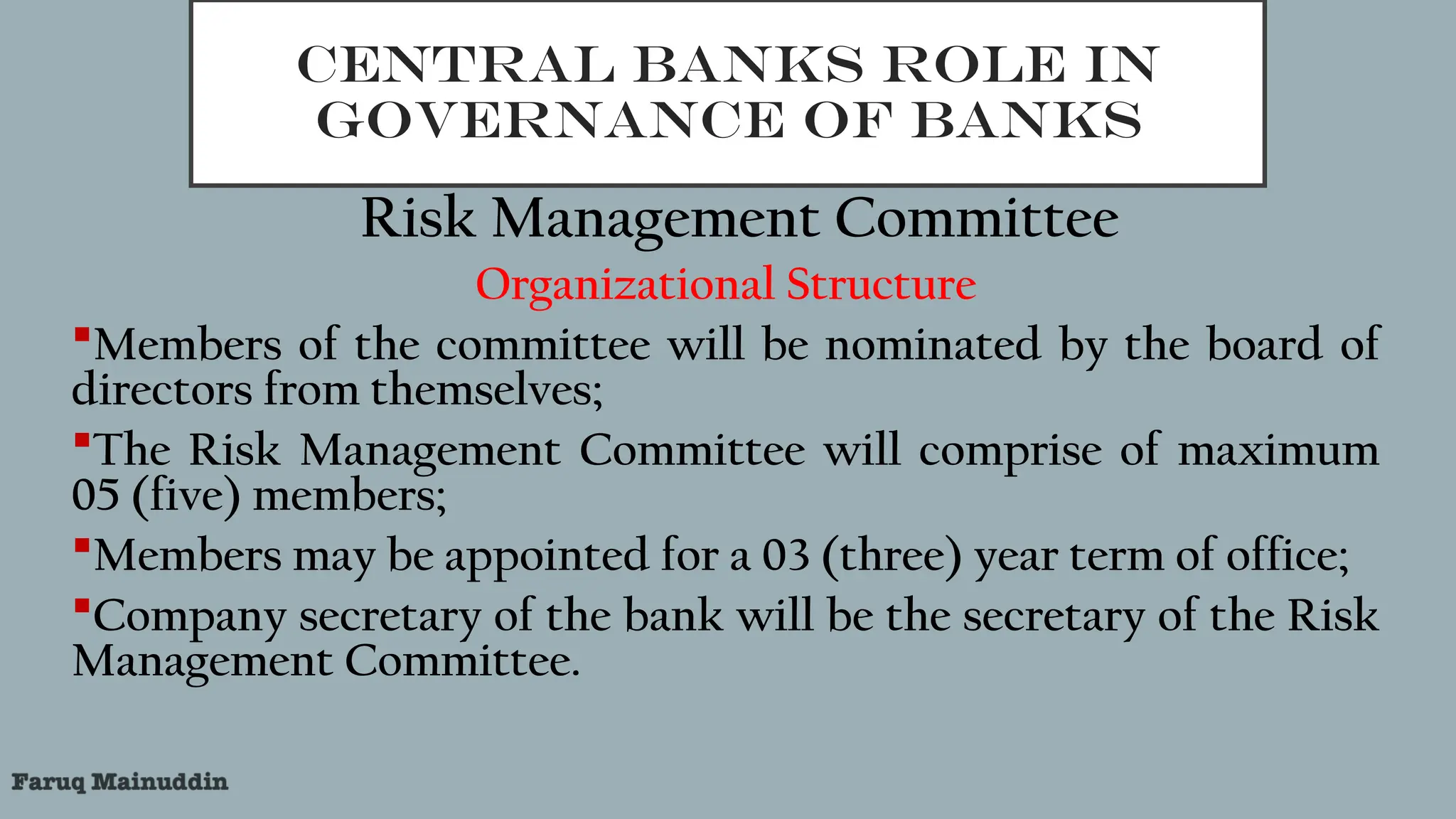
Risk Management Committee
Organizational Structure
Members of the committee will be nominated by the board of
directors from themselves;
The Risk Management Committee will comprise of maximum
05 (five) members;
Members may be appointed for a 03 (three) year term of office;
Company secretary of the bank will be the secretary of the Risk
Management Committee.
CENTRAL BANKS ROLE IN
GOVERNANCE OF BANKS
Risk Management Committee……..contd.
Qualification of the Members
Integrity, dedication, and opportunity to spare time in the
functions of committee will have to be considered while
nominating a director to the committee;
Each member should be capable of making valuable and effective
contributions in the functioning of the committee;
To perform his or her role effectively each committee member
should have adequate understanding of the detailed
responsibilities of the committee membership as well as the bank's
business, operations and its risks.
CENTRAL BANKS ROLE IN
GOVERNANCE OF BANKS
Risk Management Committee……..contd.
Roles & Responsibilities of the Risk Management
Committee
Risk Identification & Control Policy.
Construction of Organizational Structure.
Analysis & Approval of Risk Management Policy.
Storage of Data & Reporting System.
Monitoring the Implementation of Overall Risk
Management Policy.
Other Responsibilities
CENTRAL BANKS ROLE IN
GOVERNANCE OF BANKS
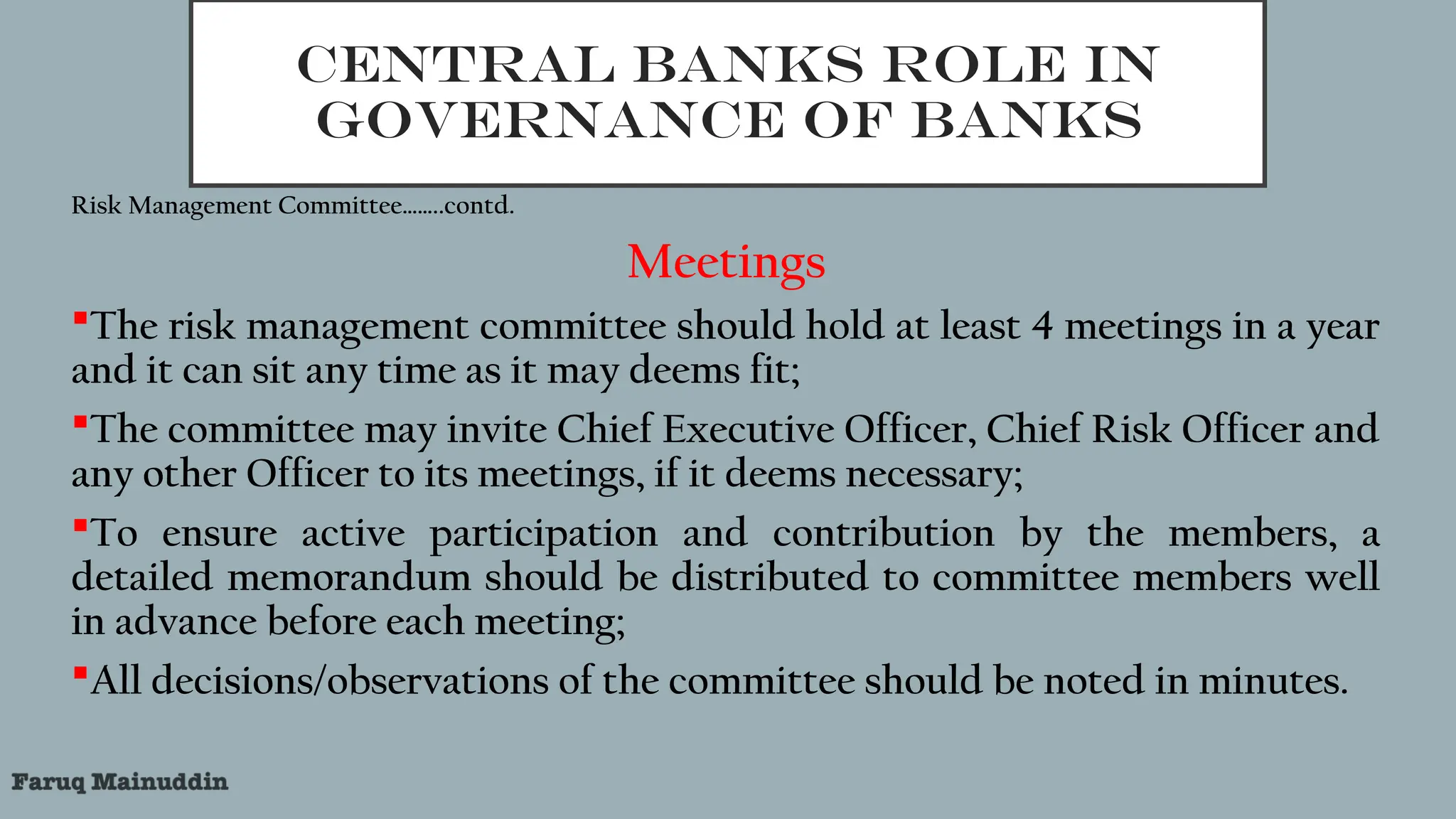
Risk Management Committee……..contd.
Meetings
The risk management committee should hold at least 4 meetings in a year
and it can sit any time as it may deems fit;
The committee may invite Chief Executive Officer, Chief Risk Officer and
any other Officer to its meetings, if it deems necessary;
To ensure active participation and contribution by the members, a
detailed memorandum should be distributed to committee members well
in advance before each meeting;
All decisions/observations of the committee should be noted in minutes.
CENTRAL BANKS ROLE IN
GOVERNANCE OF BANKS
CENTRAL BANKS ROLE IN
GOVERNANCE OF BANKS
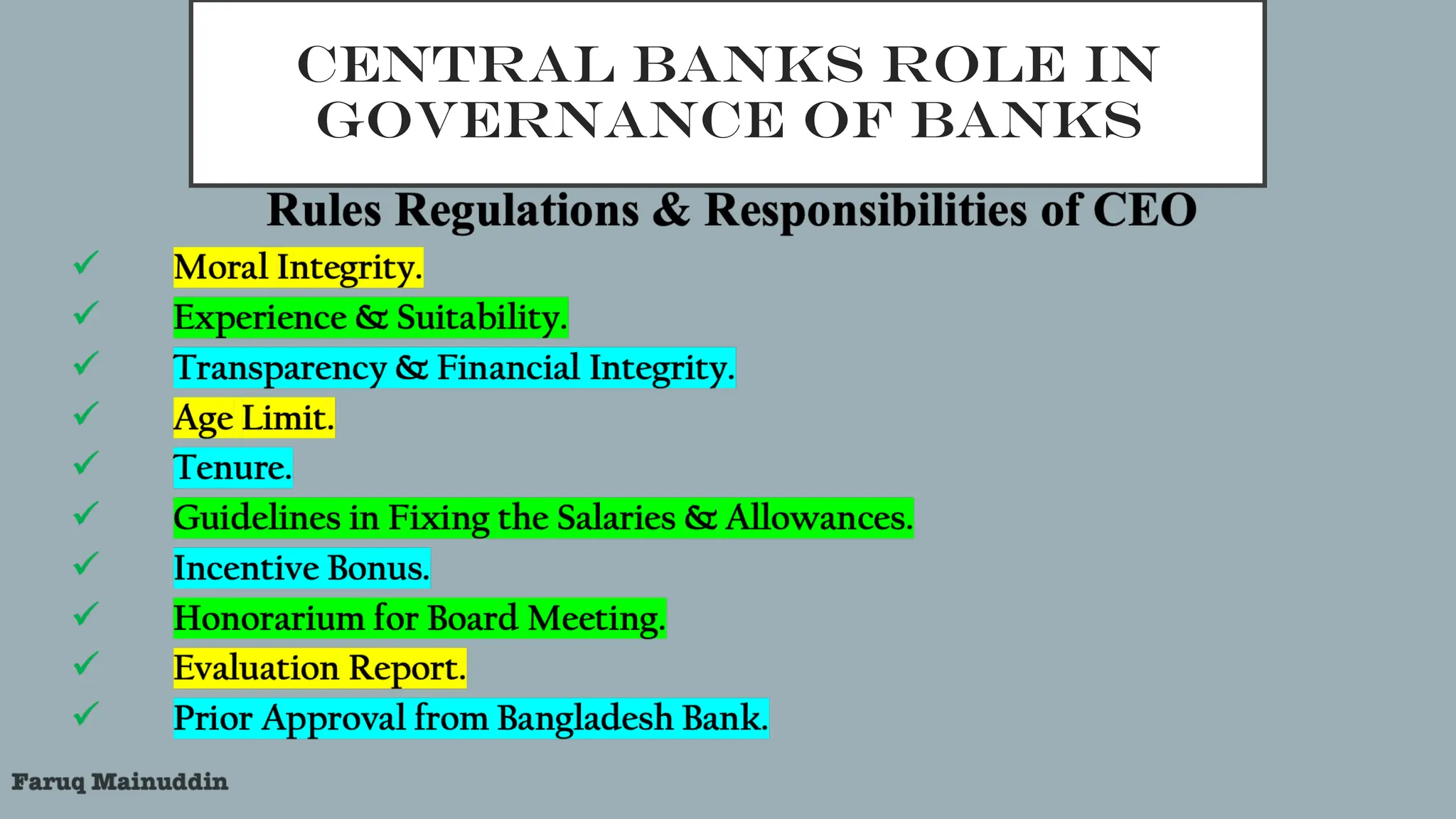
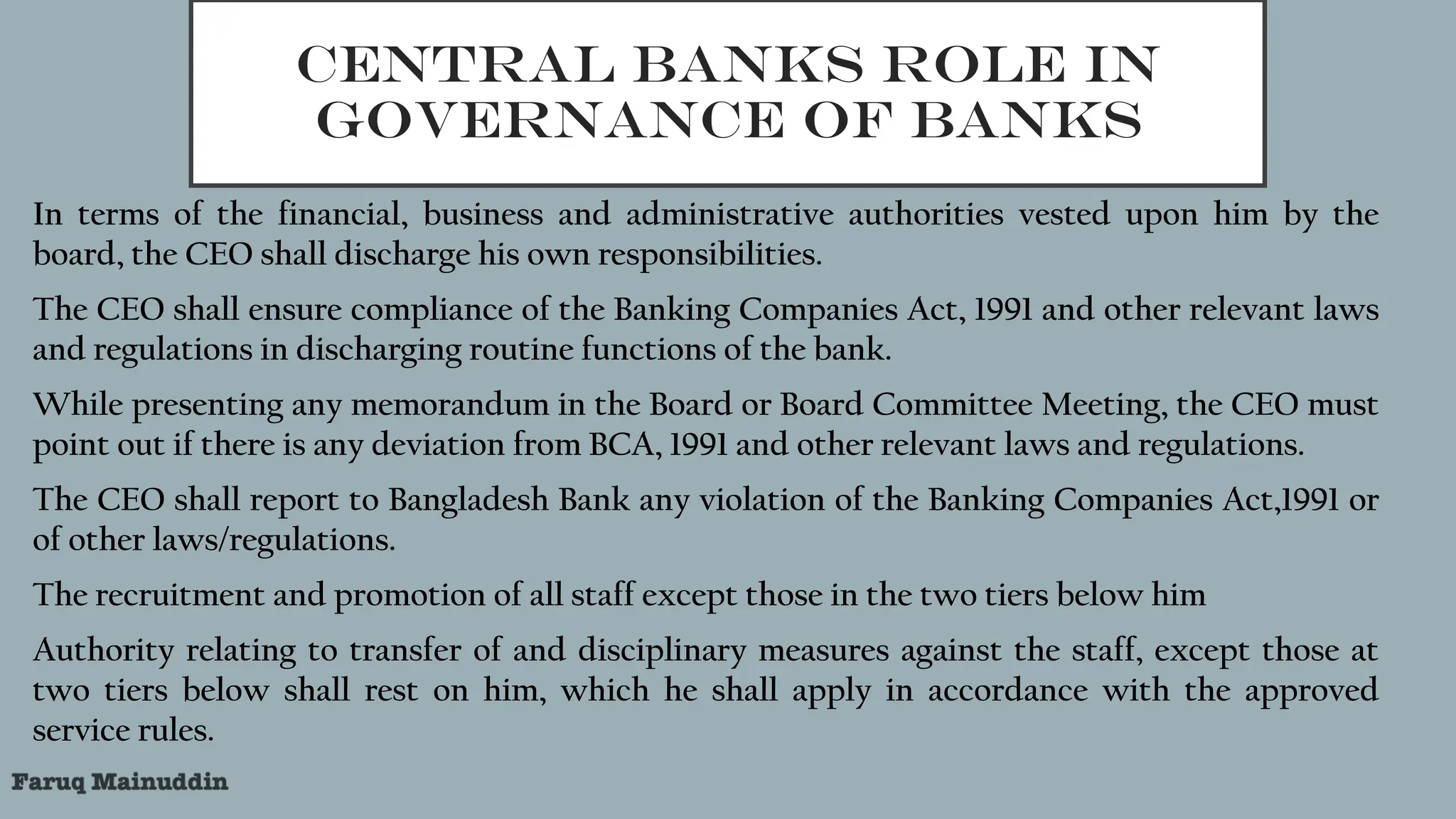
In terms of the financial, business and administrative authorities vested upon him by the
board, the CEO shall discharge his own responsibilities.
The CEO shall ensure compliance of the Banking Companies Act, 1991 and other relevant laws
and regulations in discharging routine functions of the bank.
While presenting any memorandum in the Board or Board Committee Meeting, the CEO must
point out if there is any deviation from BCA, 1991 and other relevant laws and regulations.
The CEO shall report to Bangladesh Bank any violation of the Banking Companies Act,1991 or
of other laws/regulations.
The recruitment and promotion of all staff except those in the two tiers below him
Authority relating to transfer of and disciplinary measures against the staff, except those at
two tiers below shall rest on him, which he shall apply in accordance with the approved
service rules.
CENTRAL BANKS ROLE IN
GOVERNANCE OF BANKS
CENTRAL BANKS ROLE IN
GOVERNANCE OF BANKS
CENTRAL BANKS ROLE IN
GOVERNANCE OF BANKS
CENTRAL BANKS ROLE IN
GOVERNANCE OF BANKS
CENTRAL BANKS ROLE IN
GOVERNANCE OF BANKS
CENTRAL BANKS ROLE IN
GOVERNANCE OF BANKS
CENTRAL BANKS ROLE IN
GOVERNANCE OF BANKS
CENTRAL BANKS ROLE IN
GOVERNANCE OF BANKS
CENTRAL BANKS ROLE IN
GOVERNANCE OF BANKS
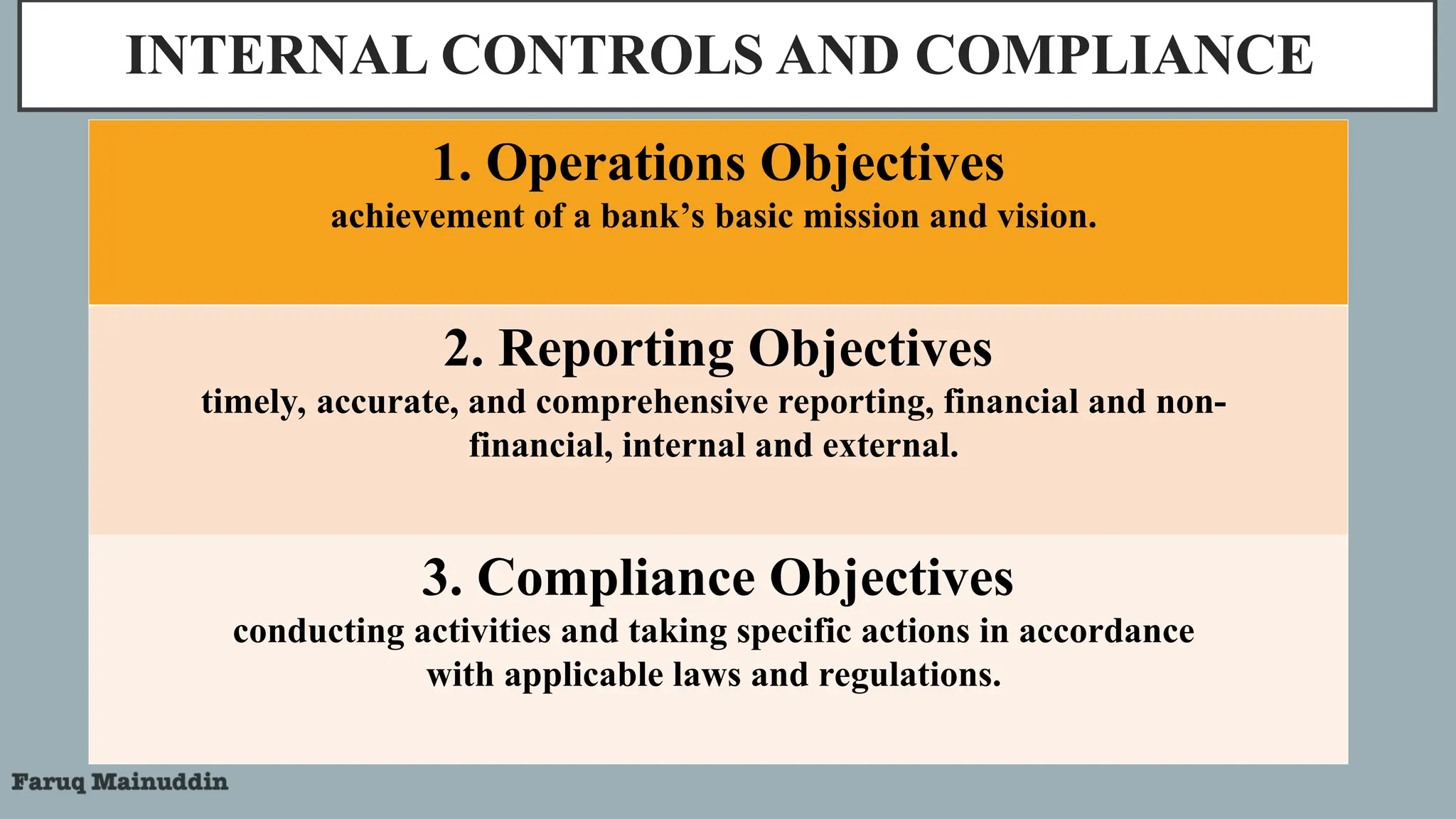
INTERNAL CONTROLS AND COMPLIANCE
1. Operations Objectives
achievement of a bank’s basic mission and vision.
2. Reporting Objectives
timely, accurate, and comprehensive reporting, financial and non-
financial, internal and external.
3. Compliance Objectives
conducting activities and taking specific actions in accordance
with applicable laws and regulations.
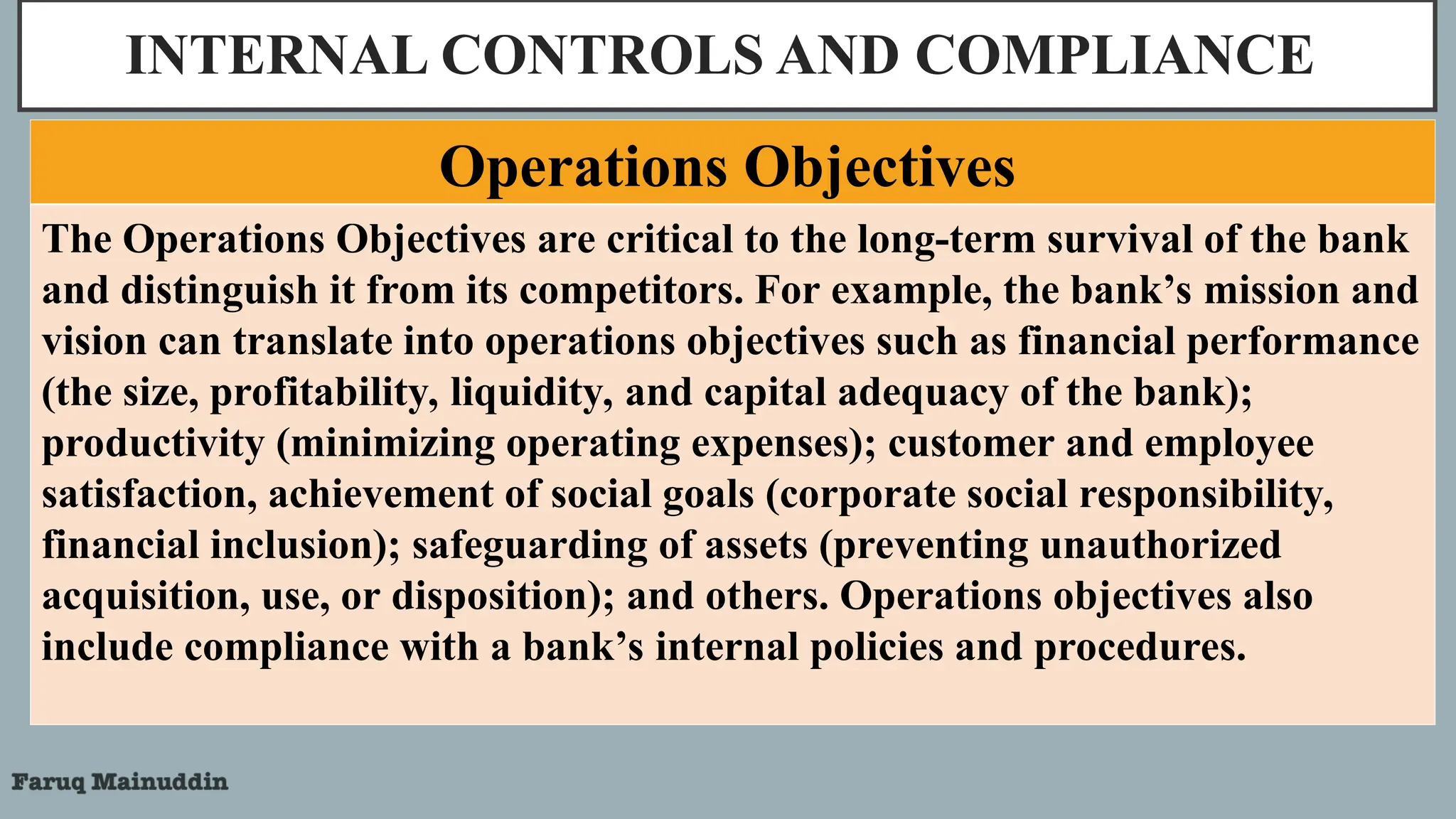
INTERNAL CONTROLS AND COMPLIANCE
The Operations Objectives are critical to the long-term survival of the bank
and distinguish it from its competitors. For example, the bank’s mission and
vision can translate into operations objectives such as financial performance
(the size, profitability, liquidity, and capital adequacy of the bank);
productivity (minimizing operating expenses); customer and employee
satisfaction, achievement of social goals (corporate social responsibility,
financial inclusion); safeguarding of assets (preventing unauthorized
acquisition, use, or disposition); and others. Operations objectives also
include compliance with a bank’s internal policies and procedures.
Operations Objectives
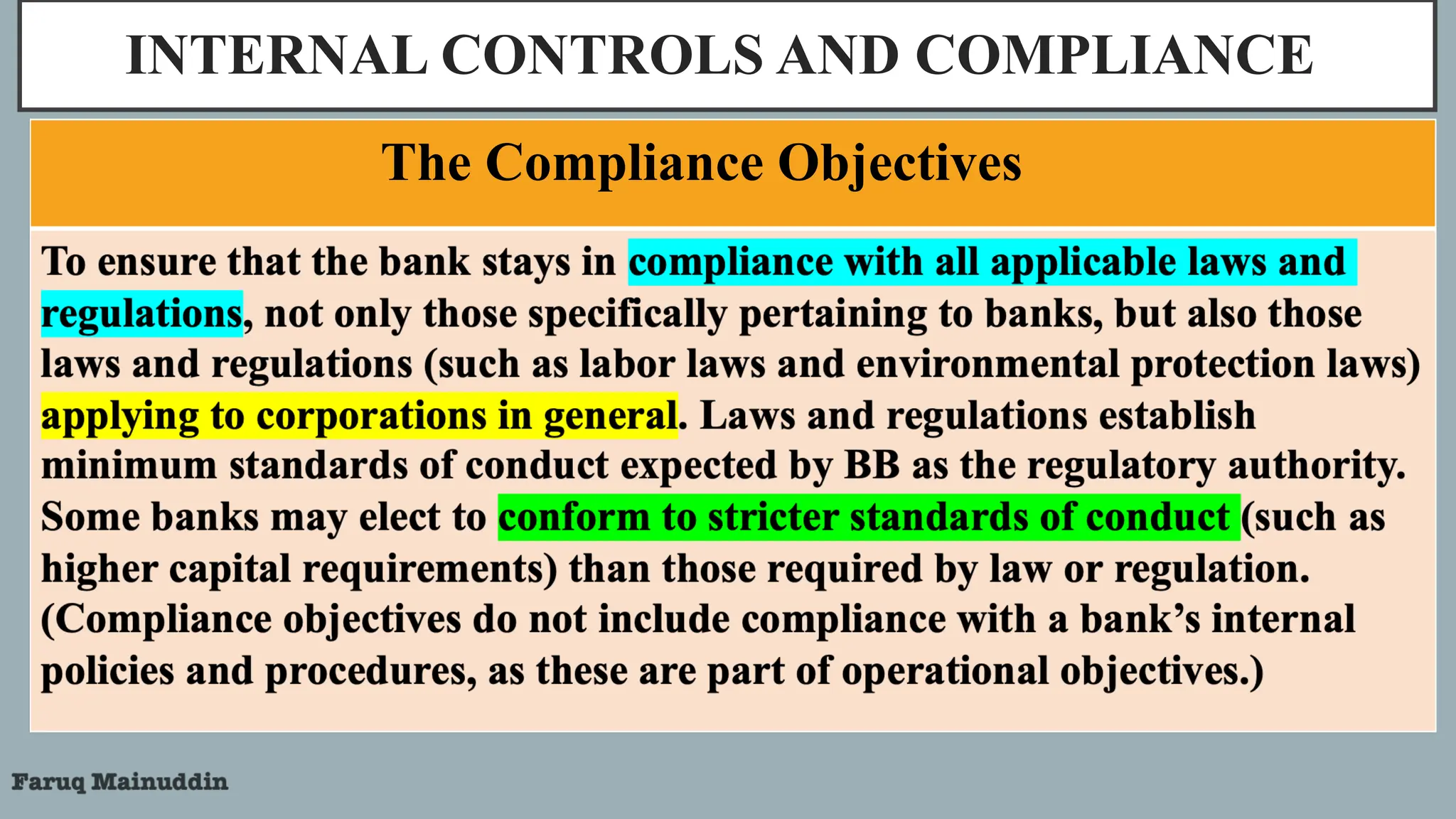
INTERNAL CONTROLS AND COMPLIANCE
The Compliance Objectives
INTERNAL CONTROLS AND COMPLIANCE
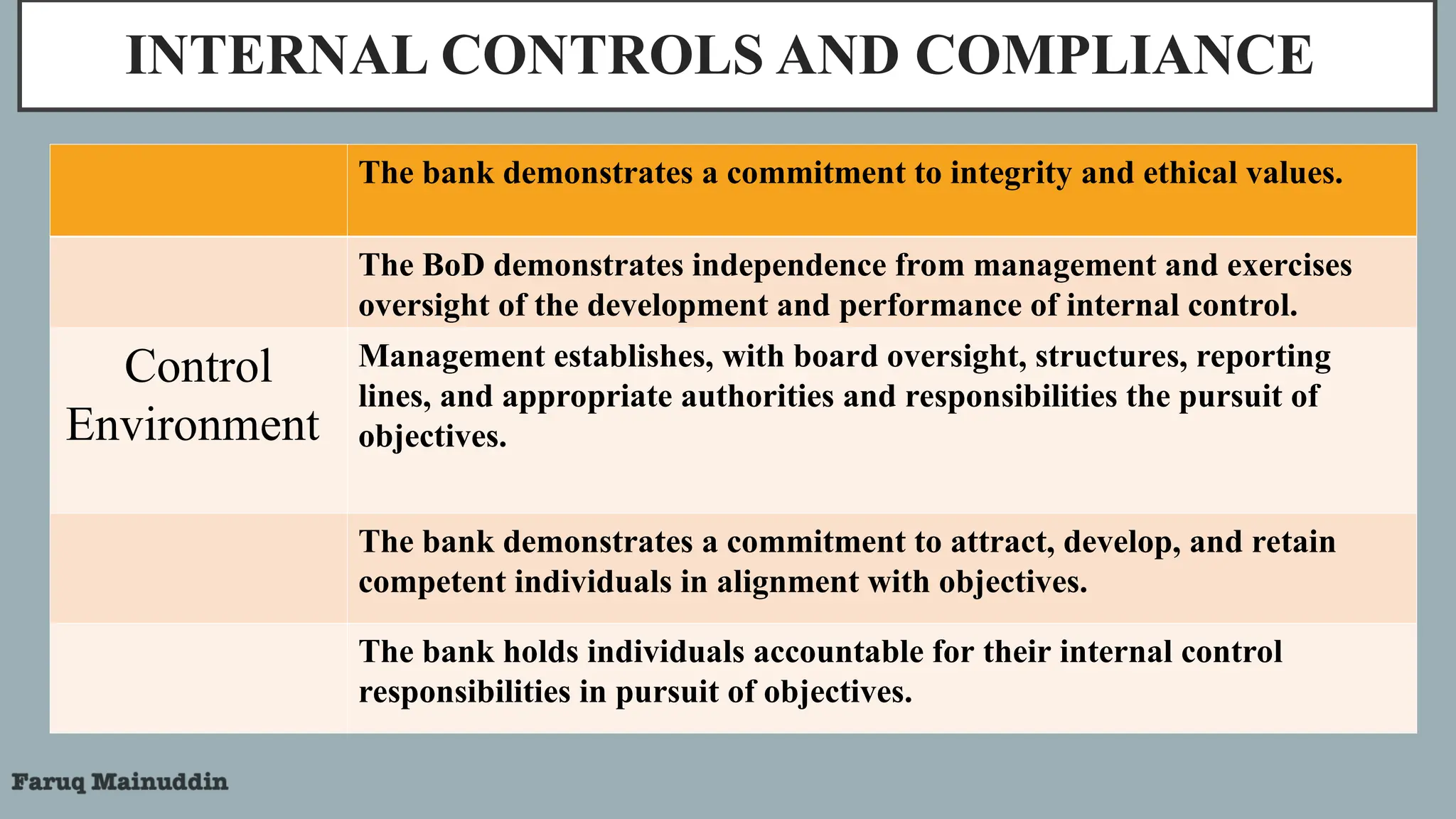
The bank demonstrates a commitment to integrity and ethical values.
The BoD demonstrates independence from management and exercises
oversight of the development and performance of internal control.
Control
Environment
Management establishes, with board oversight, structures, reporting
lines, and appropriate authorities and responsibilities the pursuit of
objectives.
The bank demonstrates a commitment to attract, develop, and retain
competent individuals in alignment with objectives.
The bank holds individuals accountable for their internal control
responsibilities in pursuit of objectives.
INTERNAL CONTROLS AND COMPLIANCE
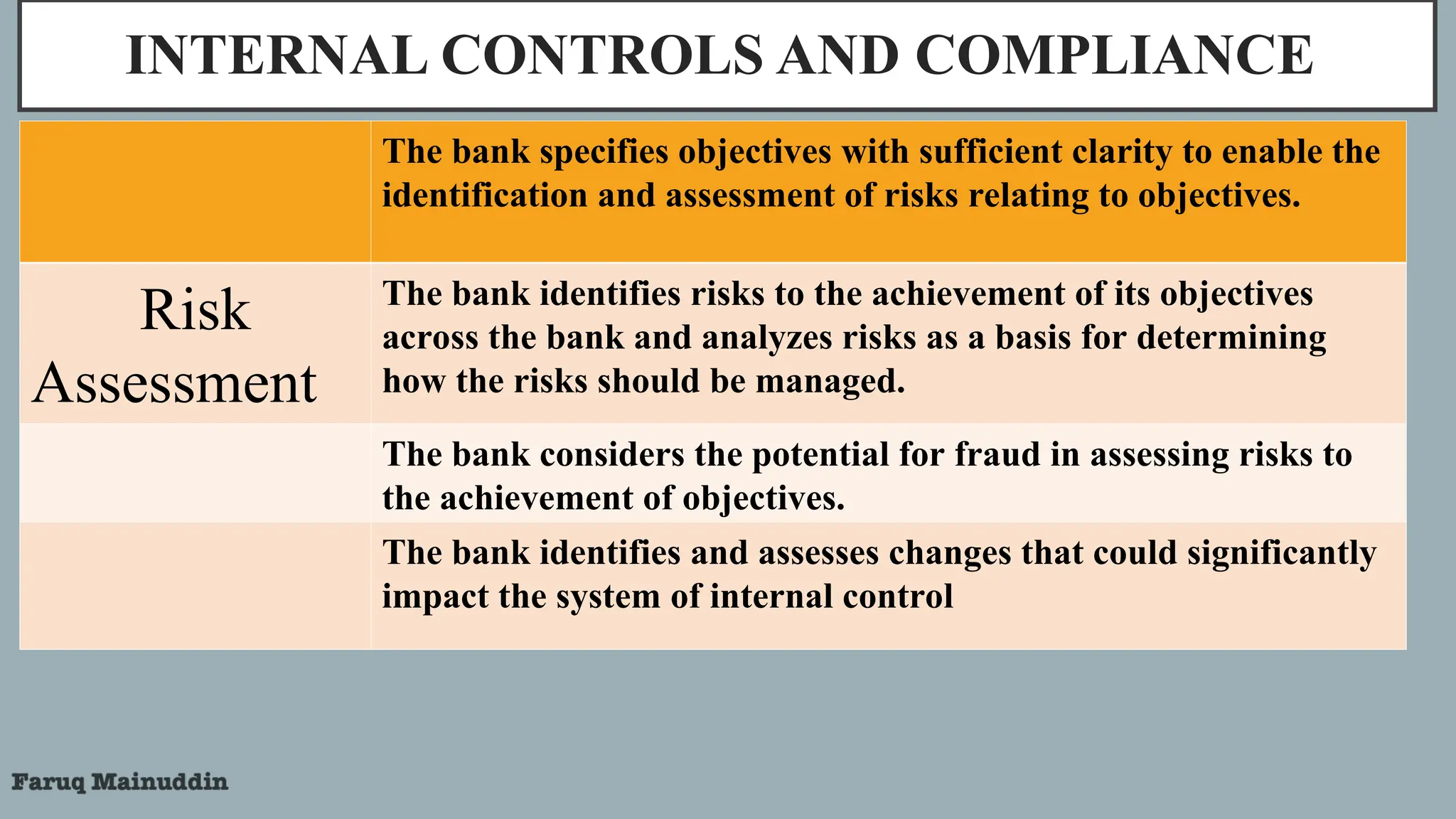
The bank specifies objectives with sufficient clarity to enable the
identification and assessment of risks relating to objectives.
Risk
Assessment
The bank identifies risks to the achievement of its objectives
across the bank and analyzes risks as a basis for determining
how the risks should be managed.
The bank considers the potential for fraud in assessing risks to
the achievement of objectives.
The bank identifies and assesses changes that could significantly
impact the system of internal control
INTERNAL CONTROLS AND COMPLIANCE
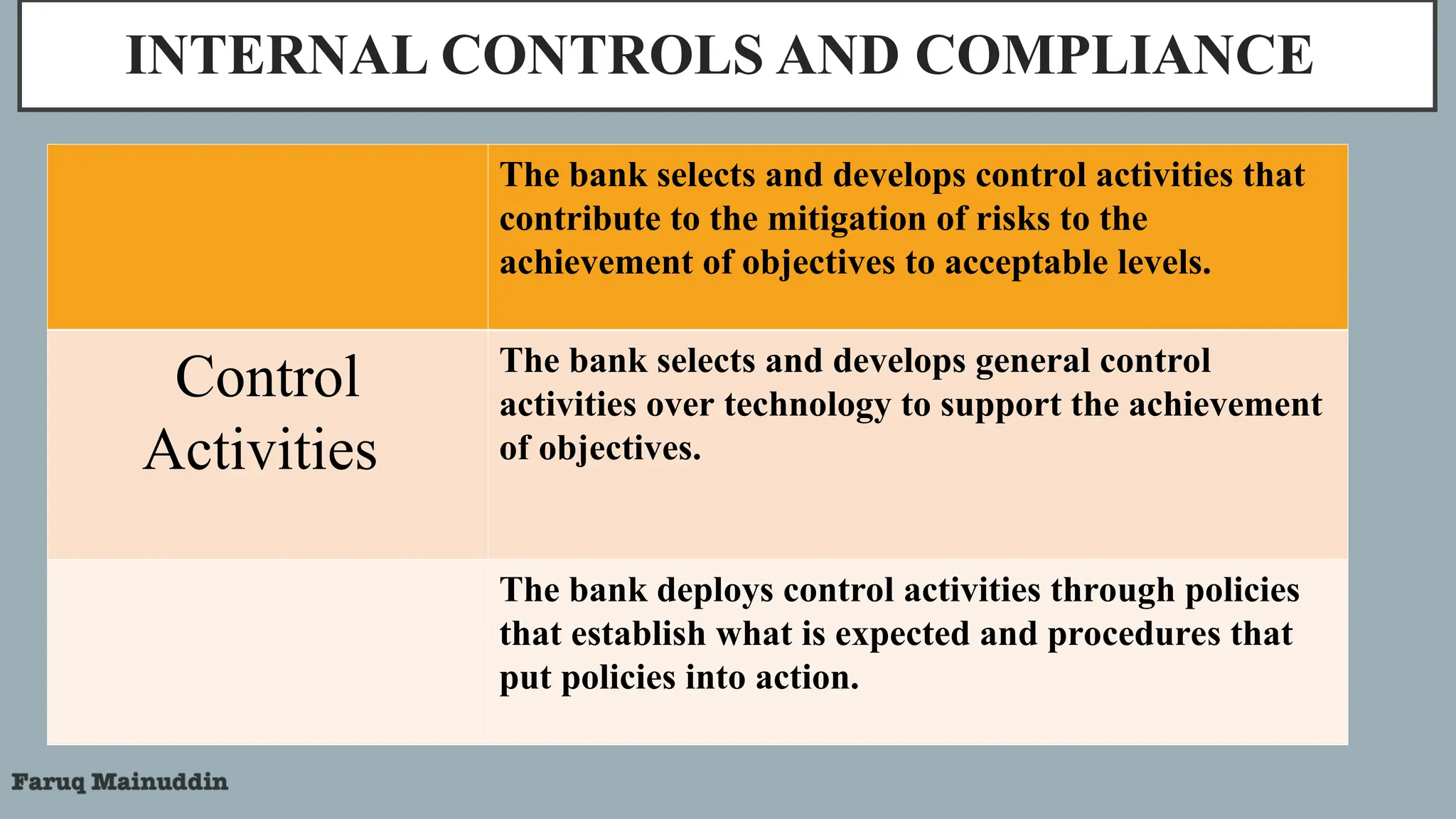
The bank selects and develops control activities that
contribute to the mitigation of risks to the
achievement of objectives to acceptable levels.
Control
Activities
The bank selects and develops general control
activities over technology to support the achievement
of objectives.
The bank deploys control activities through policies
that establish what is expected and procedures that
put policies into action.
INTERNAL CONTROLS AND COMPLIANCE
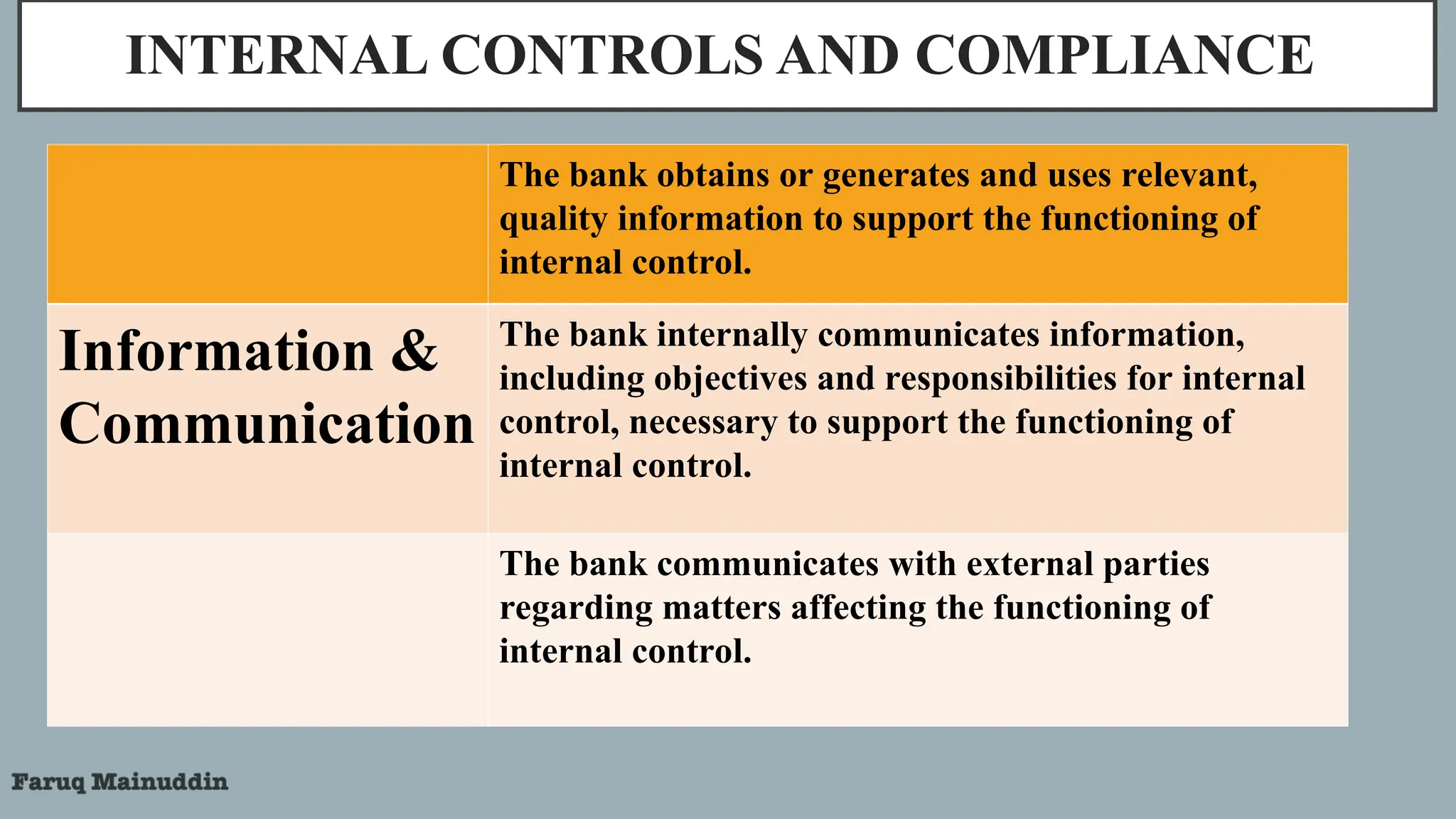
The bank obtains or generates and uses relevant,
quality information to support the functioning of
internal control.
Information &
Communication
The bank internally communicates information,
including objectives and responsibilities for internal
control, necessary to support the functioning of
internal control.
The bank communicates with external parties
regarding matters affecting the functioning of
internal control.
INTERNAL CONTROLS AND COMPLIANCE
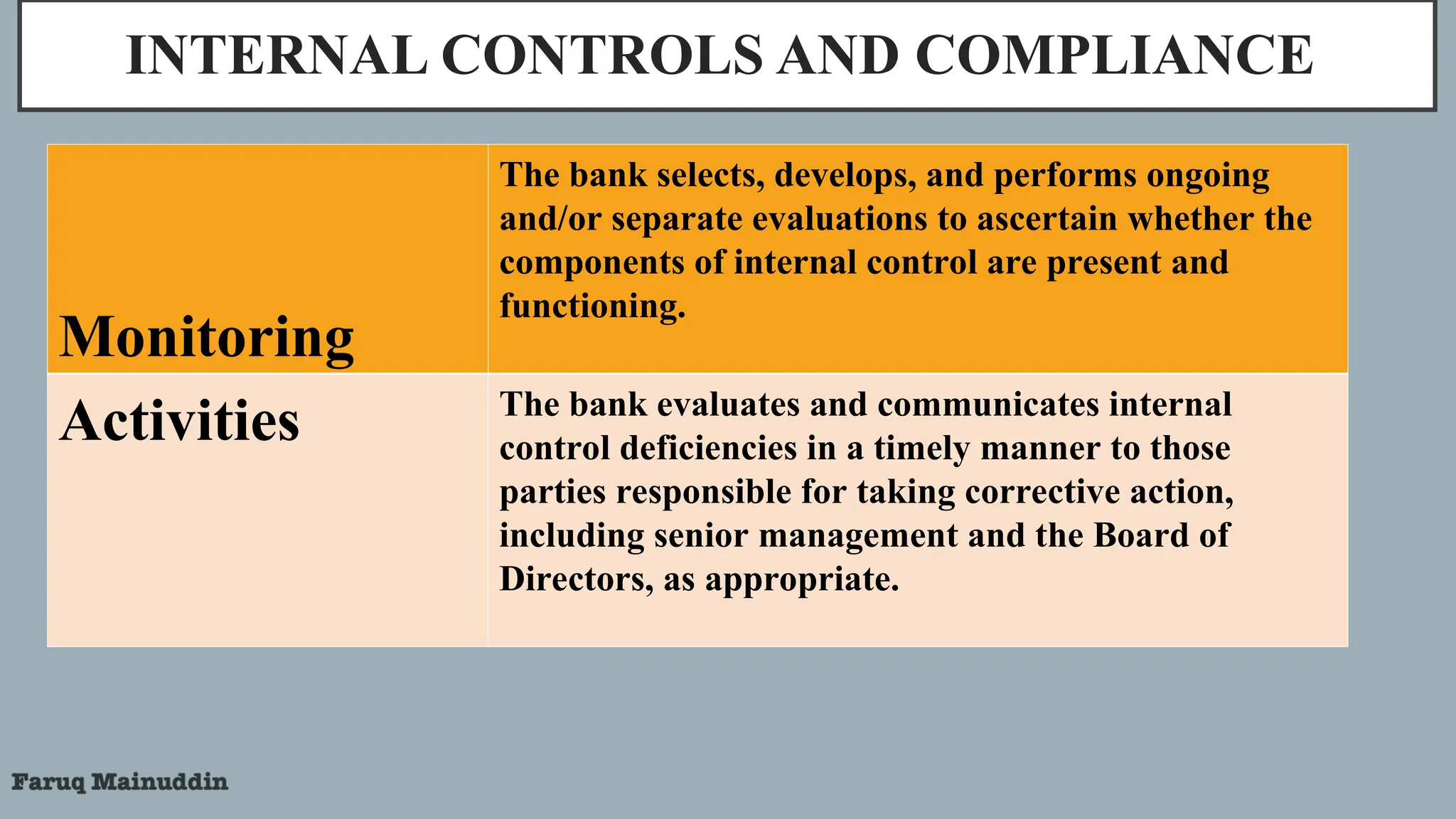
Monitoring
The bank selects, develops, and performs ongoing
and/or separate evaluations to ascertain whether the
components of internal control are present and
functioning.
Activities The bank evaluates and communicates internal
control deficiencies in a timely manner to those
parties responsible for taking corrective action,
including senior management and the Board of
Directors, as appropriate.
INTERNAL CONTROLS AND COMPLIANCE
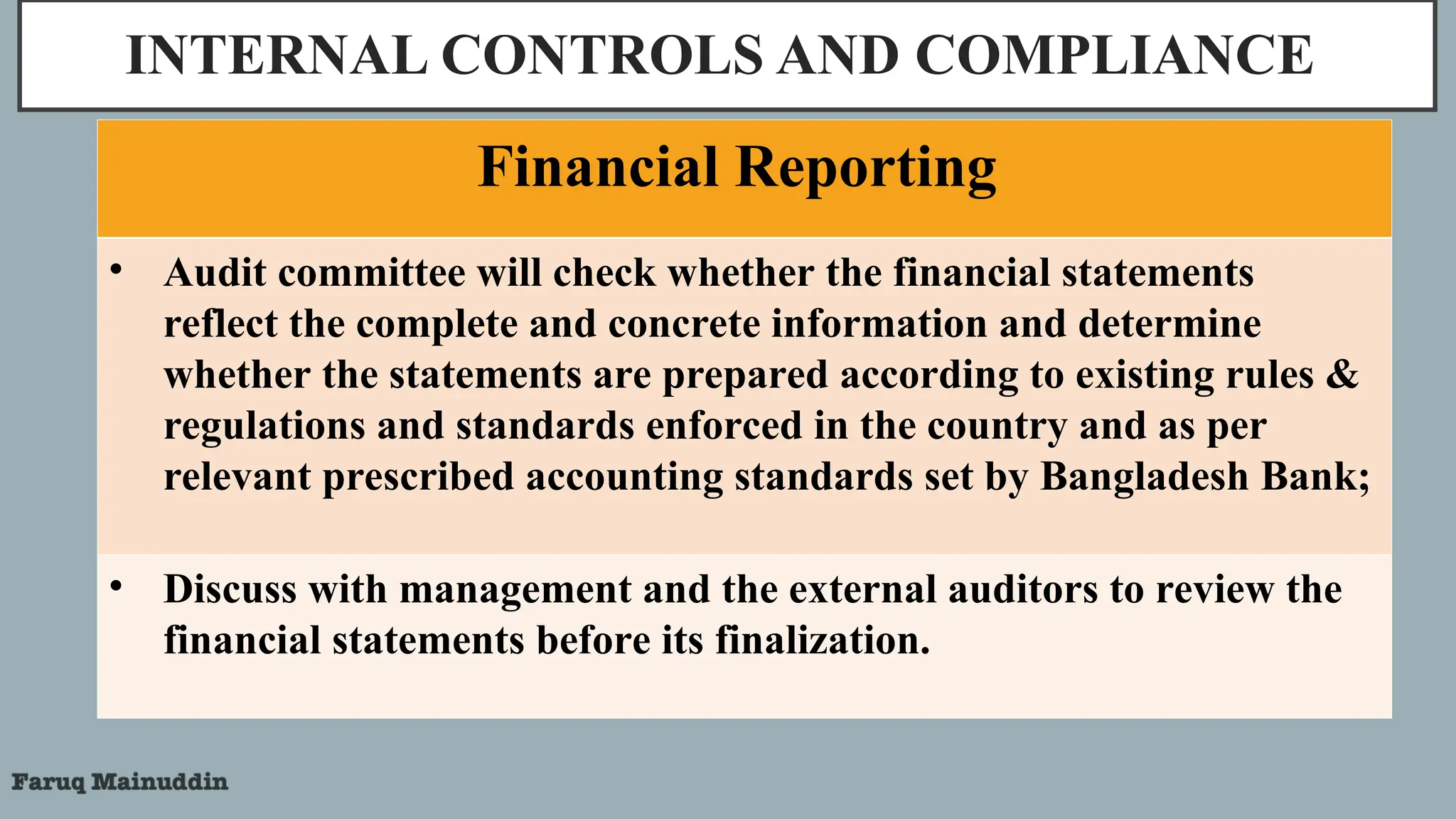
Financial Reporting
• Audit committee will check whether the financial statements
reflect the complete and concrete information and determine
whether the statements are prepared according to existing rules &
regulations and standards enforced in the country and as per
relevant prescribed accounting standards set by Bangladesh Bank;
• Discuss with management and the external auditors to review the
financial statements before its finalization.
INTERNAL CONTROLS AND COMPLIANCE
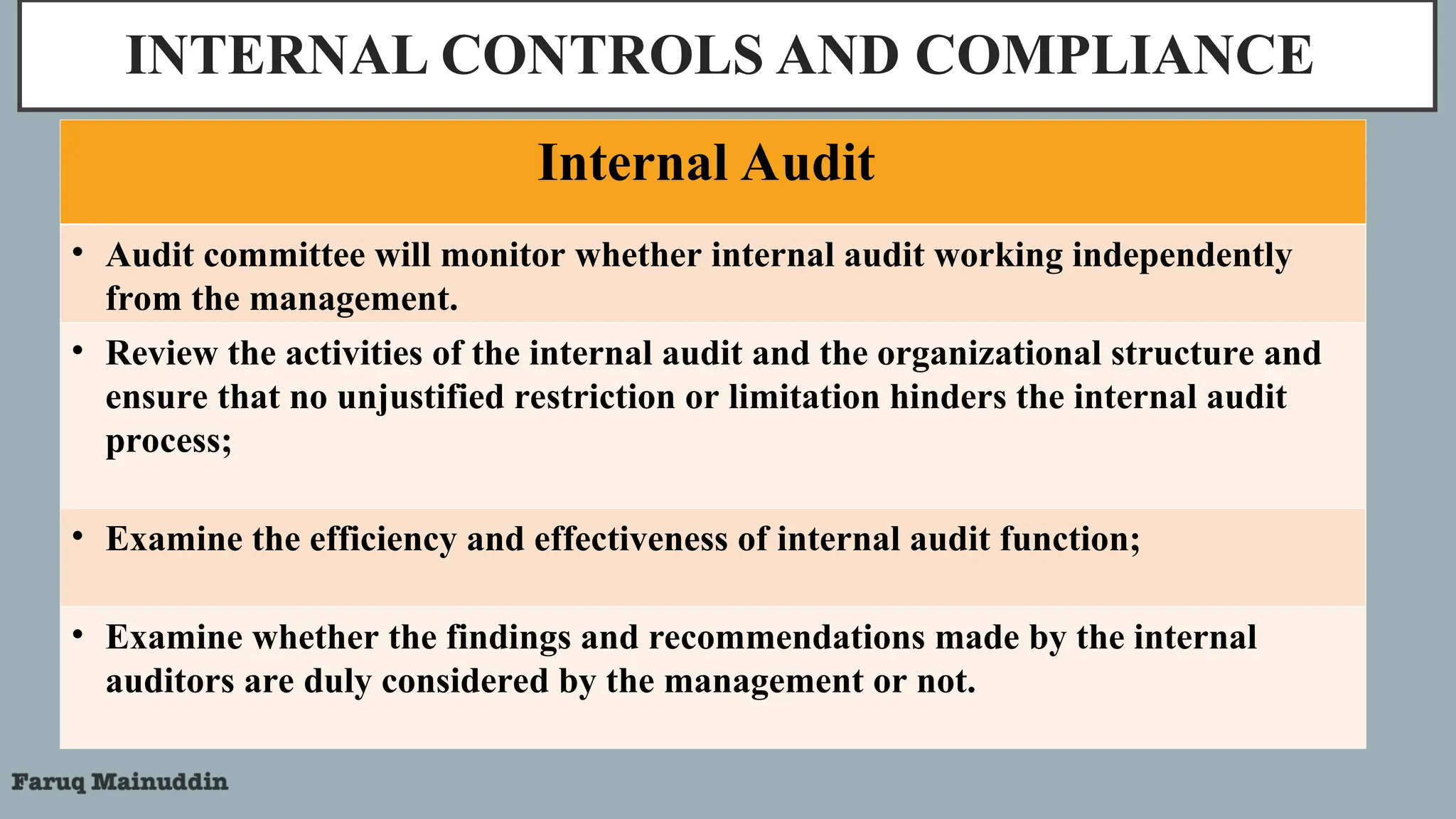
Internal Audit
• Audit committee will monitor whether internal audit working independently
from the management.
• Review the activities of the internal audit and the organizational structure and
ensure that no unjustified restriction or limitation hinders the internal audit
process;
• Examine the efficiency and effectiveness of internal audit function;
• Examine whether the findings and recommendations made by the internal
auditors are duly considered by the management or not.
INTERNAL CONTROLS AND COMPLIANCE
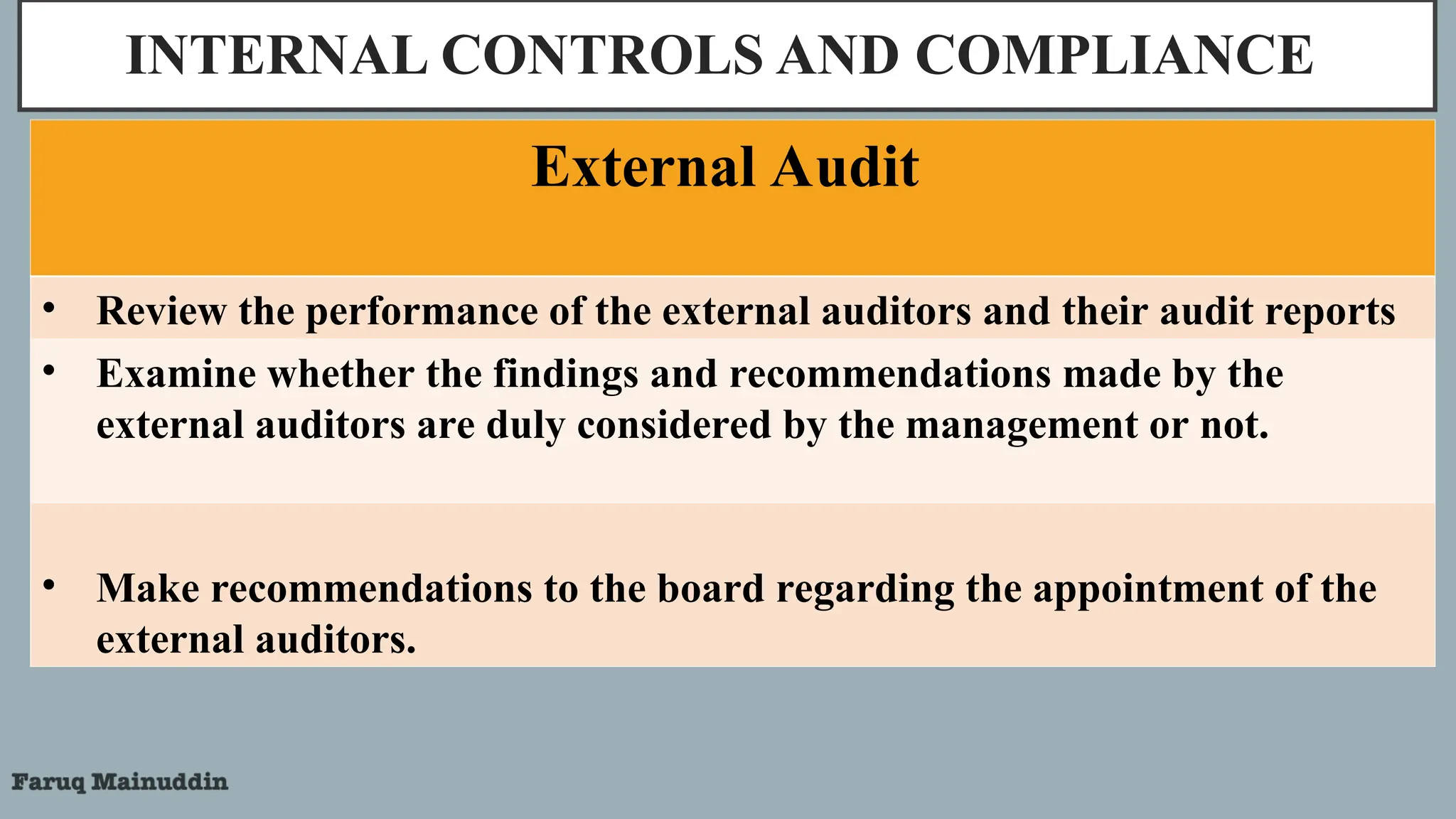
External Audit
• Review the performance of the external auditors and their audit reports
• Examine whether the findings and recommendations made by the
external auditors are duly considered by the management or not.
• Make recommendations to the board regarding the appointment of the
external auditors.
INTERNAL CONTROLS AND COMPLIANCE
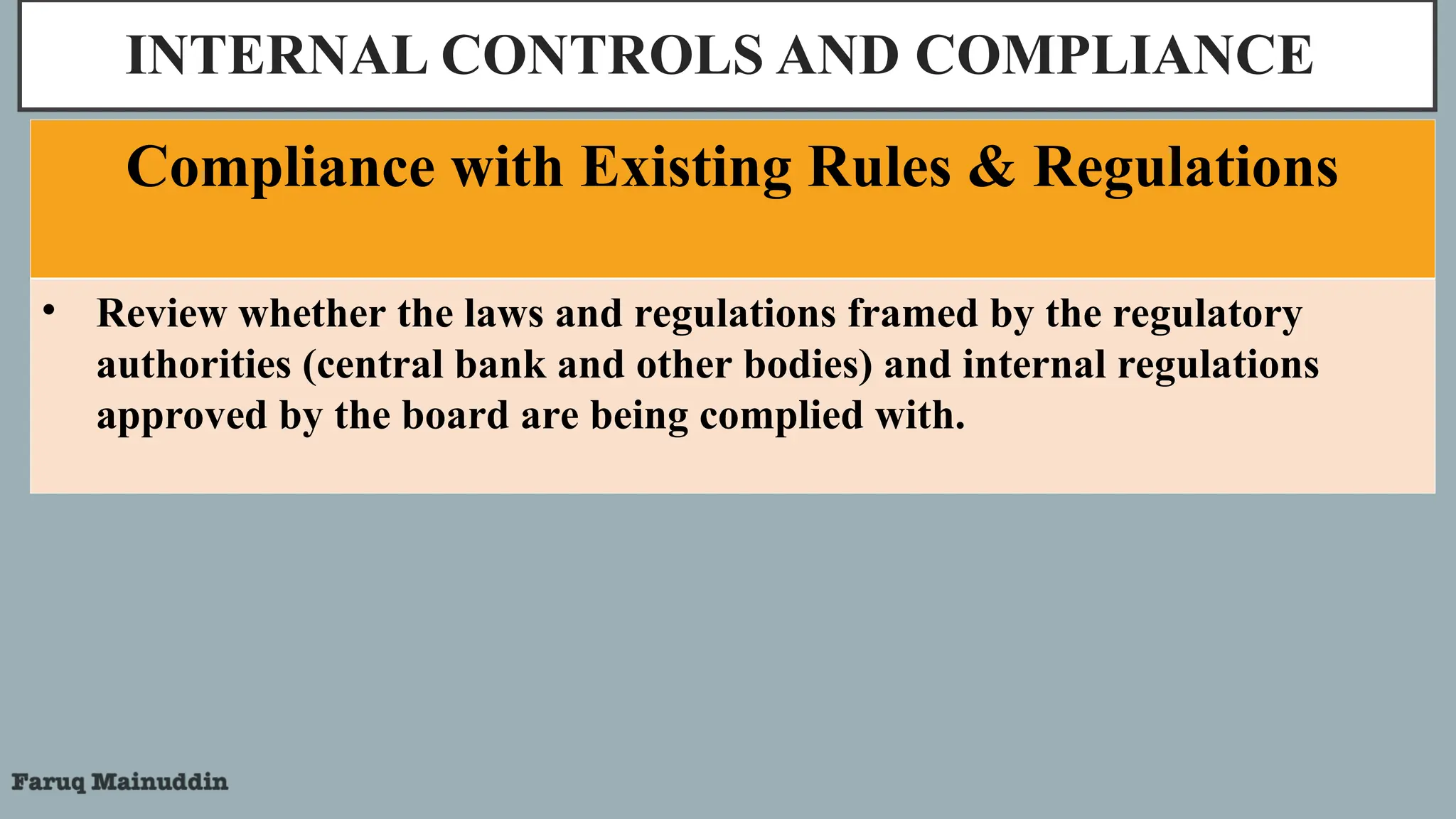
Compliance with Existing Rules & Regulations
• Review whether the laws and regulations framed by the regulatory
authorities (central bank and other bodies) and internal regulations
approved by the board are being complied with.
INTERNAL CONTROLS AND COMPLIANCE
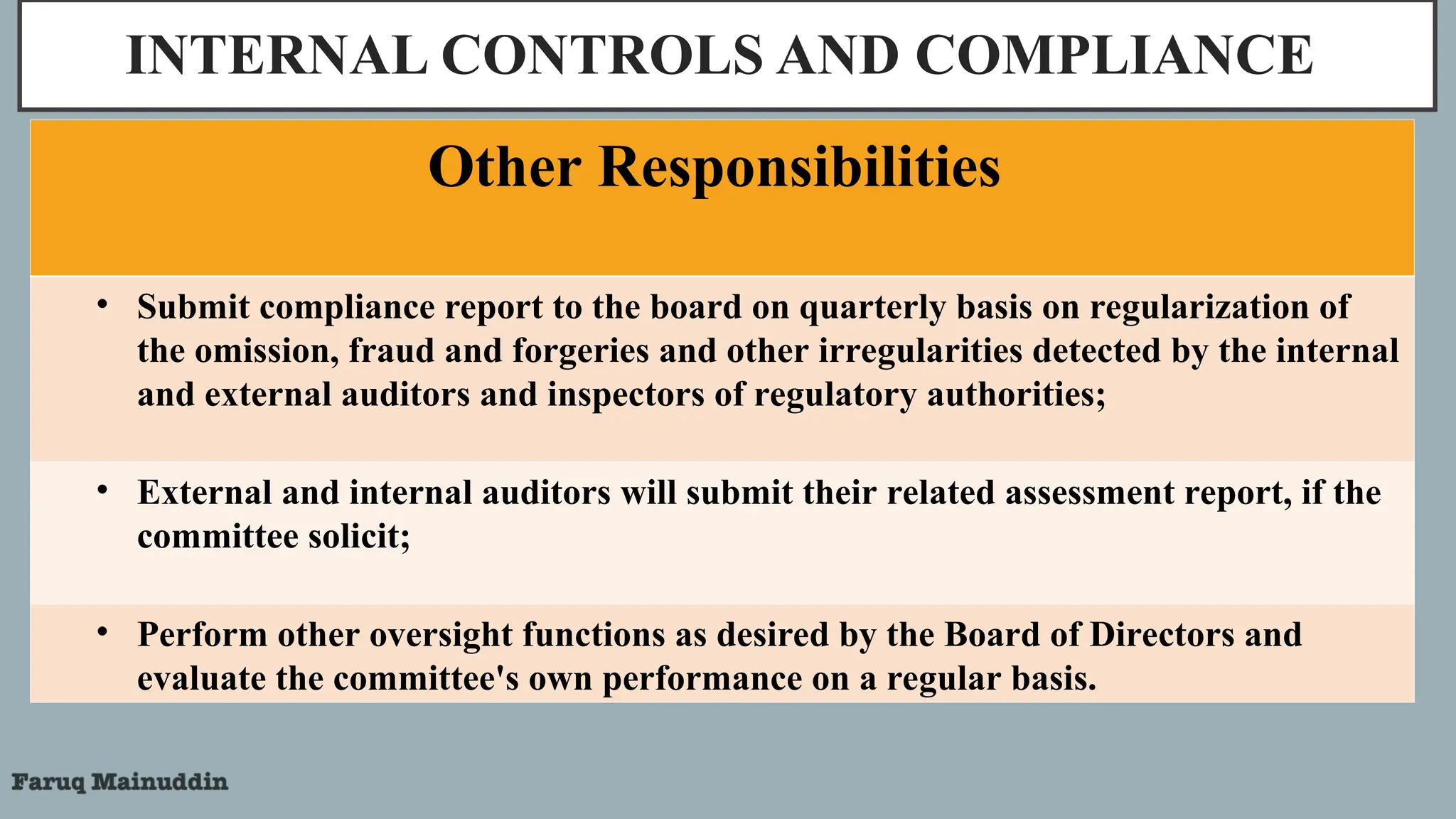
Other Responsibilities
• Submit compliance report to the board on quarterly basis on regularization of
the omission, fraud and forgeries and other irregularities detected by the internal
and external auditors and inspectors of regulatory authorities;
• External and internal auditors will submit their related assessment report, if the
committee solicit;
• Perform other oversight functions as desired by the Board of Directors and
evaluate the committee's own performance on a regular basis.
INTERNAL CONTROLS AND COMPLIANCE
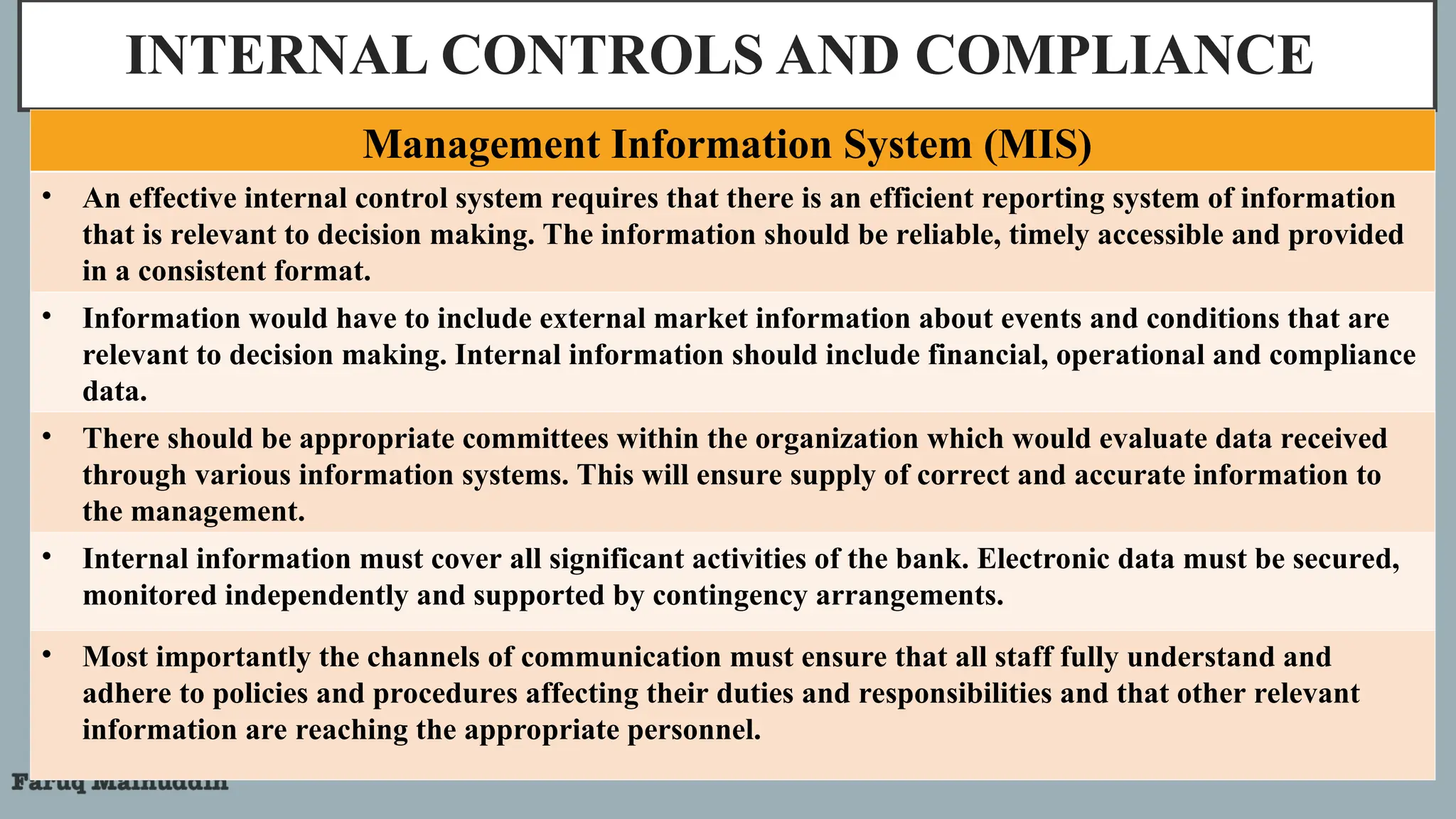
Management Information System (MIS)
• An effective internal control system requires that there is an efficient reporting system of information
that is relevant to decision making. The information should be reliable, timely accessible and provided
in a consistent format.
• Information would have to include external market information about events and conditions that are
relevant to decision making. Internal information should include financial, operational and compliance
data.
• There should be appropriate committees within the organization which would evaluate data received
through various information systems. This will ensure supply of correct and accurate information to
the management.
• Internal information must cover all significant activities of the bank. Electronic data must be secured,
monitored independently and supported by contingency arrangements.
• Most importantly the channels of communication must ensure that all staff fully understand and
adhere to policies and procedures affecting their duties and responsibilities and that other relevant
information are reaching the appropriate personnel.

Corporate Gov in banks.pptsaassasssssssssssssssss

  • 12.
  • 15.
  • 16.
    Differences between shareholdersand stakeholders: The person holding the shares of the company is known as Shareholders. The party having a stake in the company or organization is known as Stakeholder. Shareholders are the owners of the company as they had bought the financial shares, issued by the company. Conversely, Stakeholders are the interested parties who affect or gets affected by the company’s policies and objectives. All shareholders are stakeholders, All stakeholders are not the shareholders Shareholders lay emphasis on the return on their investment. Stakeholders focuses on the performance, profitability, and liquidity. Only the company limited by shares have shareholders Every company have stakeholders, like government agencies and other parties.
  • 17.
    Shareholders Equity Shareholders: Theholders of the ordinary shares of the company. At the time of the liquidation of the company they are repaid at the end. Preference Shareholders: Preference Shareholders are the one who gets priority over Equity Shareholders in the payment of dividend at a fixed rate and repayment of capital it the event of winding up of the company.
  • 24.
    CENTRAL BANKS ROLEIN GOVERNANCE OF BANKS
  • 25.
    CENTRAL BANKS ROLEIN GOVERNANCE OF BANKS Vacation of Office of Directors •When a bank director becomes defaulter and does not repay the loan within two months after getting a notice under the section 17 of the Bank Company Act, 1991; provides false statement at the time of appointment; or fails to fulfill the minimum eligibility criteria, the office of the director will be vacated. •If the office of a director is vacated by a notice under the section 17, the person will not be eligible to become a director of the bank or any other bank or any financial institution for one year from the date of repayment of the loan. The dues can also be adjusted with the shares held by the director in that bank. When a director receives a notice under section 17 of the BCA, 1991, he/she can’t transfer his/her shares of that bank until he/she repays all the liabilities of the noticed bank or financial institution. •Besides, Bangladesh Bank can remove a director or chairman of a bank, except state owned banks, for conducting any kind of activities that is detrimental to the interest of the banks depositors or against the public interest and can supersede the board of a banking company.
  • 26.
    CENTRAL BANKS ROLEIN GOVERNANCE OF BANKS According to section 108(2) of the Companies Act, 1994, with the prior approval of Bangladesh Bank, a bank director other than specialized banks can be removed from his office for the reason specified in its Articles of Association. For this purpose, the reason and grounds of the dismissal/removal and copy of the decision of the board and list of directors should be submitted to Bangladesh Bank. In this case, the removal will be effective from the date of Bangladesh Bank’s approval.
  • 27.
    CENTRAL BANKS ROLEIN GOVERNANCE OF BANKS
  • 28.
    CENTRAL BANKS ROLEIN GOVERNANCE OF BANKS Responsibilities of the Chairman of the Board 1.Does not personally possess the jurisdiction to apply policy making or executive authority, he/she shall not participate in or interfere into the administrative or operational and routine affairs of the bank. 2.The chairman may conduct on-site inspection of any bank-branch or financing activities under the purview of the oversight responsibilities of the board. 3.The chairman may be offered an office-room, a personal secretary/assistant, one peon/MLSS, one telephone at the office, one mobile phone to use inside the country and a vehicle in the business-interest of the bank subject to the approval of the board.
  • 29.
    CENTRAL BANKS ROLEIN GOVERNANCE OF BANKS Executive Committee Organizational Structure  Members of the committee will be nominated by the board of directors from themselves;  The executive committee will comprise of maximum 07 (seven) members;  Members may be appointed for a 03 (three)-year term of office;  Chairman of the Board of Directors can be the chairman of executive committee;  Company secretary of the bank will be the secretary of the executive committee.
  • 30.
    CENTRAL BANKS ROLEIN GOVERNANCE OF BANKS Executive Committee………….contd. Qualification of the Members  Integrity, dedication, and opportunity to spare time in the functions of committee will have to be considered while nominating a director to the committee;  Each member should be capable of making valuable and effective contributions in the functioning of the committee;  To perform his or her role effectively each committee member should have adequate understanding of the detailed responsibilities of the committee membership as well as the bank's business, operations and its risks.
  • 31.
    CENTRAL BANKS ROLEIN GOVERNANCE OF BANKS Executive Committee………….contd. Roles & Responsibilities of the Executive Committee The executive committee can decide or can act in those cases as instructed by the Board of directors that are not specifically assigned on full board through the Bank Company Act, 1991 and other laws and regulations. The executive committee can take all necessary decision or can approve cases within power delegated by the board of directors. All decisions taken in the executive committee should be ratified in the next board meeting.
  • 32.
    CENTRAL BANKS ROLEIN GOVERNANCE OF BANKS Executive Committee………….contd. Meetings The executive committee can sit any time as it may deem fit. The committee may invite Chief Executive Officer, Head of internal audit or any other Officer to its meetings, if it deems necessary; To ensure active participation and contribution by the members, a detailed memorandum should be distributed to committee members well in advance before each meeting; All decisions/observations of the committee should be noted in minutes.
  • 33.
    CENTRAL BANKS ROLEIN GOVERNANCE OF BANKS Audit Committee Organizational Structure Members of the committee will be nominated by the board of directors from the directors; The audit committee will comprise of maximum 05 (five) members, with minimum 2 (two) independent director; Audit committee will comprise with directors who are not executive committee members; Members may be appointed for a 03 (three) year term of office; Company secretary of the bank will be the secretary of the audit committee.
  • 34.
    CENTRAL BANKS ROLEIN GOVERNANCE OF BANKS Audit Committee…….contd. Qualification of the Members Integrity, dedication, and opportunity to spare time in the functions of committee will have to be considered while nominating a director to the committee ; Each member should be capable of making valuable and effective contributions in the functioning of the committee; To perform his or her role effectively each committee member should have adequate understanding of the detailed responsibilities of the committee membership as well as the bank's business, operations and its risks. Professionally Experienced persons in banking/financial institutions specially having educational qualification in Finance, Banking, Management, Economics, Accounting will get preference in forming the committee.
  • 35.
    CENTRAL BANKS ROLEIN GOVERNANCE OF BANKS Audit Committee…….contd. Roles & Responsibilities of Audit Committee Internal Control Financial Reporting Internal Audit External Audit Compliance with Existing Rules & Regulations Other Responsibilities.
  • 36.
    CENTRAL BANKS ROLEIN GOVERNANCE OF BANKS Audit Committee…….contd. Meetings The audit committee should hold at least 4 meetings in a year and it can sit any time as it may deems fit; The committee may invite Chief Executive Officer, Head of internal audit or any other Officer to its meetings, if it deems necessary; To ensure active participation and contribution by the members, a detailed memorandum should be distributed to committee members well in advance before each meeting; All decisions/observations of the committee should be noted in minutes.
  • 37.
    CENTRAL BANKS ROLEIN GOVERNANCE OF BANKS Risk Management Committee Organizational Structure Members of the committee will be nominated by the board of directors from themselves; The Risk Management Committee will comprise of maximum 05 (five) members; Members may be appointed for a 03 (three) year term of office; Company secretary of the bank will be the secretary of the Risk Management Committee.
  • 38.
    CENTRAL BANKS ROLEIN GOVERNANCE OF BANKS Risk Management Committee……..contd. Qualification of the Members Integrity, dedication, and opportunity to spare time in the functions of committee will have to be considered while nominating a director to the committee; Each member should be capable of making valuable and effective contributions in the functioning of the committee; To perform his or her role effectively each committee member should have adequate understanding of the detailed responsibilities of the committee membership as well as the bank's business, operations and its risks.
  • 39.
    CENTRAL BANKS ROLEIN GOVERNANCE OF BANKS Risk Management Committee……..contd. Roles & Responsibilities of the Risk Management Committee Risk Identification & Control Policy. Construction of Organizational Structure. Analysis & Approval of Risk Management Policy. Storage of Data & Reporting System. Monitoring the Implementation of Overall Risk Management Policy. Other Responsibilities
  • 40.
    CENTRAL BANKS ROLEIN GOVERNANCE OF BANKS Risk Management Committee……..contd. Meetings The risk management committee should hold at least 4 meetings in a year and it can sit any time as it may deems fit; The committee may invite Chief Executive Officer, Chief Risk Officer and any other Officer to its meetings, if it deems necessary; To ensure active participation and contribution by the members, a detailed memorandum should be distributed to committee members well in advance before each meeting; All decisions/observations of the committee should be noted in minutes.
  • 41.
    CENTRAL BANKS ROLEIN GOVERNANCE OF BANKS
  • 42.
    CENTRAL BANKS ROLEIN GOVERNANCE OF BANKS In terms of the financial, business and administrative authorities vested upon him by the board, the CEO shall discharge his own responsibilities. The CEO shall ensure compliance of the Banking Companies Act, 1991 and other relevant laws and regulations in discharging routine functions of the bank. While presenting any memorandum in the Board or Board Committee Meeting, the CEO must point out if there is any deviation from BCA, 1991 and other relevant laws and regulations. The CEO shall report to Bangladesh Bank any violation of the Banking Companies Act,1991 or of other laws/regulations. The recruitment and promotion of all staff except those in the two tiers below him Authority relating to transfer of and disciplinary measures against the staff, except those at two tiers below shall rest on him, which he shall apply in accordance with the approved service rules.
  • 43.
    CENTRAL BANKS ROLEIN GOVERNANCE OF BANKS
  • 44.
    CENTRAL BANKS ROLEIN GOVERNANCE OF BANKS
  • 45.
    CENTRAL BANKS ROLEIN GOVERNANCE OF BANKS
  • 46.
    CENTRAL BANKS ROLEIN GOVERNANCE OF BANKS
  • 47.
    CENTRAL BANKS ROLEIN GOVERNANCE OF BANKS
  • 48.
    CENTRAL BANKS ROLEIN GOVERNANCE OF BANKS
  • 49.
    CENTRAL BANKS ROLEIN GOVERNANCE OF BANKS
  • 50.
    CENTRAL BANKS ROLEIN GOVERNANCE OF BANKS
  • 51.
    CENTRAL BANKS ROLEIN GOVERNANCE OF BANKS
  • 53.
  • 54.
    INTERNAL CONTROLS ANDCOMPLIANCE 1. Operations Objectives achievement of a bank’s basic mission and vision. 2. Reporting Objectives timely, accurate, and comprehensive reporting, financial and non- financial, internal and external. 3. Compliance Objectives conducting activities and taking specific actions in accordance with applicable laws and regulations.
  • 55.
    INTERNAL CONTROLS ANDCOMPLIANCE The Operations Objectives are critical to the long-term survival of the bank and distinguish it from its competitors. For example, the bank’s mission and vision can translate into operations objectives such as financial performance (the size, profitability, liquidity, and capital adequacy of the bank); productivity (minimizing operating expenses); customer and employee satisfaction, achievement of social goals (corporate social responsibility, financial inclusion); safeguarding of assets (preventing unauthorized acquisition, use, or disposition); and others. Operations objectives also include compliance with a bank’s internal policies and procedures. Operations Objectives
  • 56.
  • 57.
    INTERNAL CONTROLS ANDCOMPLIANCE The Compliance Objectives
  • 58.
    INTERNAL CONTROLS ANDCOMPLIANCE The bank demonstrates a commitment to integrity and ethical values. The BoD demonstrates independence from management and exercises oversight of the development and performance of internal control. Control Environment Management establishes, with board oversight, structures, reporting lines, and appropriate authorities and responsibilities the pursuit of objectives. The bank demonstrates a commitment to attract, develop, and retain competent individuals in alignment with objectives. The bank holds individuals accountable for their internal control responsibilities in pursuit of objectives.
  • 59.
    INTERNAL CONTROLS ANDCOMPLIANCE The bank specifies objectives with sufficient clarity to enable the identification and assessment of risks relating to objectives. Risk Assessment The bank identifies risks to the achievement of its objectives across the bank and analyzes risks as a basis for determining how the risks should be managed. The bank considers the potential for fraud in assessing risks to the achievement of objectives. The bank identifies and assesses changes that could significantly impact the system of internal control
  • 60.
    INTERNAL CONTROLS ANDCOMPLIANCE The bank selects and develops control activities that contribute to the mitigation of risks to the achievement of objectives to acceptable levels. Control Activities The bank selects and develops general control activities over technology to support the achievement of objectives. The bank deploys control activities through policies that establish what is expected and procedures that put policies into action.
  • 61.
    INTERNAL CONTROLS ANDCOMPLIANCE The bank obtains or generates and uses relevant, quality information to support the functioning of internal control. Information & Communication The bank internally communicates information, including objectives and responsibilities for internal control, necessary to support the functioning of internal control. The bank communicates with external parties regarding matters affecting the functioning of internal control.
  • 62.
    INTERNAL CONTROLS ANDCOMPLIANCE Monitoring The bank selects, develops, and performs ongoing and/or separate evaluations to ascertain whether the components of internal control are present and functioning. Activities The bank evaluates and communicates internal control deficiencies in a timely manner to those parties responsible for taking corrective action, including senior management and the Board of Directors, as appropriate.
  • 63.
    INTERNAL CONTROLS ANDCOMPLIANCE Financial Reporting • Audit committee will check whether the financial statements reflect the complete and concrete information and determine whether the statements are prepared according to existing rules & regulations and standards enforced in the country and as per relevant prescribed accounting standards set by Bangladesh Bank; • Discuss with management and the external auditors to review the financial statements before its finalization.
  • 64.
    INTERNAL CONTROLS ANDCOMPLIANCE Internal Audit • Audit committee will monitor whether internal audit working independently from the management. • Review the activities of the internal audit and the organizational structure and ensure that no unjustified restriction or limitation hinders the internal audit process; • Examine the efficiency and effectiveness of internal audit function; • Examine whether the findings and recommendations made by the internal auditors are duly considered by the management or not.
  • 65.
    INTERNAL CONTROLS ANDCOMPLIANCE External Audit • Review the performance of the external auditors and their audit reports • Examine whether the findings and recommendations made by the external auditors are duly considered by the management or not. • Make recommendations to the board regarding the appointment of the external auditors.
  • 66.
    INTERNAL CONTROLS ANDCOMPLIANCE Compliance with Existing Rules & Regulations • Review whether the laws and regulations framed by the regulatory authorities (central bank and other bodies) and internal regulations approved by the board are being complied with.
  • 67.
    INTERNAL CONTROLS ANDCOMPLIANCE Other Responsibilities • Submit compliance report to the board on quarterly basis on regularization of the omission, fraud and forgeries and other irregularities detected by the internal and external auditors and inspectors of regulatory authorities; • External and internal auditors will submit their related assessment report, if the committee solicit; • Perform other oversight functions as desired by the Board of Directors and evaluate the committee's own performance on a regular basis.
  • 68.
    INTERNAL CONTROLS ANDCOMPLIANCE Management Information System (MIS) • An effective internal control system requires that there is an efficient reporting system of information that is relevant to decision making. The information should be reliable, timely accessible and provided in a consistent format. • Information would have to include external market information about events and conditions that are relevant to decision making. Internal information should include financial, operational and compliance data. • There should be appropriate committees within the organization which would evaluate data received through various information systems. This will ensure supply of correct and accurate information to the management. • Internal information must cover all significant activities of the bank. Electronic data must be secured, monitored independently and supported by contingency arrangements. • Most importantly the channels of communication must ensure that all staff fully understand and adhere to policies and procedures affecting their duties and responsibilities and that other relevant information are reaching the appropriate personnel.