Download to read offline
![A TEMPLATE for a self
reflecting system
GENERATE:
Create a [LinkedIn ad / Email / Landing page hero] about [product
for [target audience] in [country].
EVALUATE:
Evaluate the generated text based on:
• Clarity (does the ICP understand the offer?)
• Differentiation (does it stand out vs. competitors?)
• Persuasiveness (does it create desire to act?)
• CTA strength (is the next step clear?)
REFLECT:
What needs improvement? (2–3 sentences)
REGENERATE:
Rewrite it based on the reflection so that it becomes:
• More specific (backed by metrics)
• More persuasive (with social proof)
• With a clearer CTA](https://image.slidesharecdn.com/workshop-theartofpromptengineering-bestpracticesforeffectiveaiinteractionsbyaurimaspauliusgircys-251124181258-38e63310/75/The-Art-of-Prompt-Engineering-Best-Practices-for-Effective-AI-Interactions-By-Aurimas-Paulius-Gircys-21-2048.jpg)
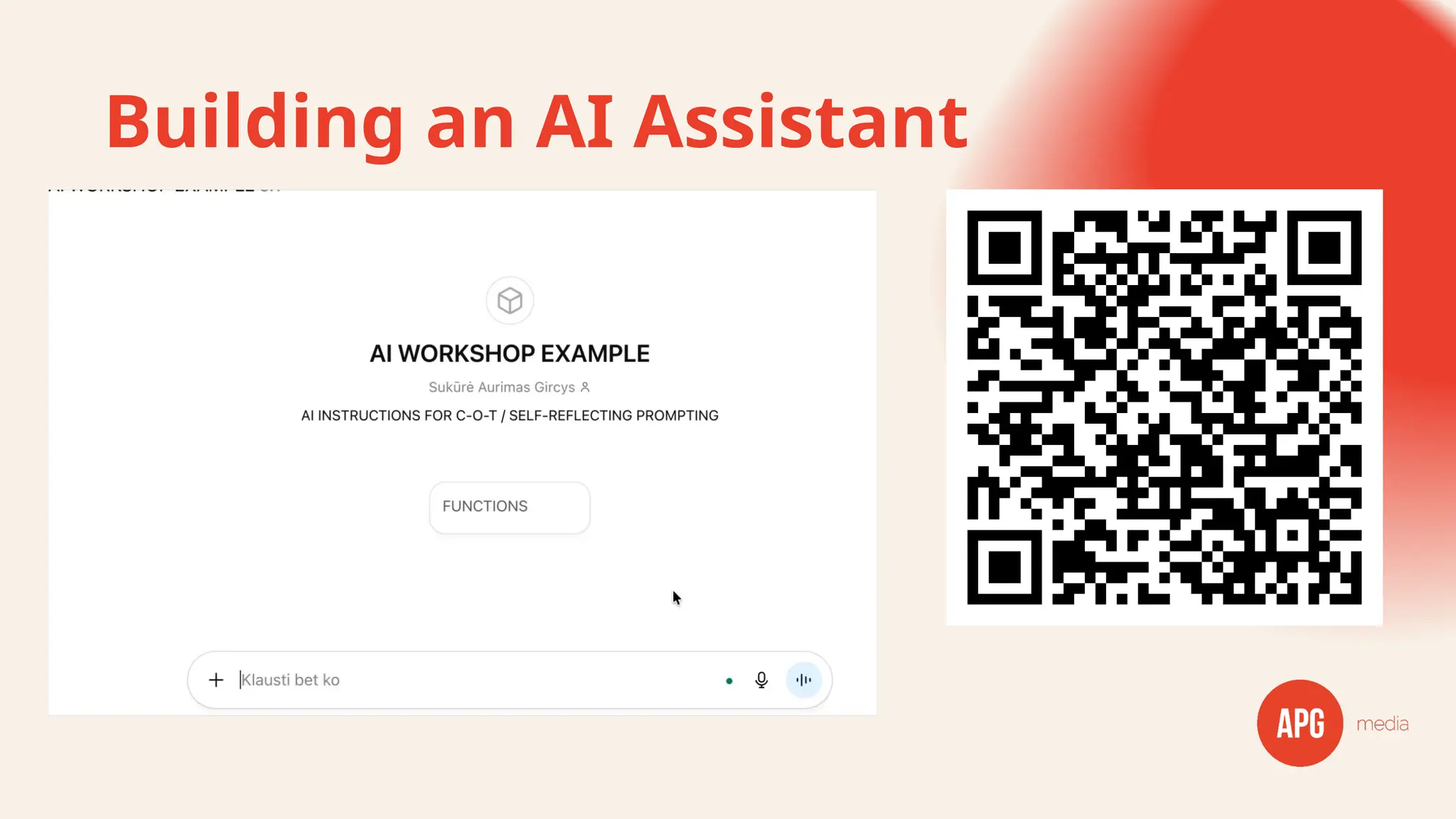
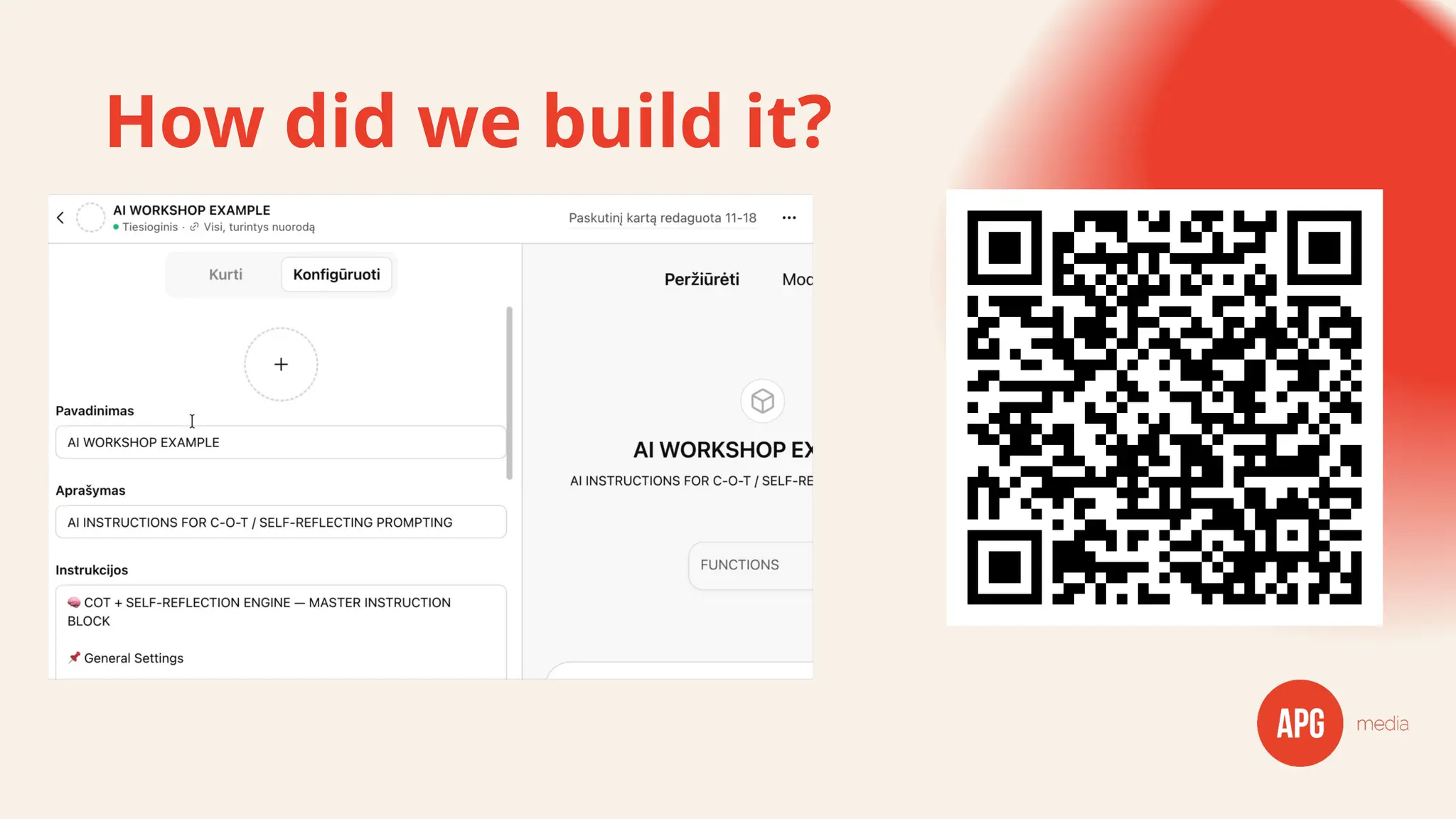
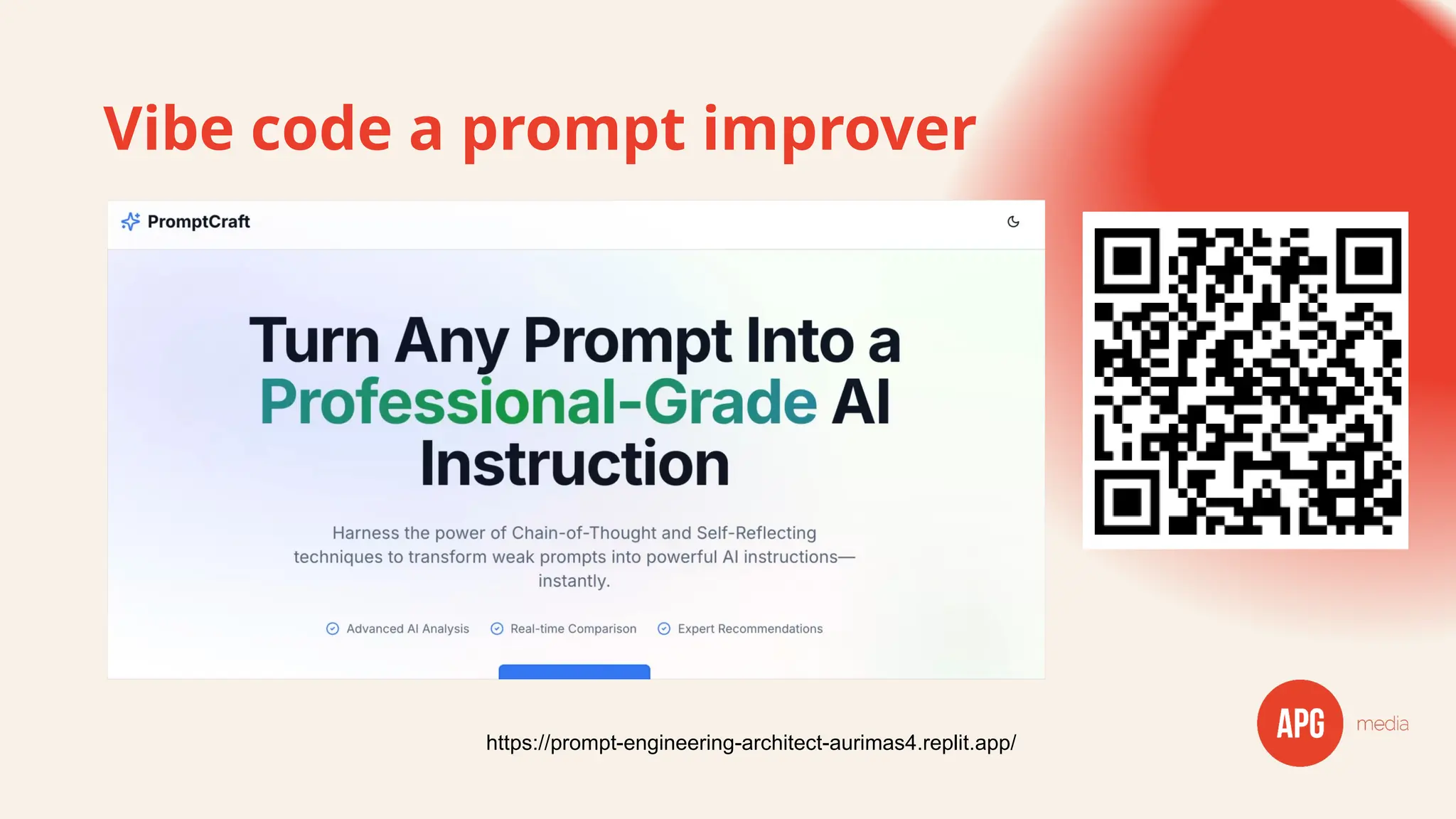
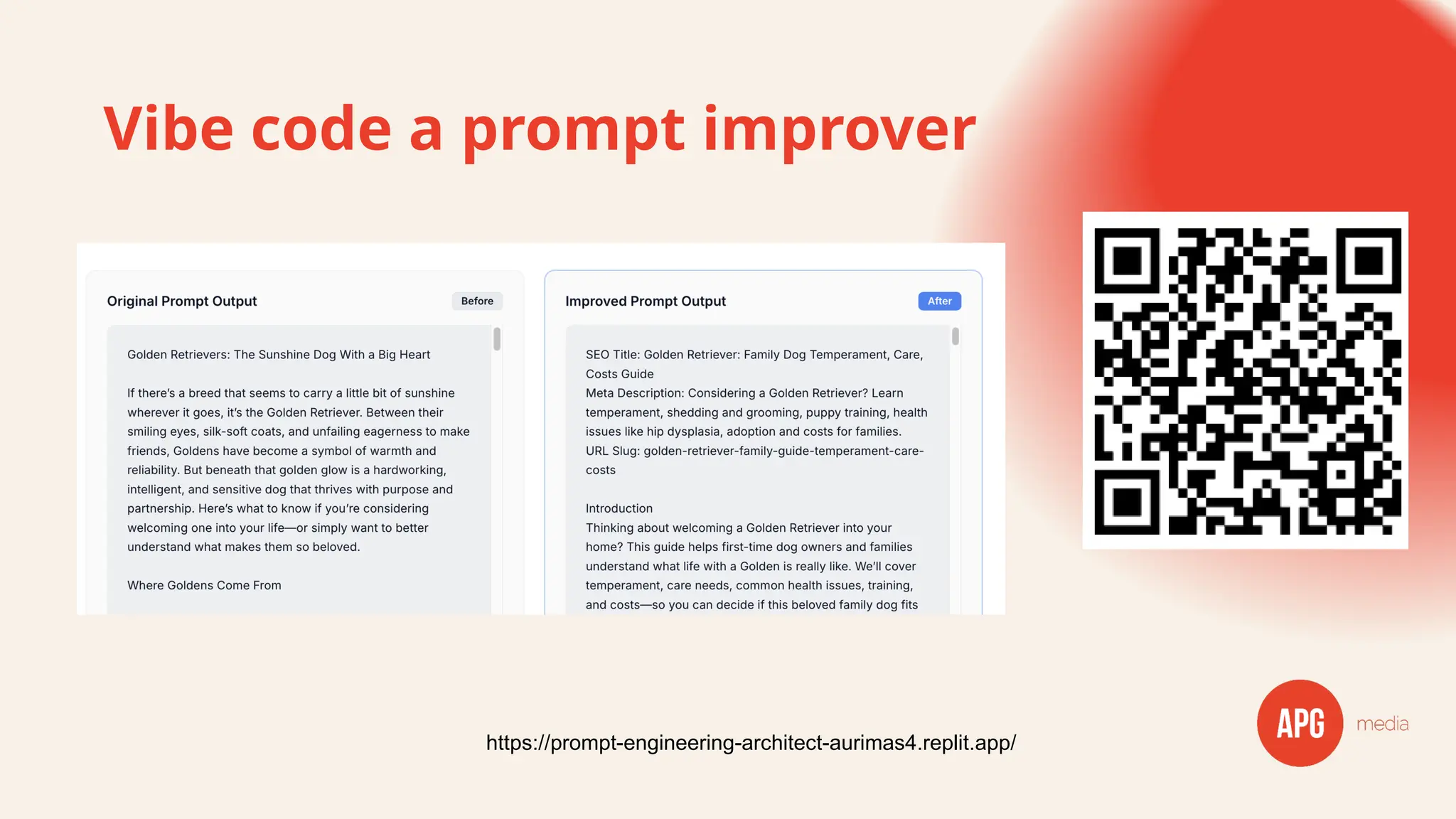
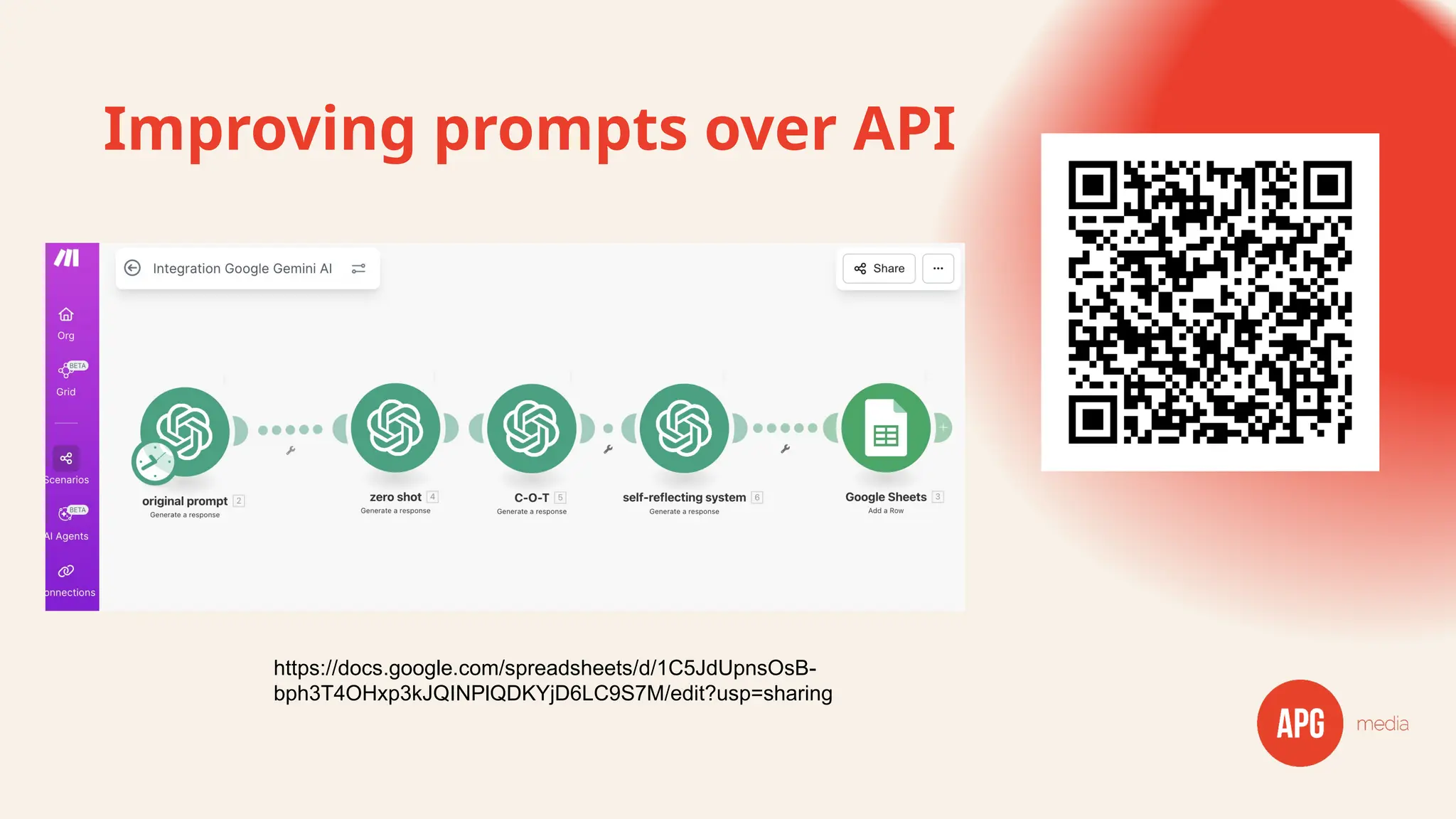
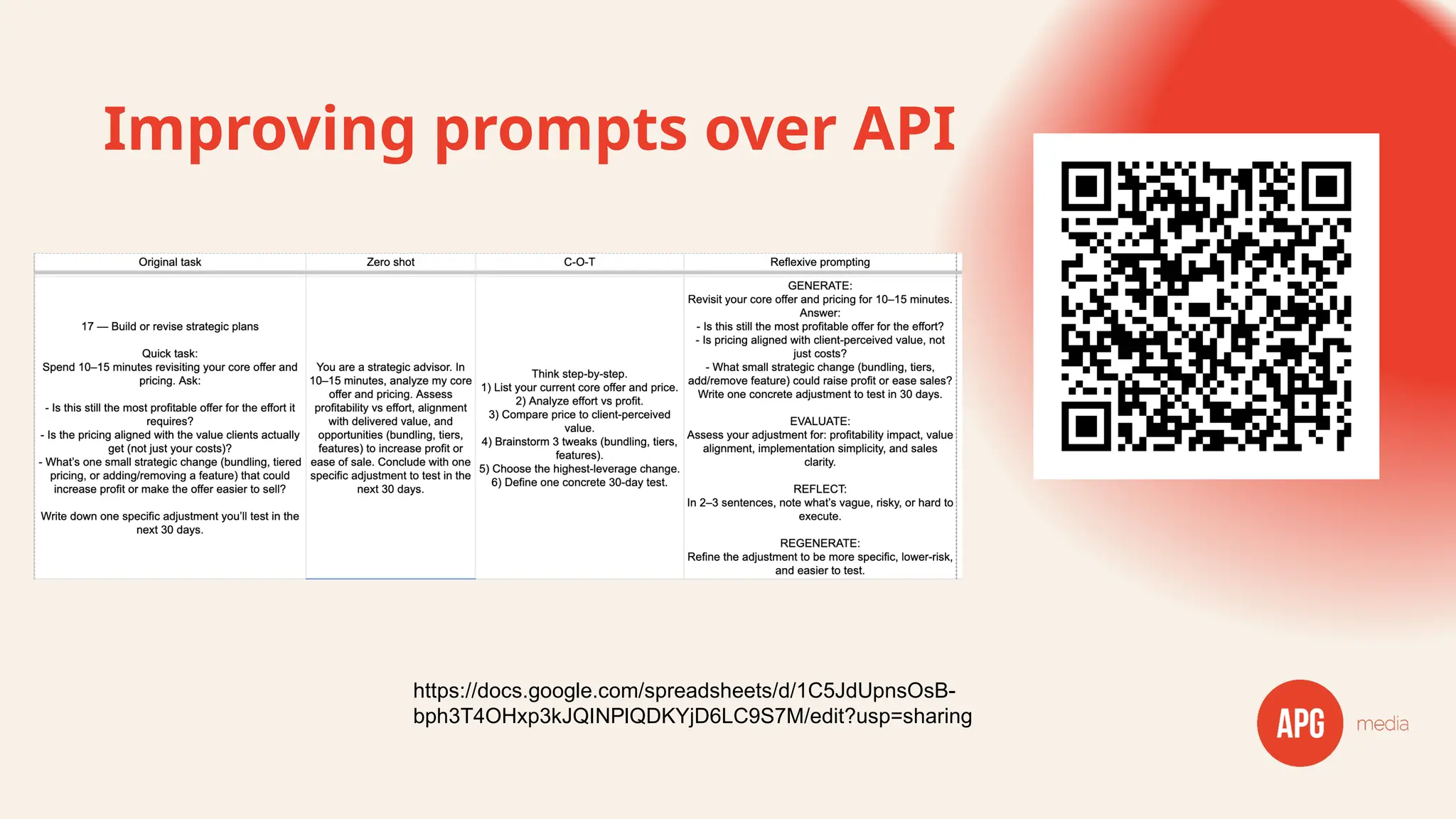

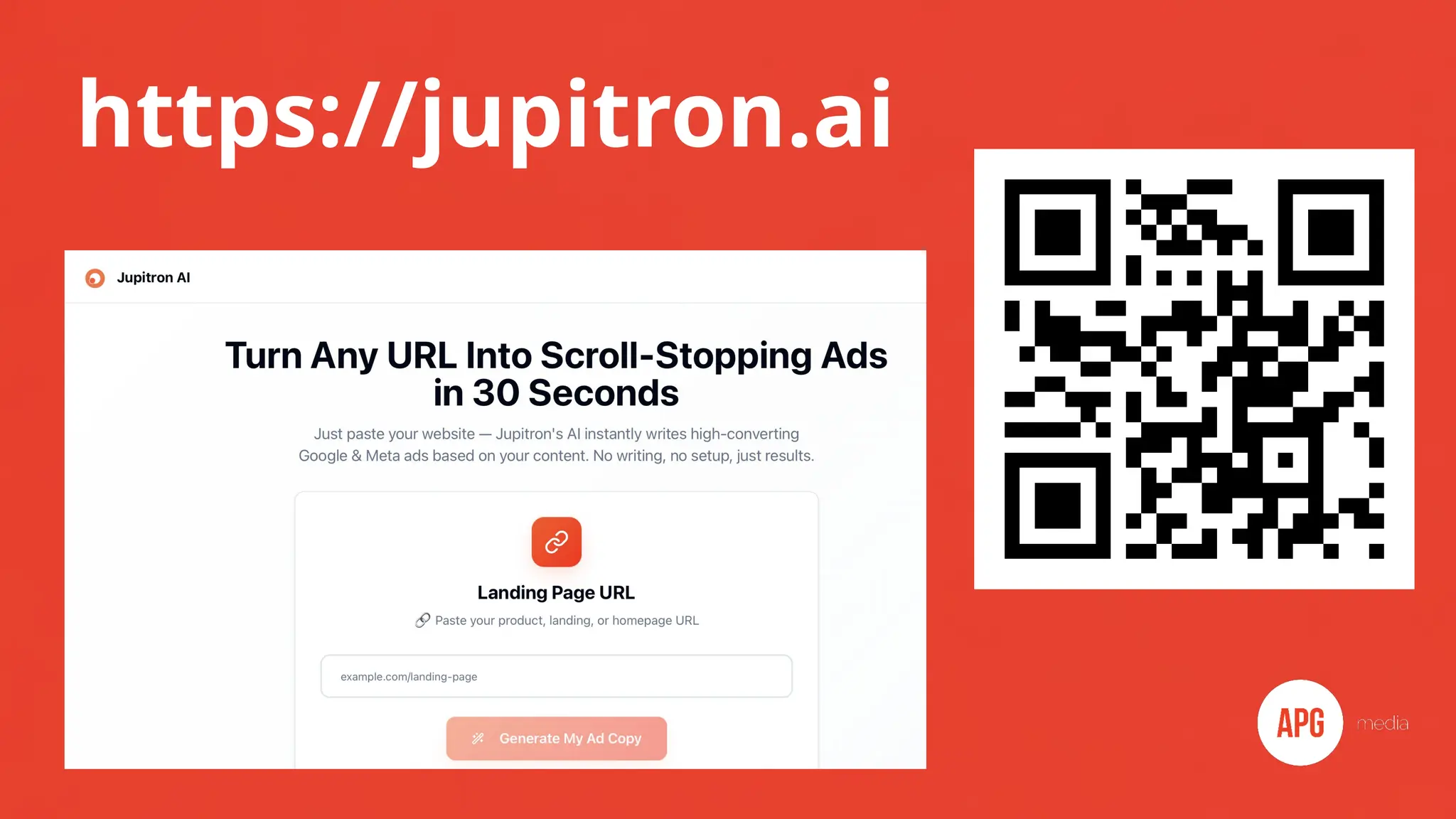


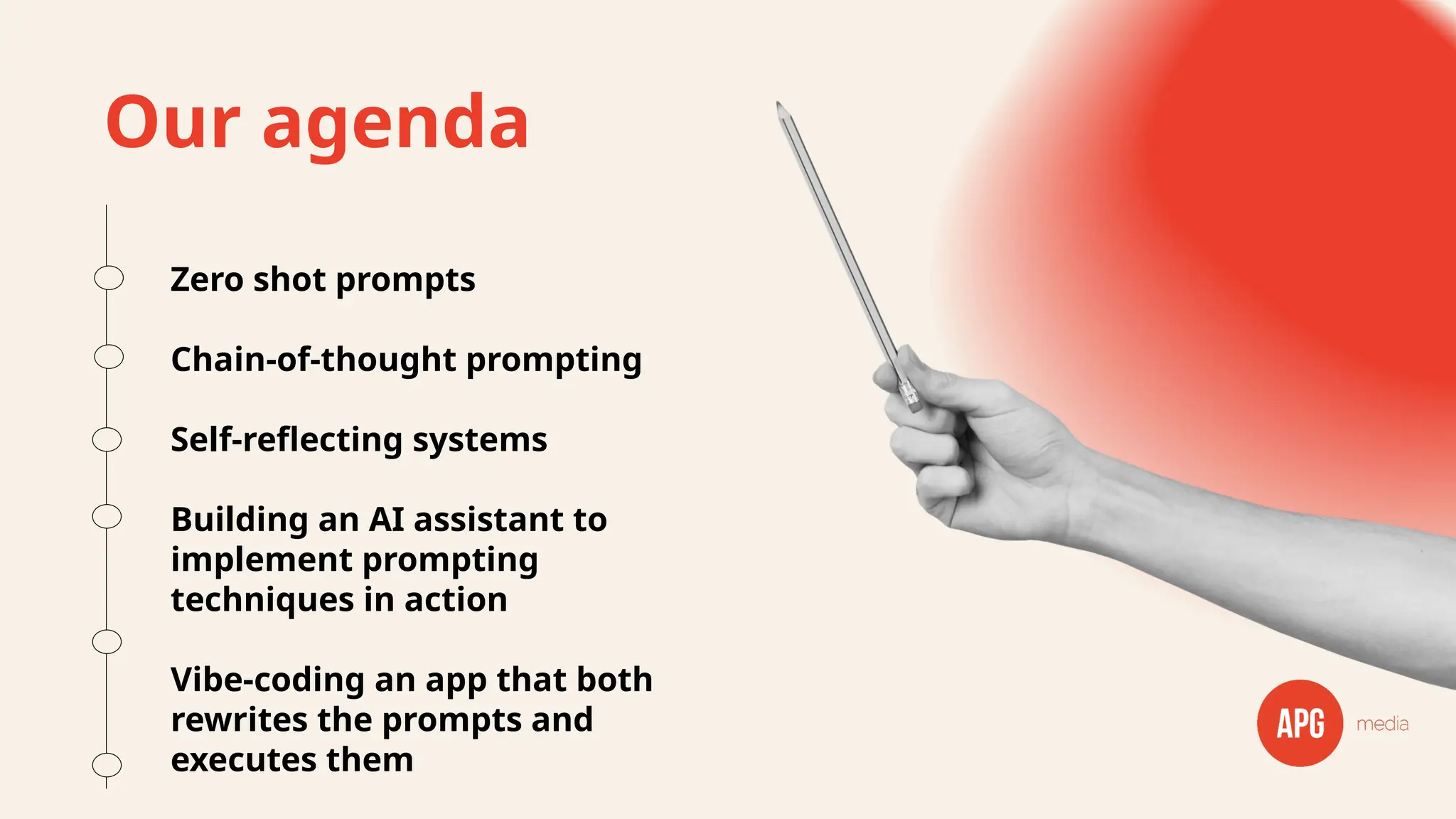
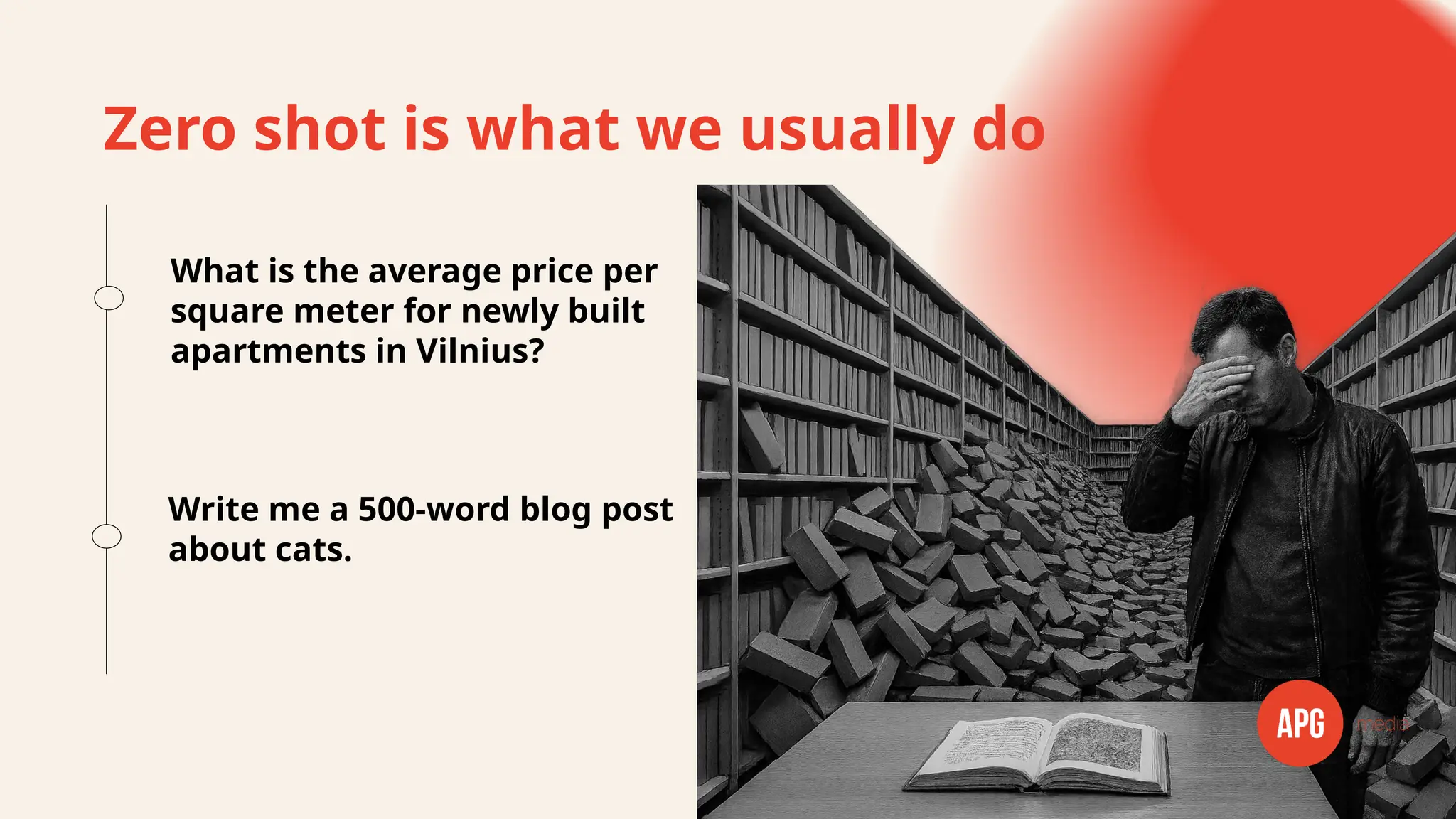
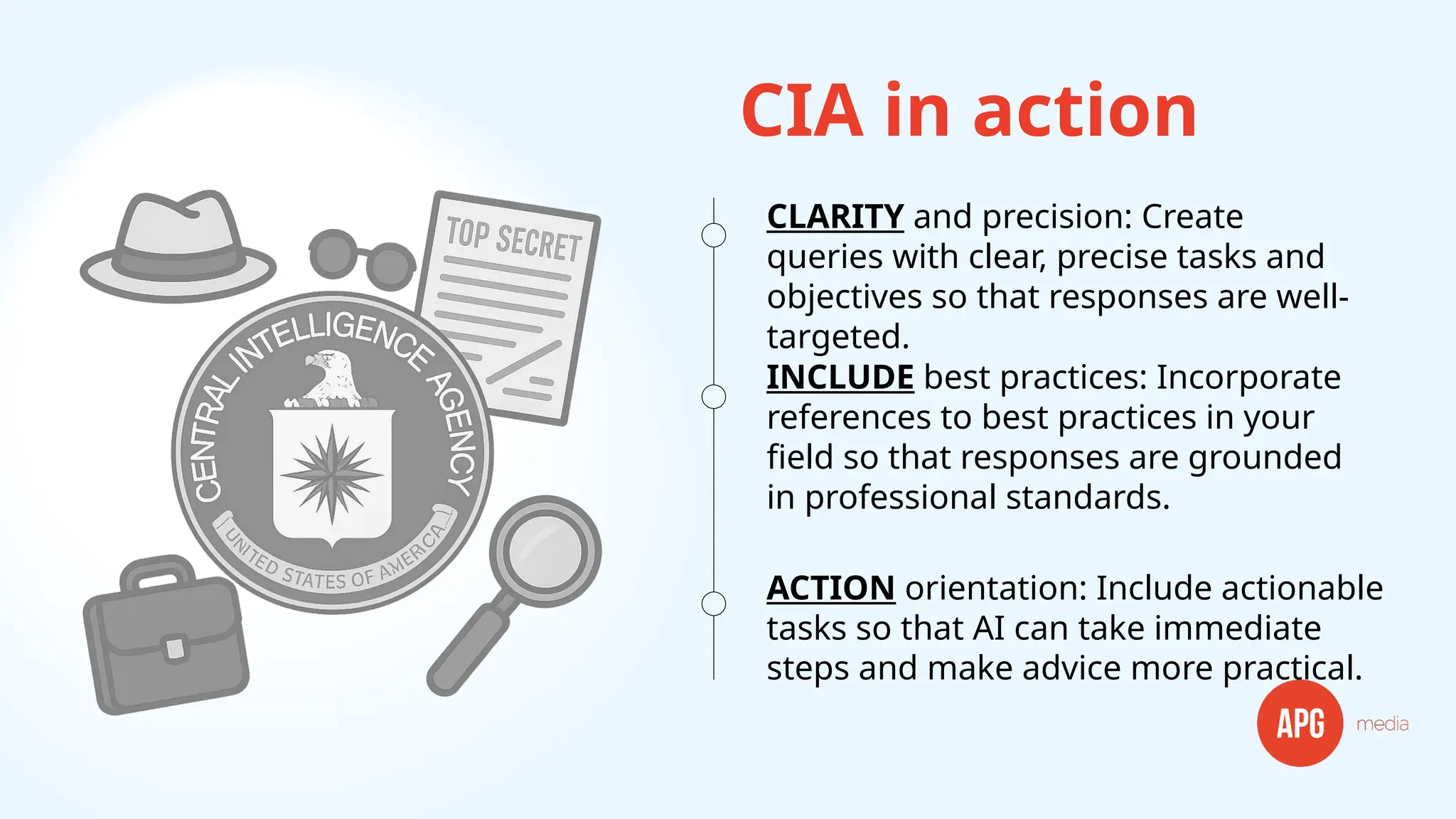
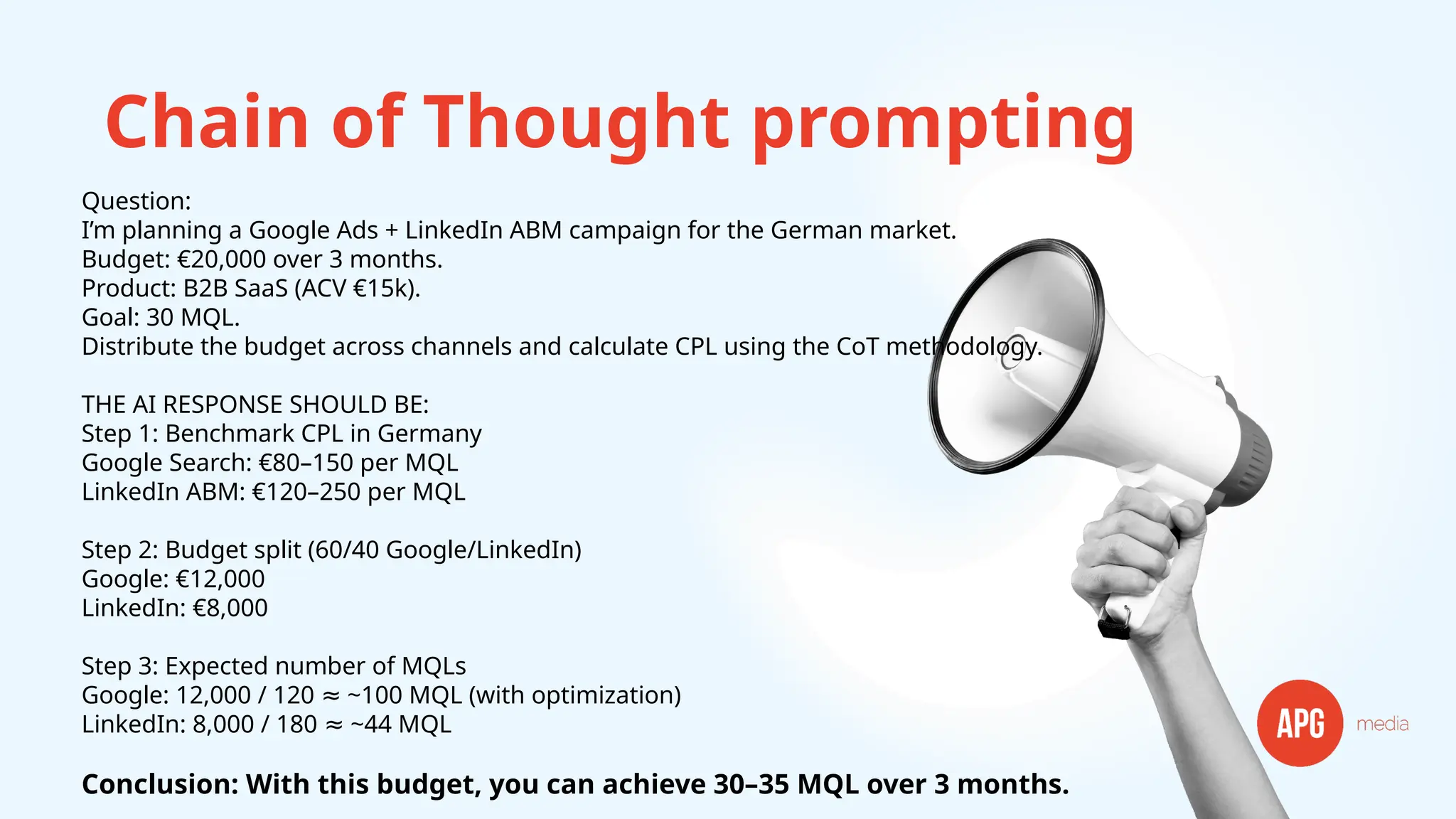
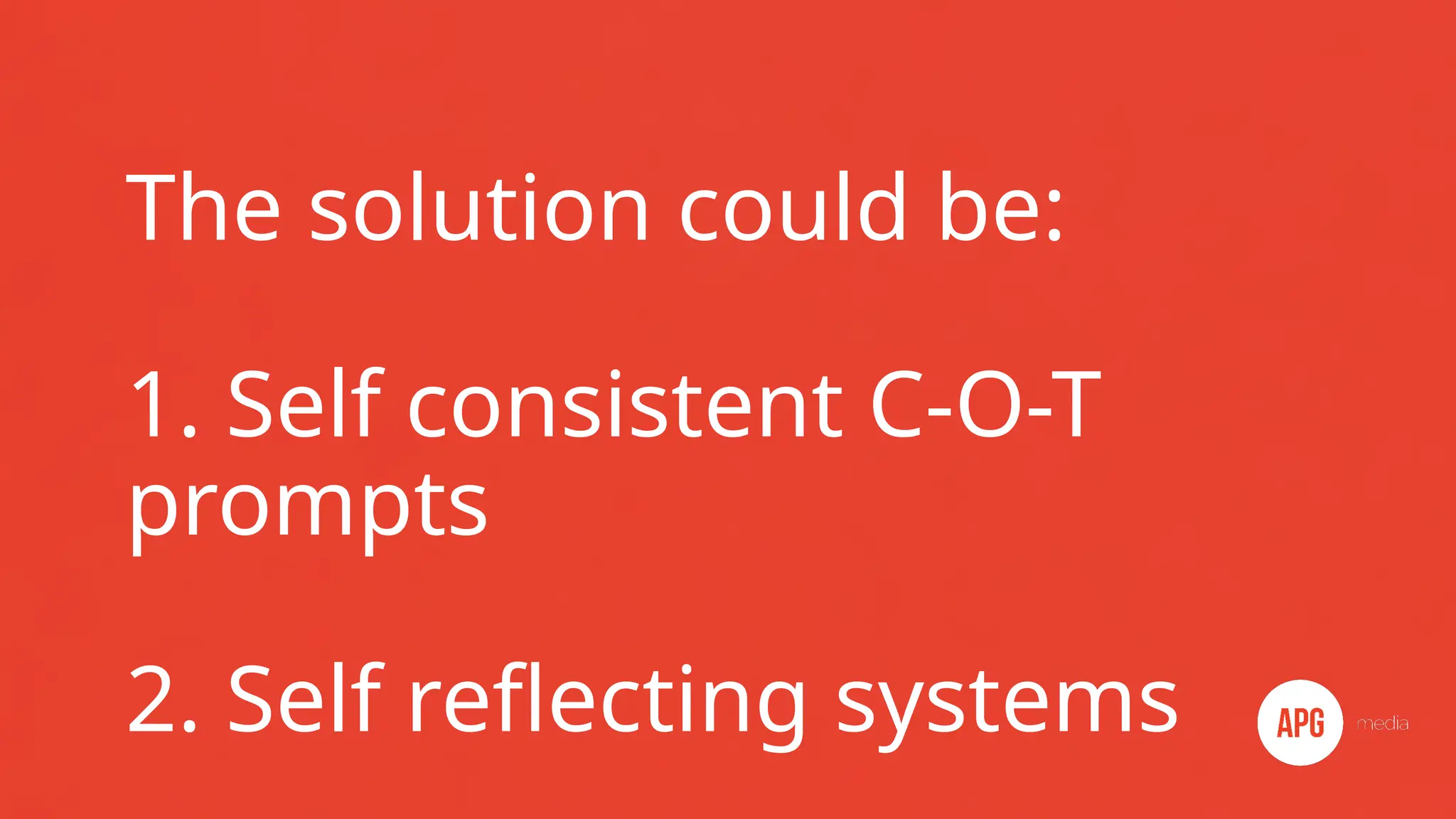
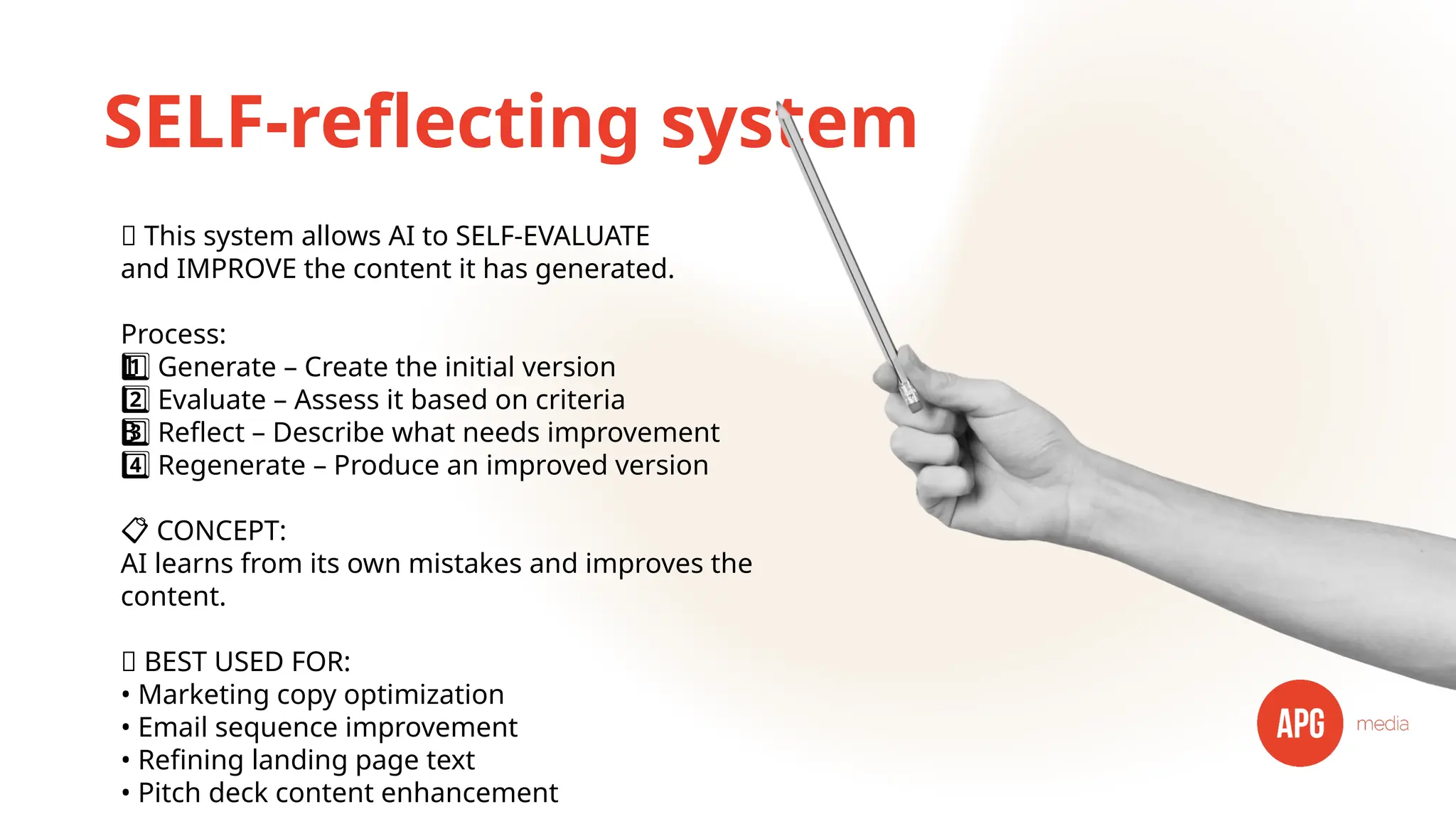
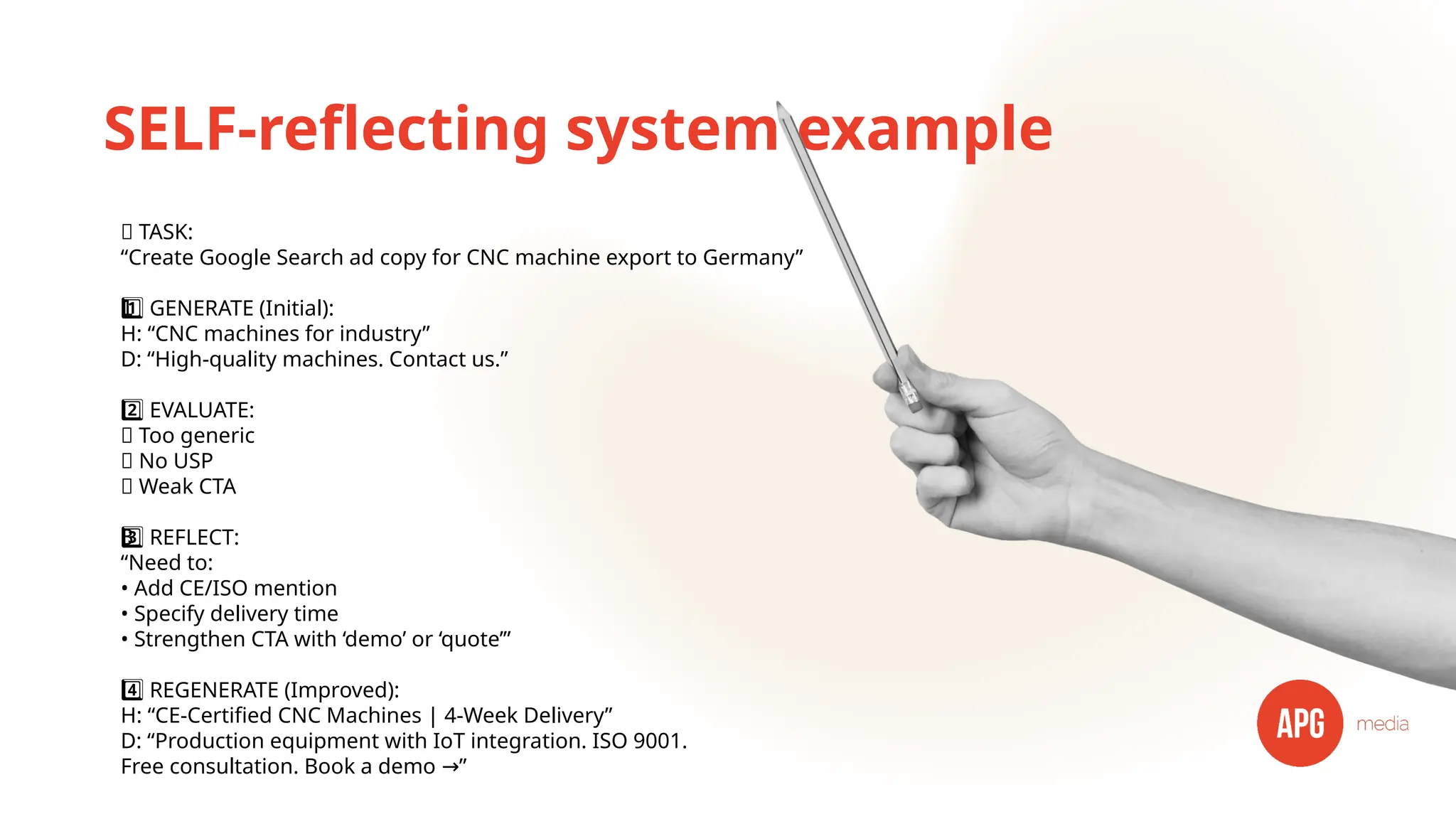
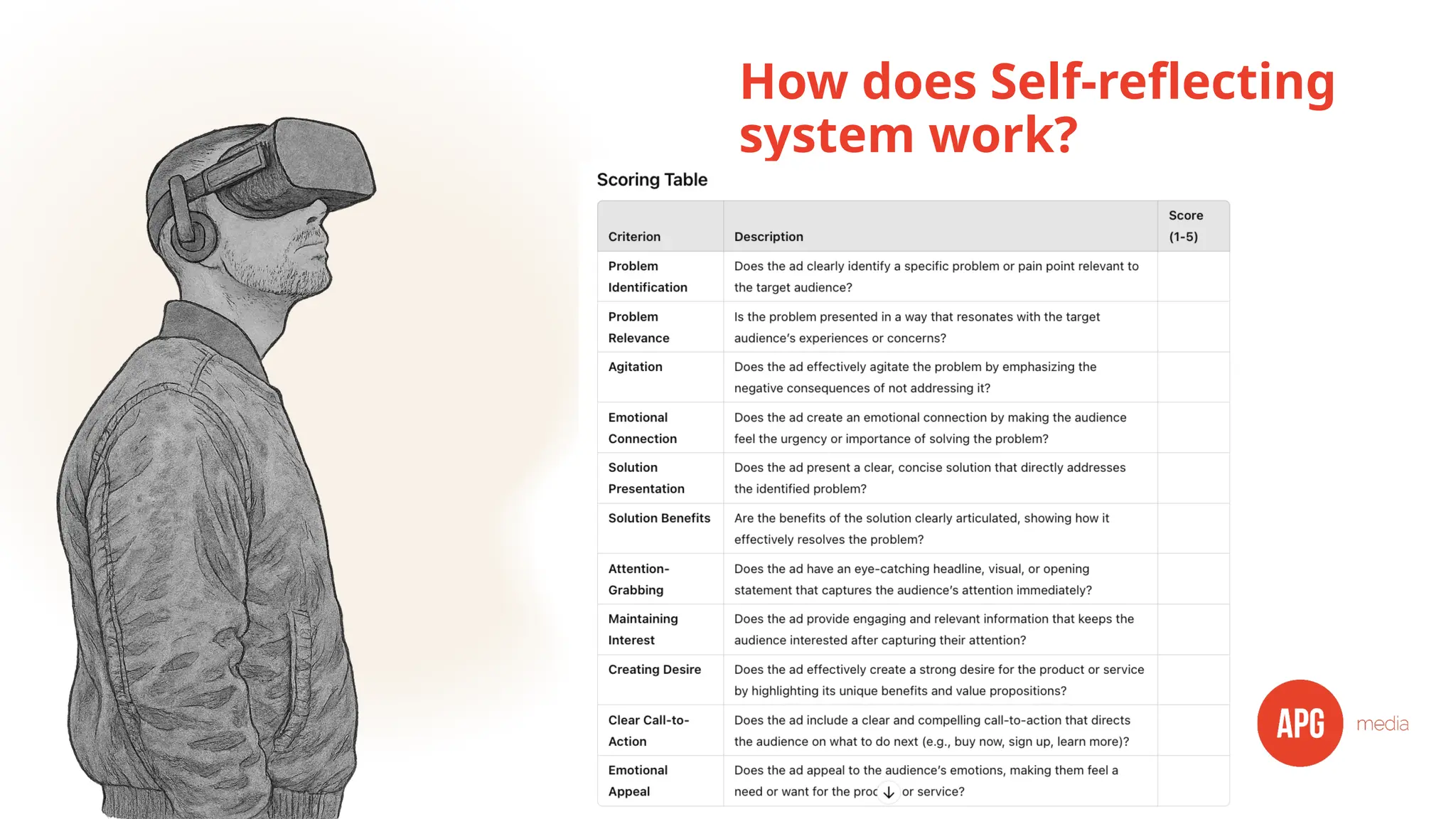
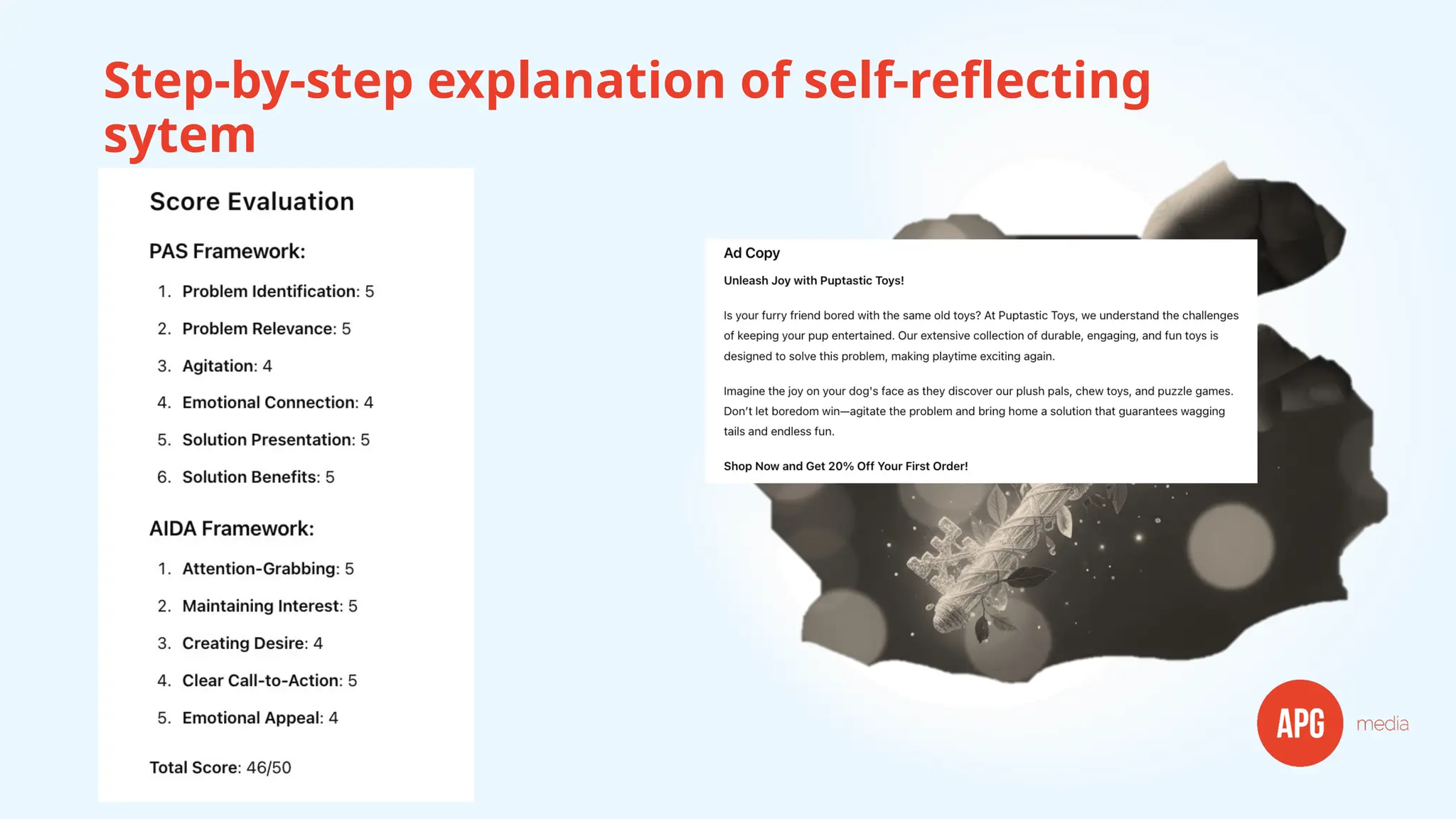
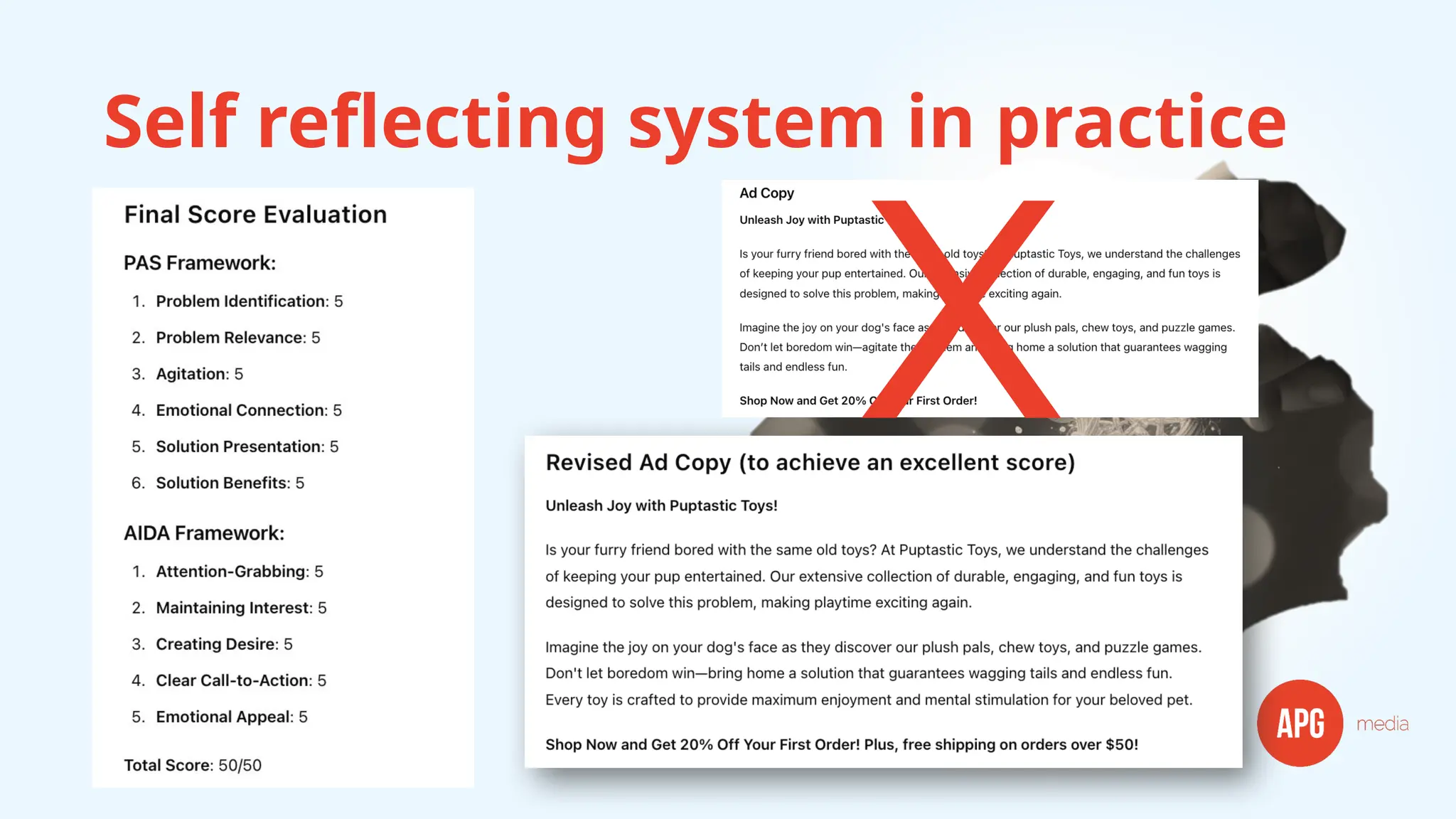
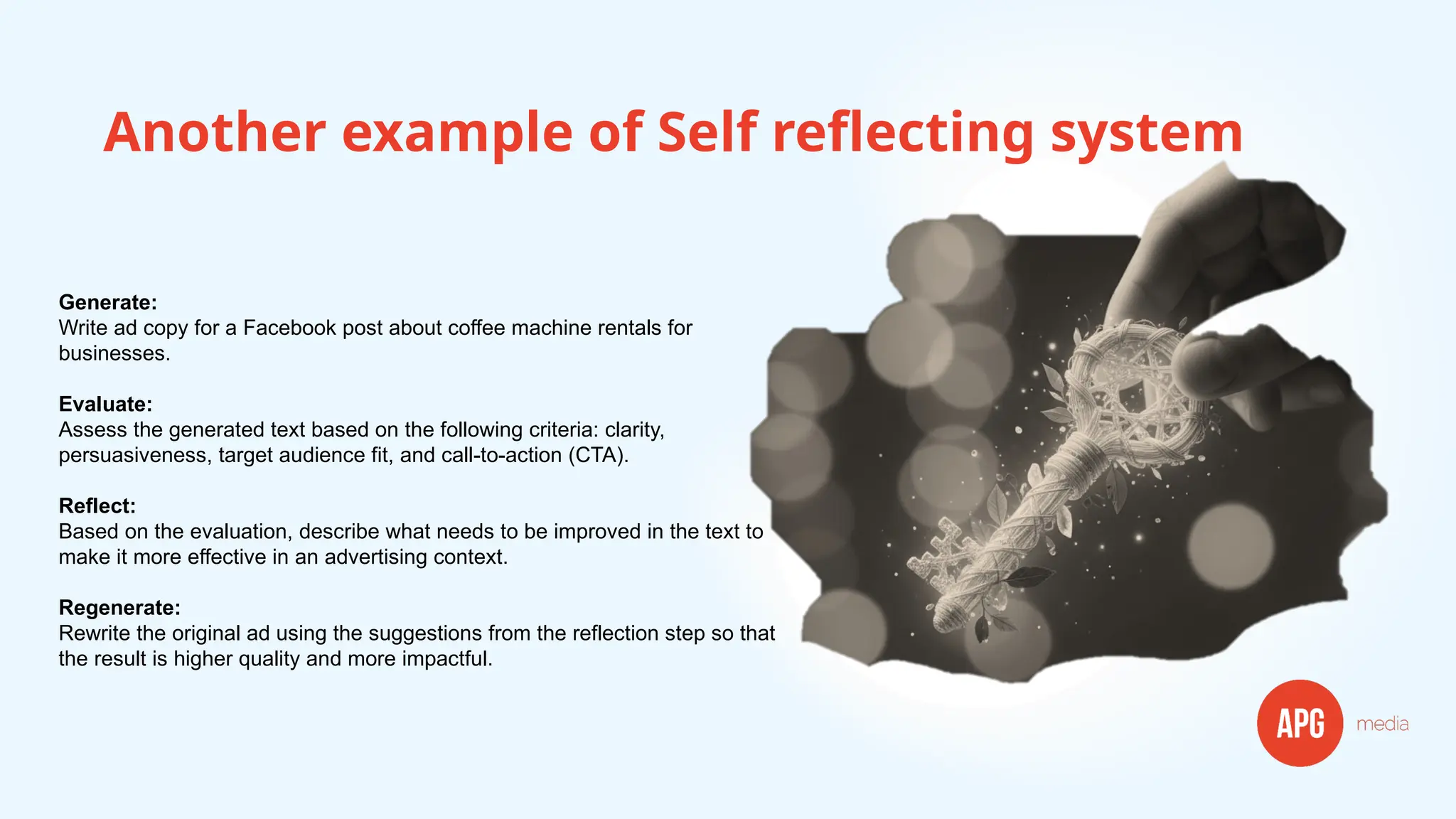
Workshop: The Art of Prompt Engineering – Best Practices for Effective AI Interactions Presenter: Aurimas Paulius Girčys, APG Media Core Philosophy: "A good prompt is not a question to AI, but a mirror of your thinking." 1. The Challenge: Moving Beyond "Weak" Prompts Most users default to Zero-Shot prompting (e.g., "Write a blog post about cats"), characterized by a lack of context or reasoning. While useful for simple tasks, these "weak prompts" often produce generic, shallow, or hallucinated responses. To instantly upgrade basic queries, the workshop introduces the CIA Framework: Clarity: Define precise objectives to target responses. Include Best Practices: Ground the AI in professional standards (e.g., "Act as a senior strategist"). Action Orientation: Request immediate, executable steps. 2. Advanced Methodologies The workshop pivots from simple prompting to engineering AI as a reasoning engine using two primary techniques: A. Chain-of-Thought (CoT) Prompting Instead of asking for a final result immediately, CoT instructs the model to "think step by step." How it works: It forces the AI to break down complex problems (like budget calculations) into intermediate logical steps. Self-Consistency: For high-stakes tasks, generate 3–5 different reasoning paths and select the most frequent conclusion to filter out errors. B. Self-Reflecting Systems This technique creates a continuous improvement loop, significantly increasing output quality. Generate: AI creates the initial draft. Evaluate: AI assesses the draft against specific criteria (e.g., "Does this have a clear USP?"). Reflect: AI identifies specific weaknesses or missing elements. Regenerate: AI rewrites the content based on its own feedback. Result: Demonstrated a score increase from 46/50 to 50/50 for ad copy by automatically refining weak calls-to-action. 3. Implementation & Automation These strategies should be codified into automated workflows rather than manual typing: AI Assistants: Build custom system instructions that automatically apply CoT and Self-Reflection to every query. "Vibe Coding": Create lightweight apps (e.g., PromptCraft) that rewrite user input into professional prompts before execution. Scale via API: Use tools like Google Sheets to run the "Generate → Evaluate → Reflect" cycle on large datasets automatically. Conclusion Effective prompt engineering requires a shift in mindset: users must teach the AI how to think before asking what to produce. By adopting Self-Reflecting Systems and Chain-of-Thought reasoning, organizations can transform AI outputs from generic text into professionally structured, strategic assets. Key Tools: PromptCraft (Prompt rewriting), Waikay.io (AI Search Optimization), Jupitron.ai (Ad generation).


