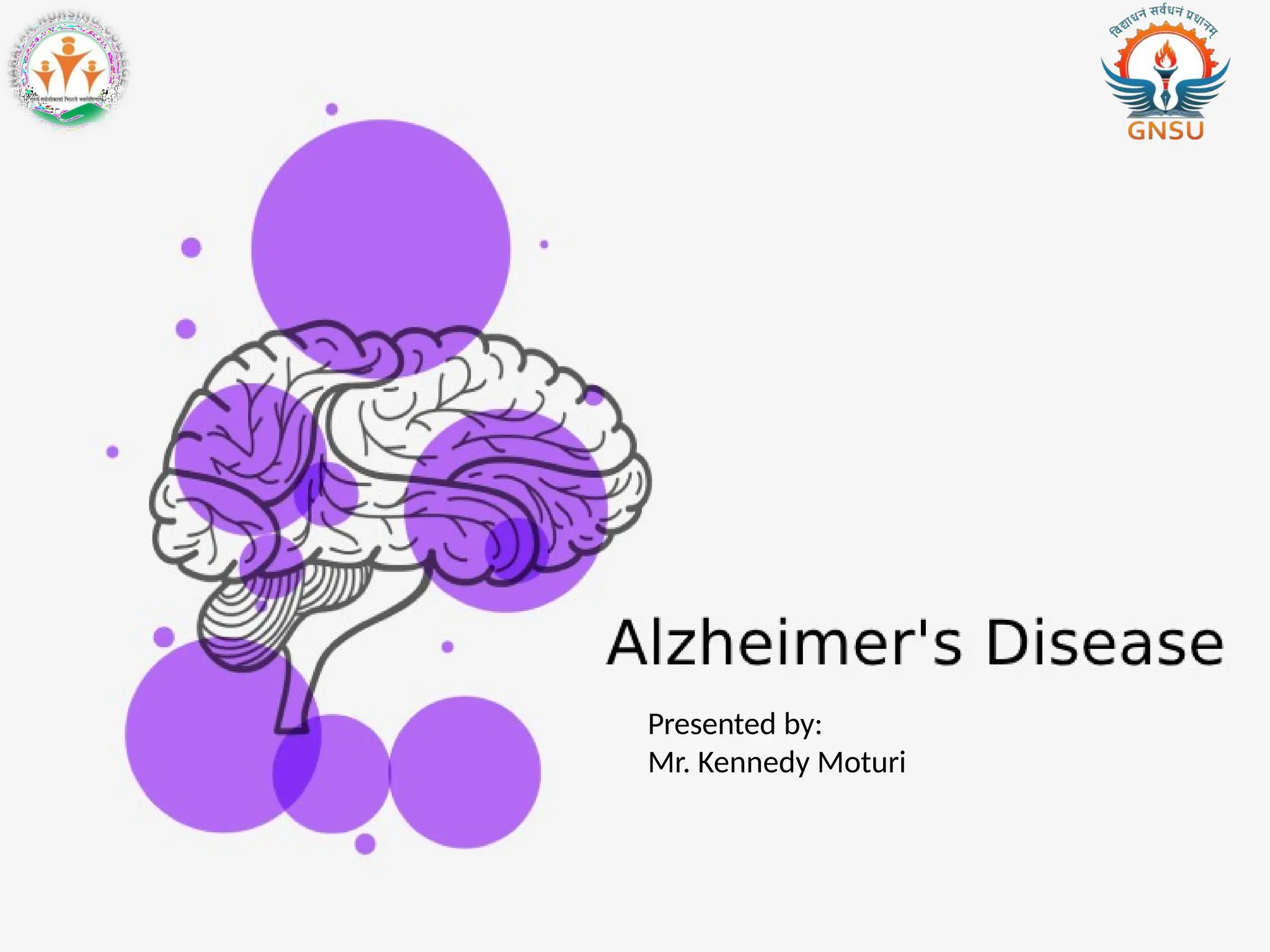
Presented by:
Mr. Kennedy Moturi
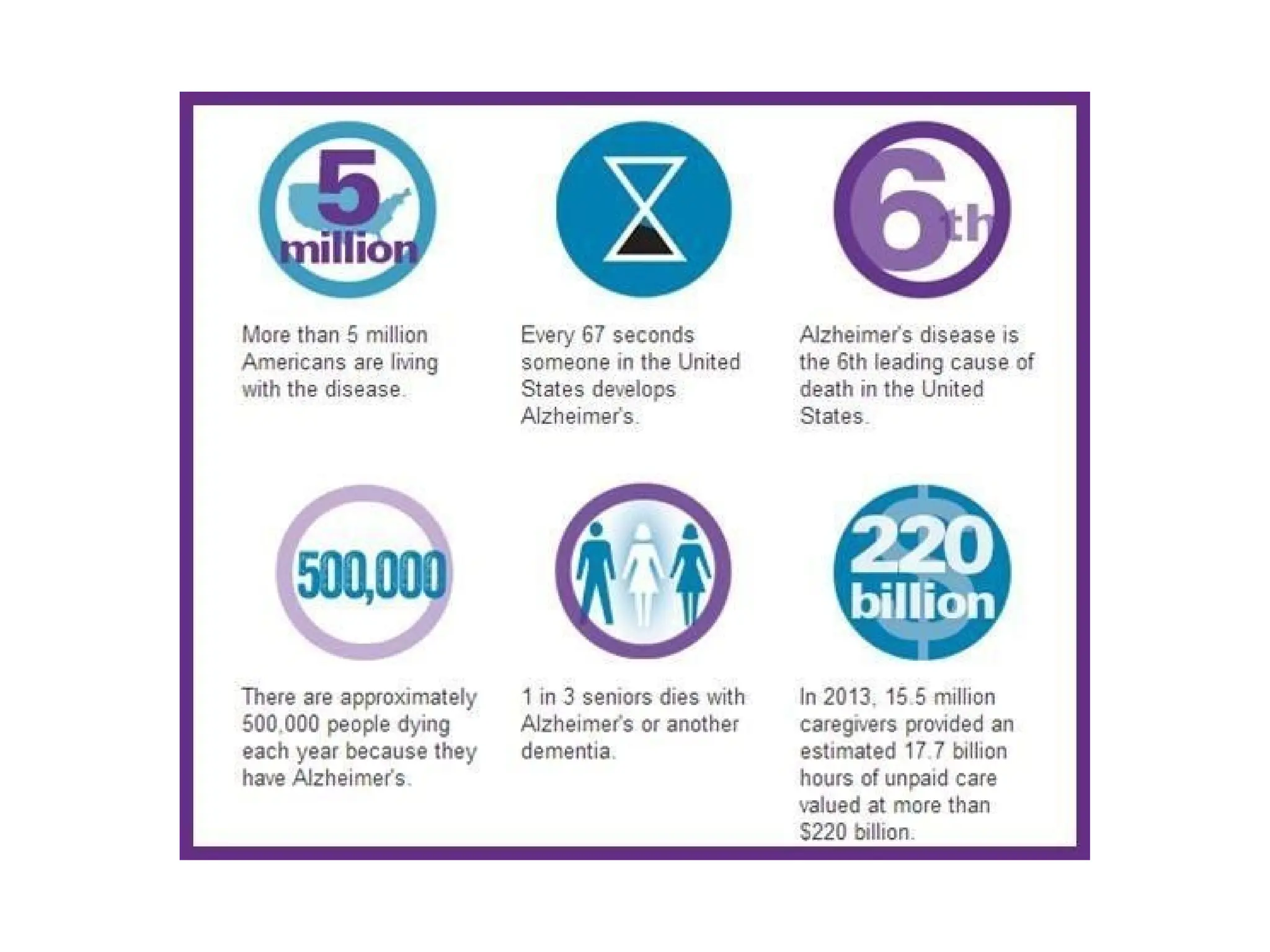
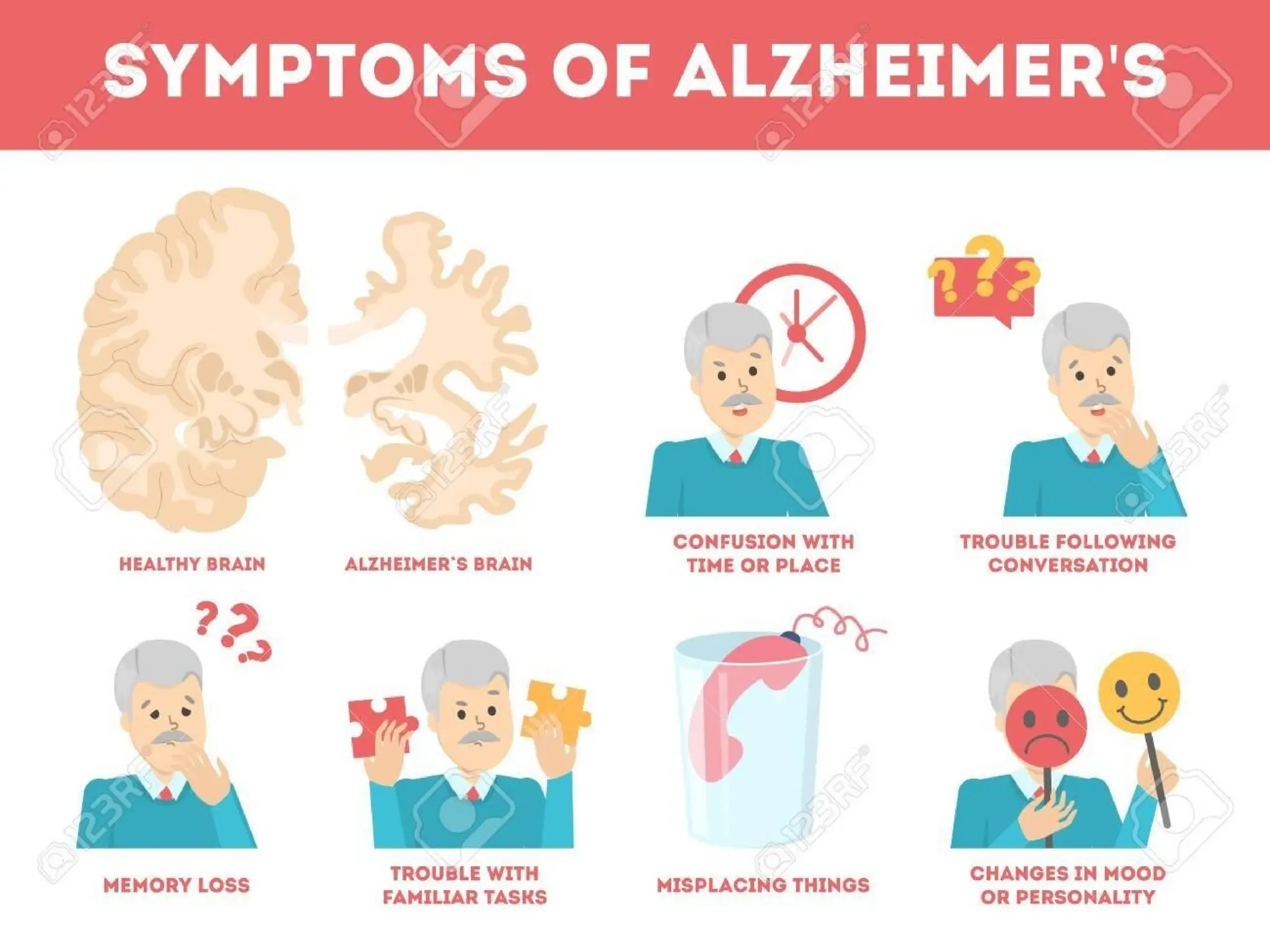
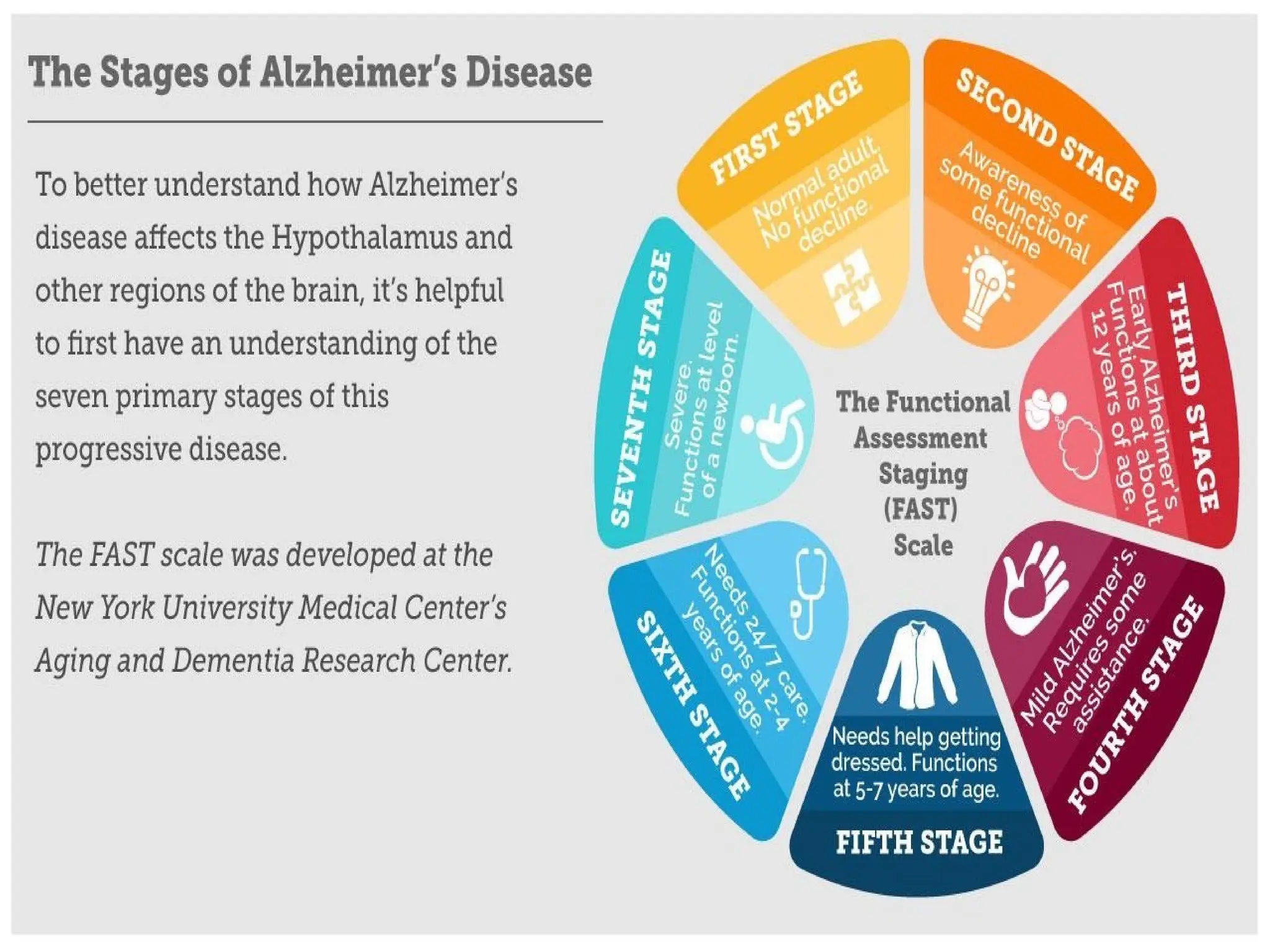
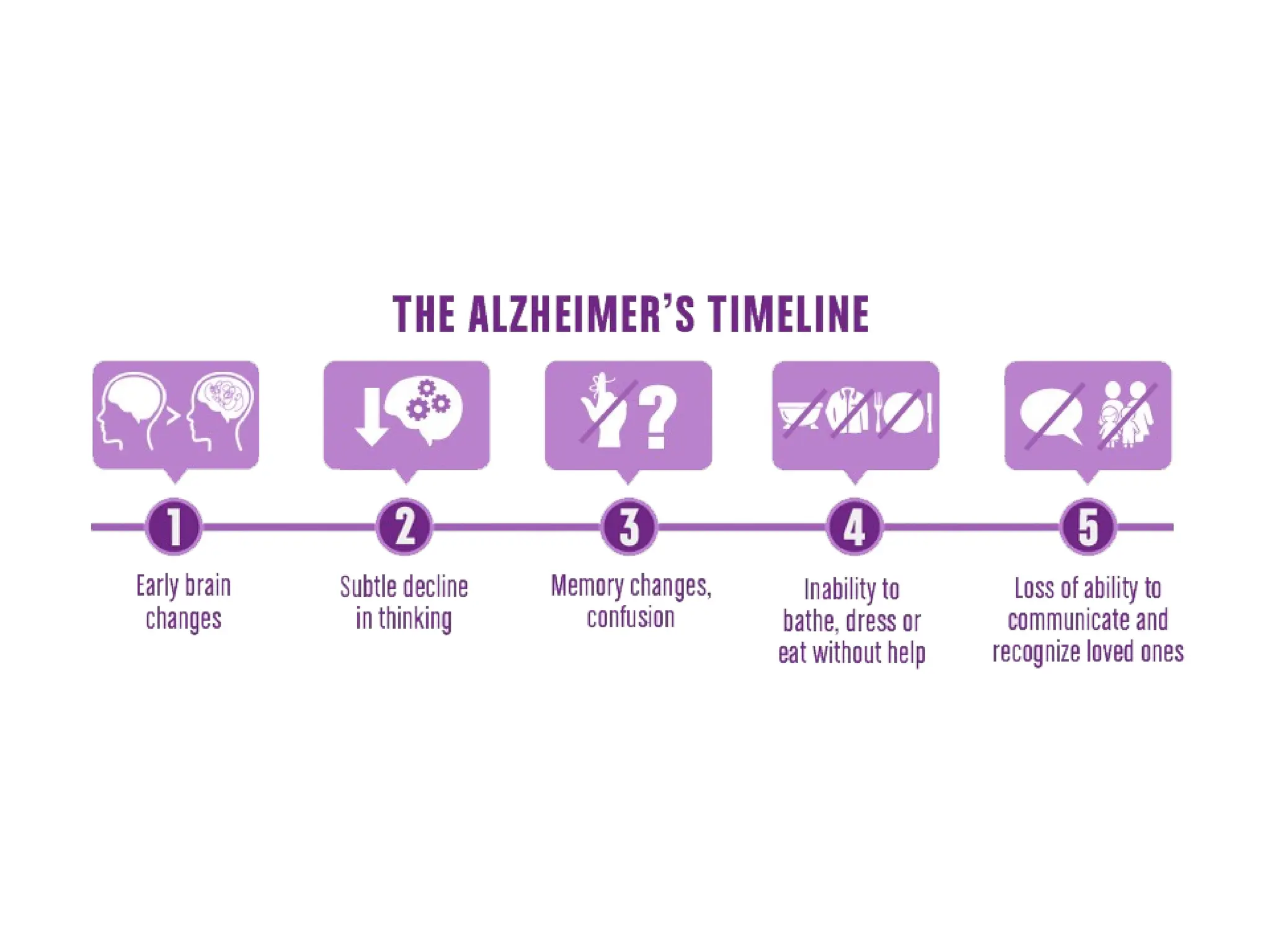
Alzheimer’s disease is an irreversible, progressive brain
disease that slowly destroys memory and disorders
cognitive function
Although the risk of developing AD increases with age – in
most people with AD, symptoms first appear after age 60
(5% incidence) AD is not a part of normal aging.
Pathophysiology and Etiology
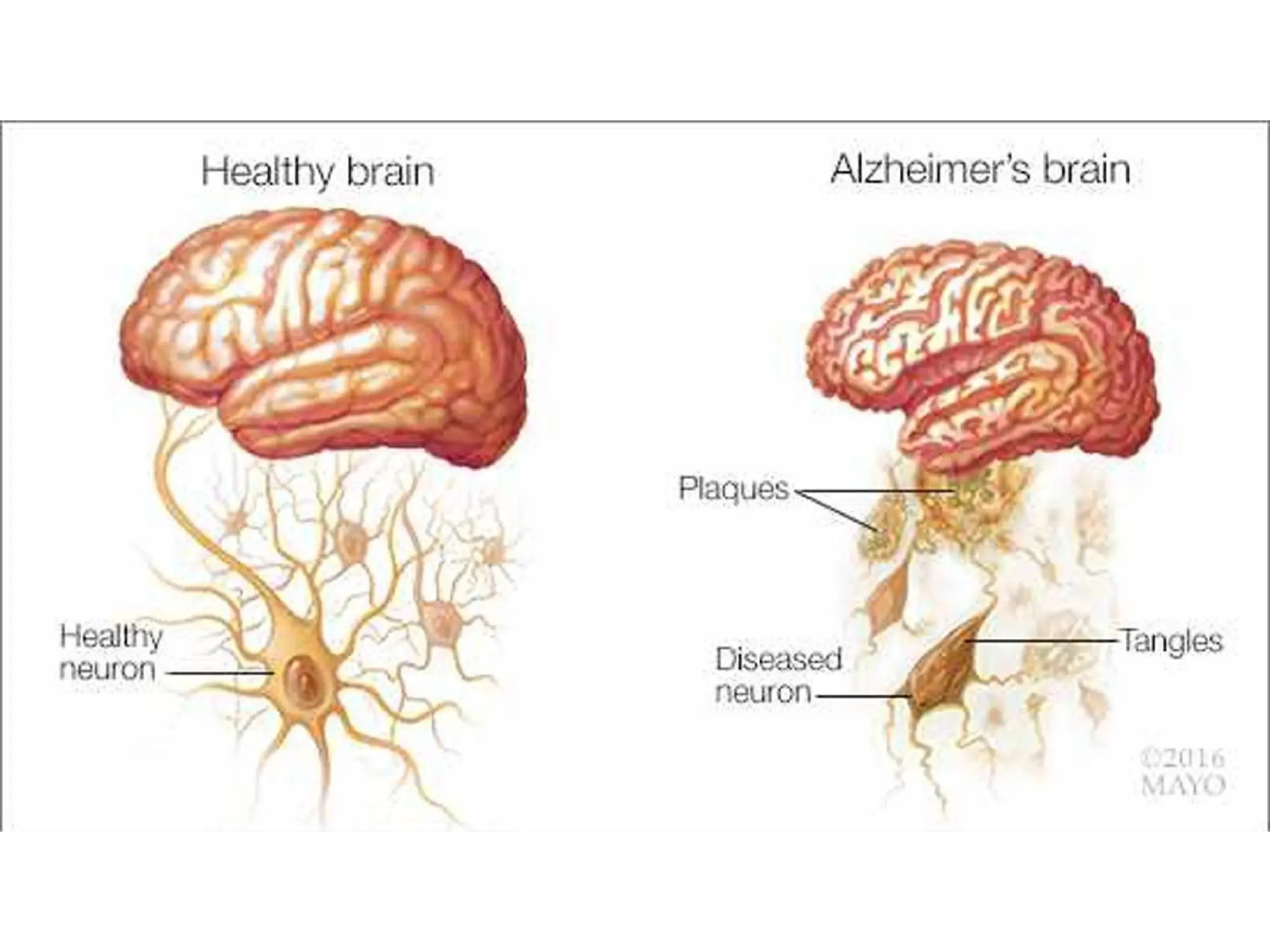
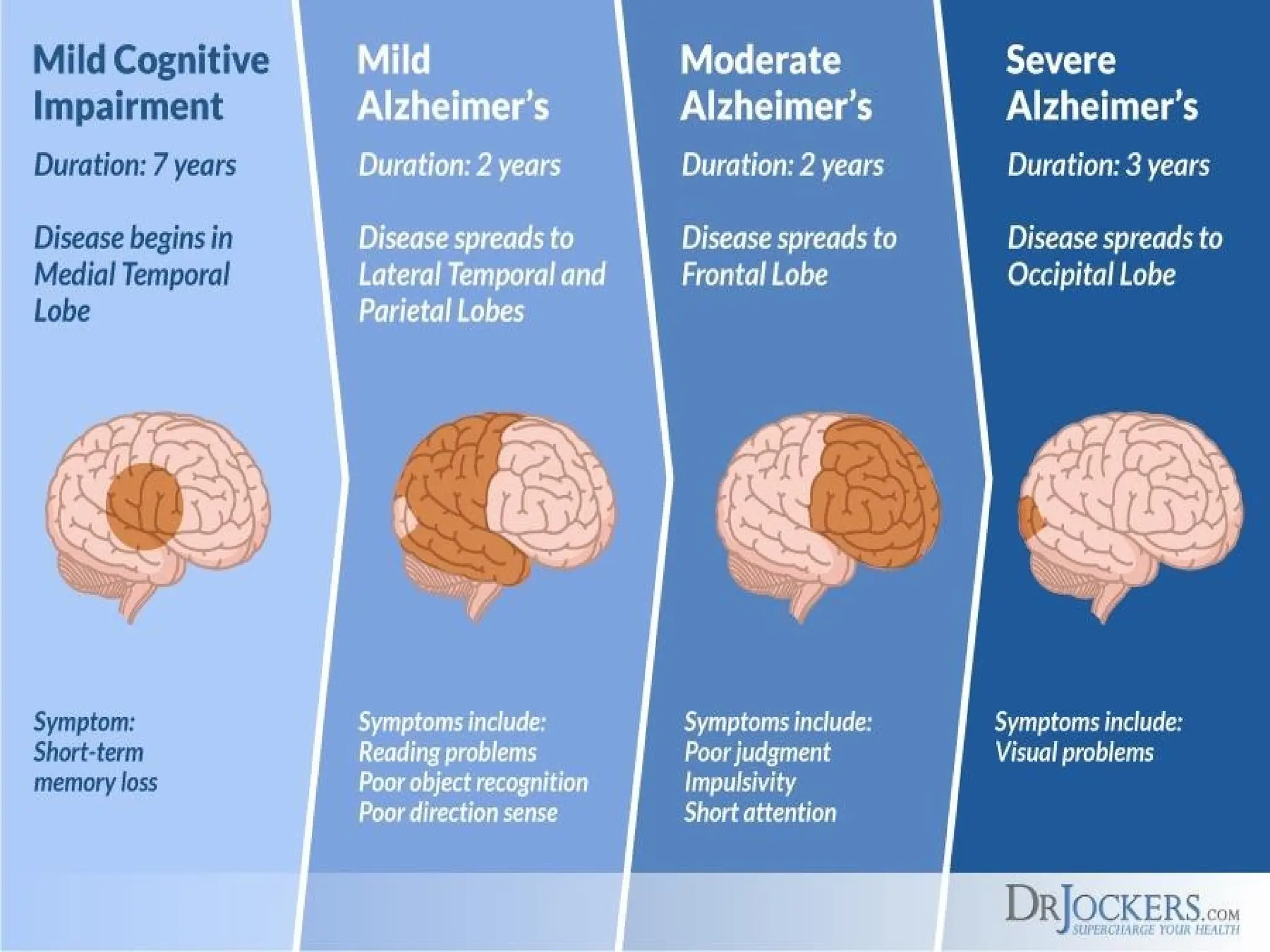
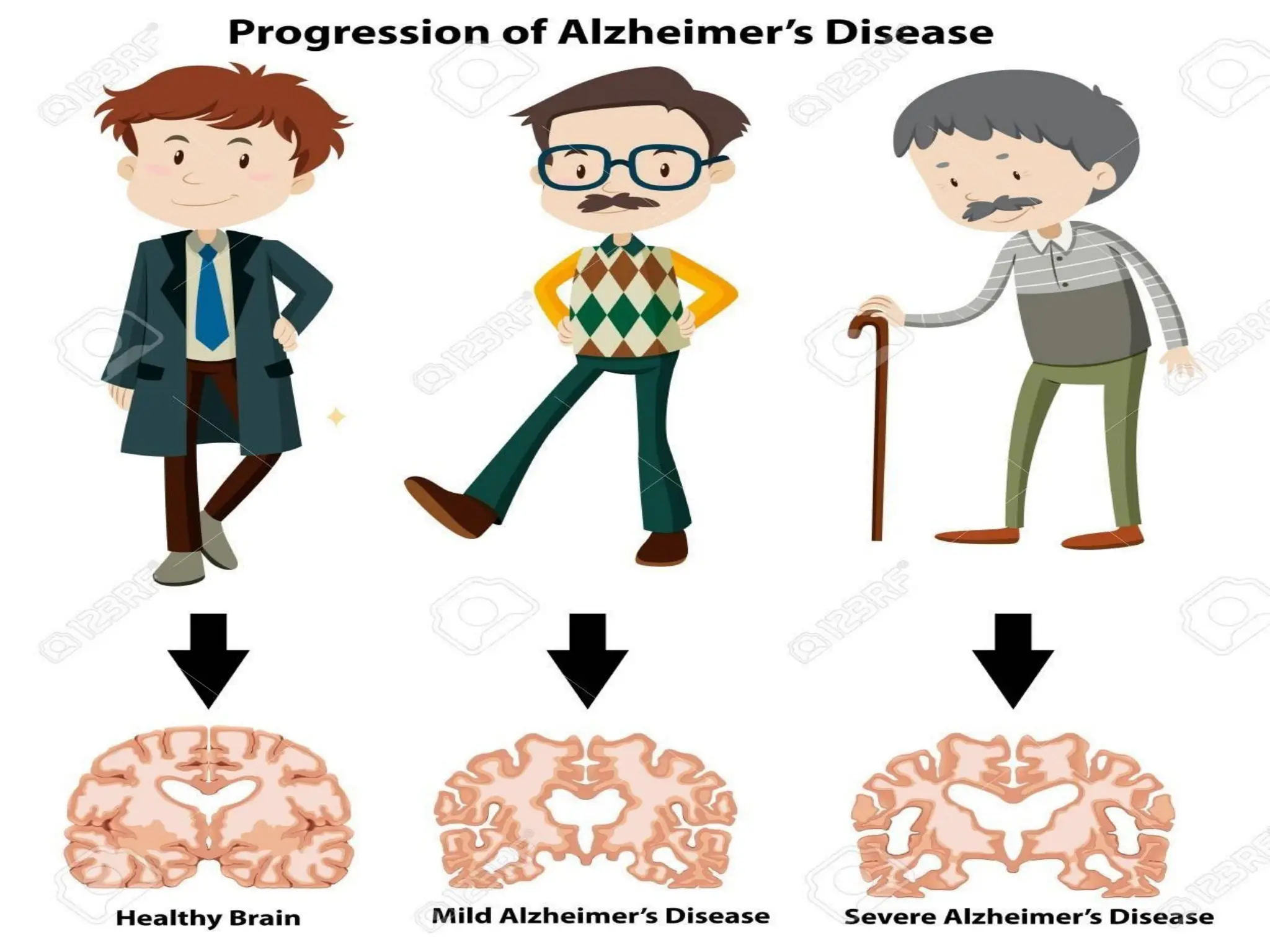
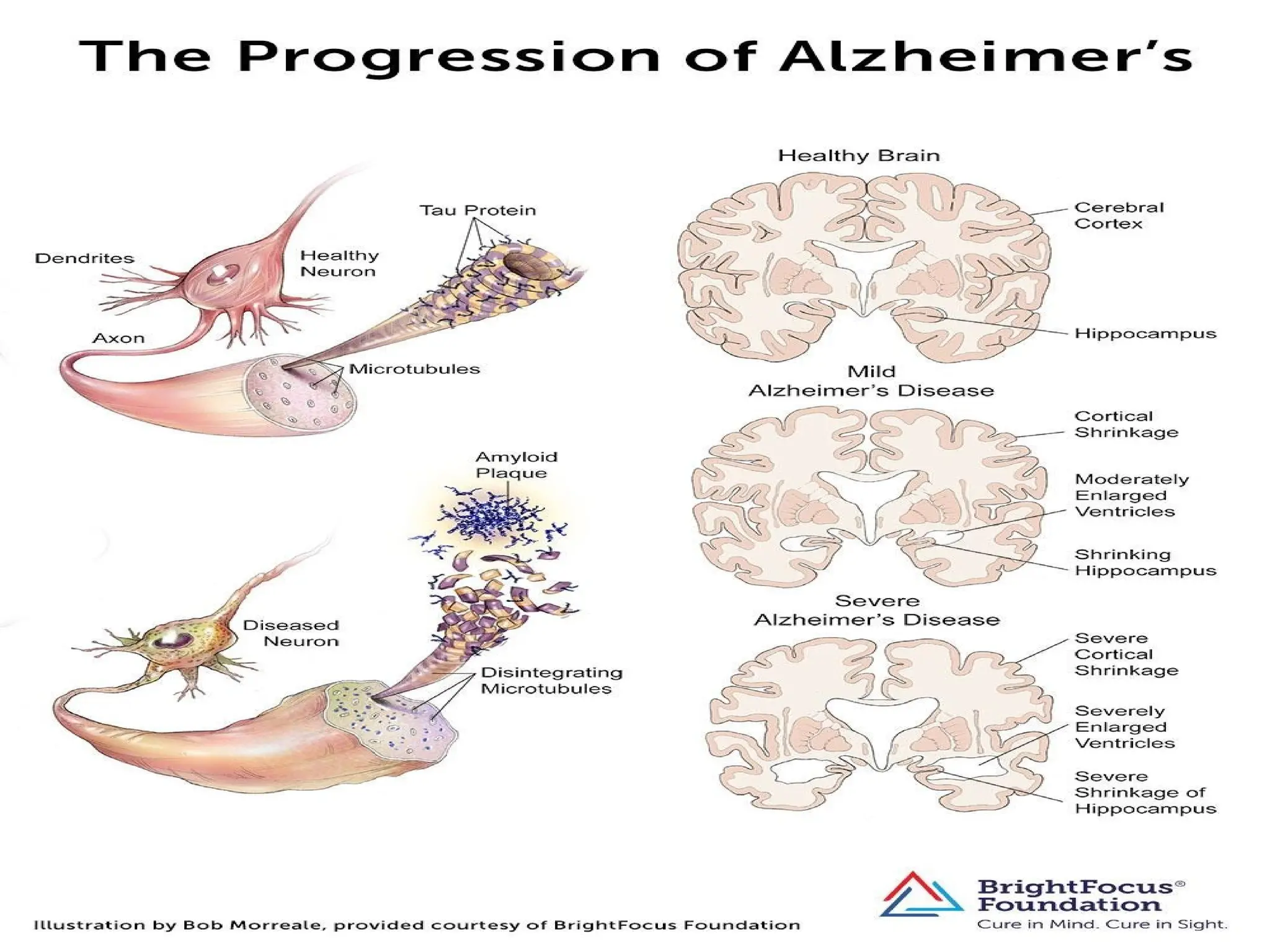
Gross pathophysiologic changes:
 cortical atrophy
 enlarged ventricles
 basal ganglia wasting
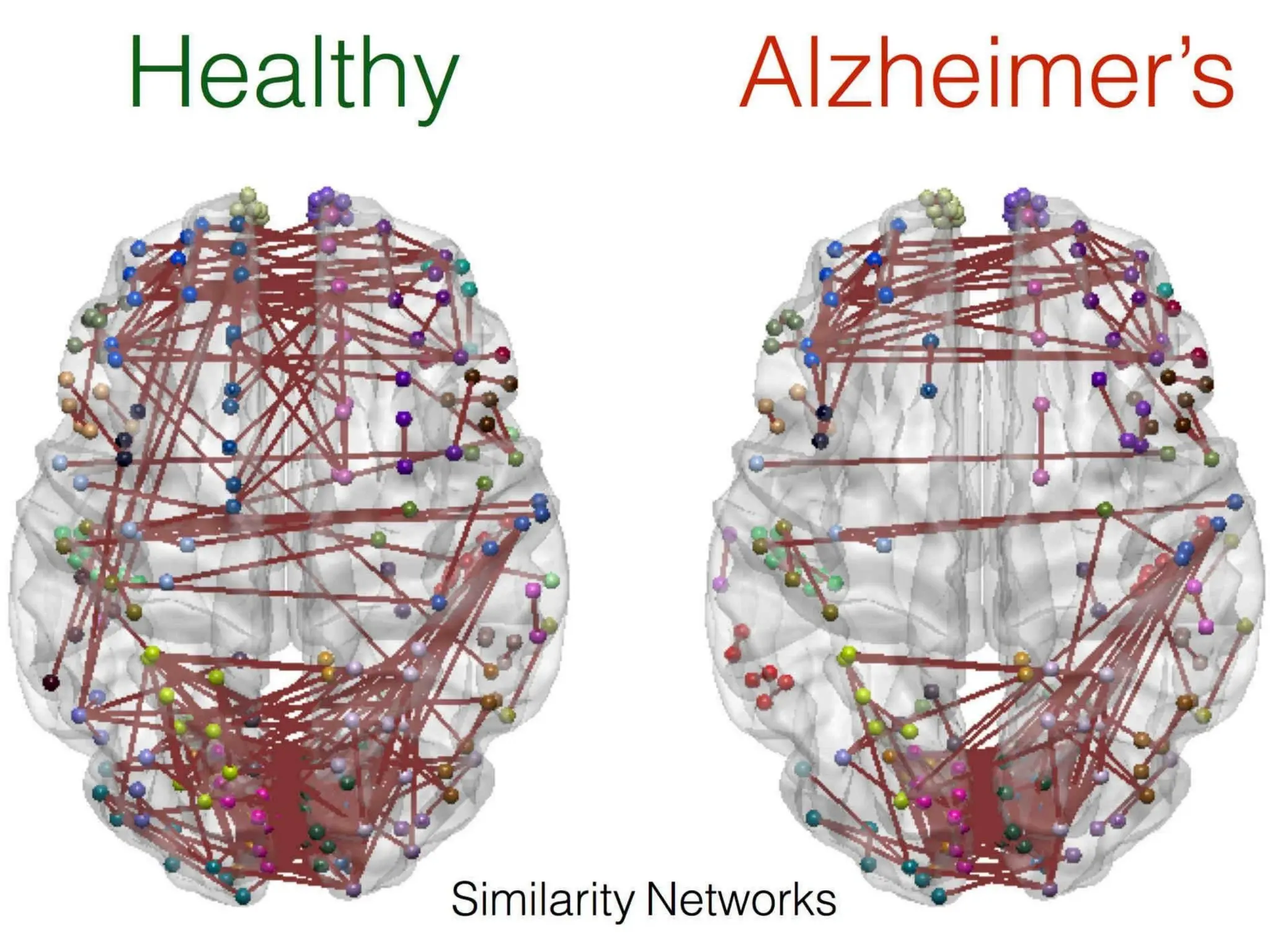
Microscopically:
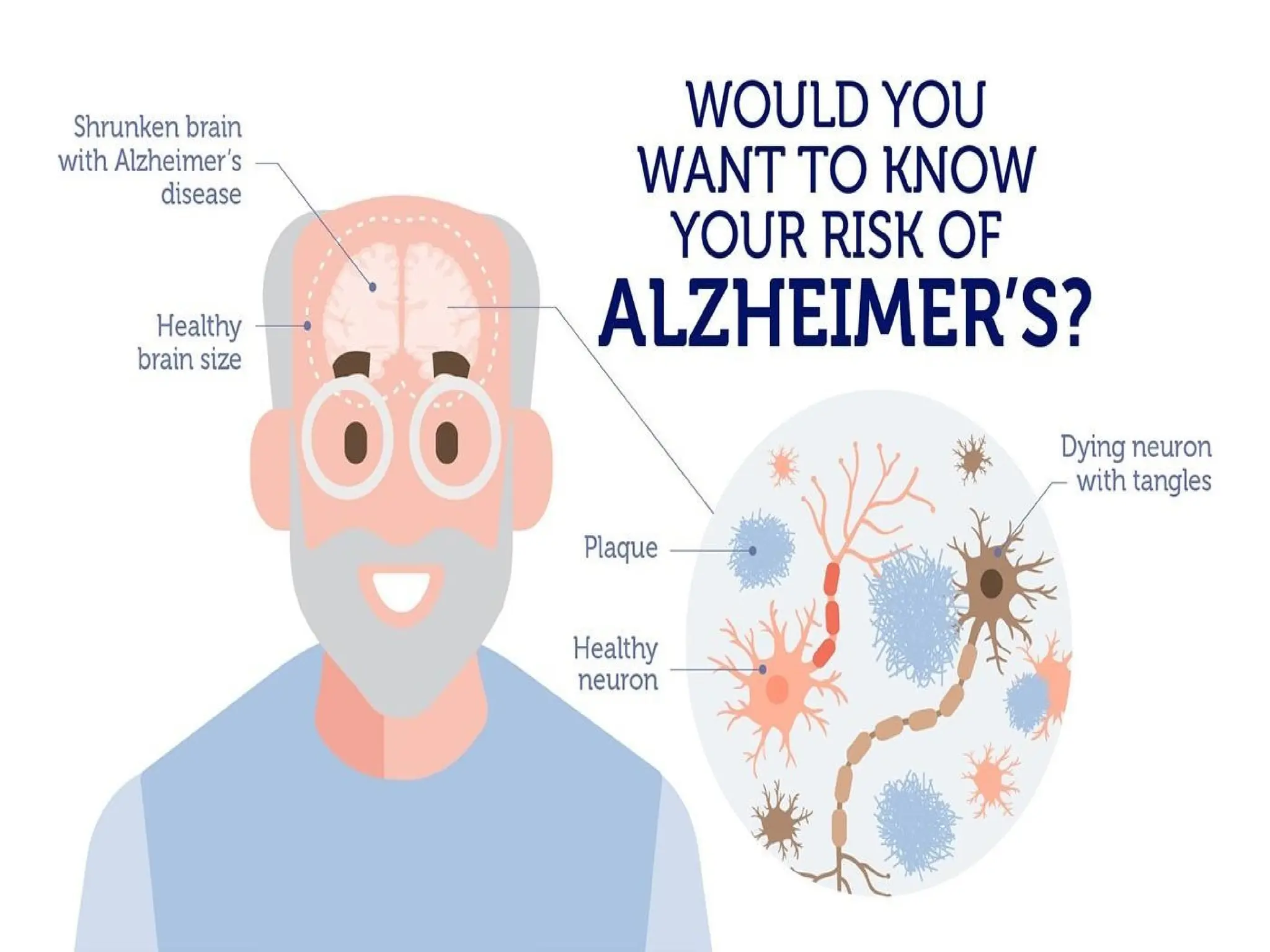
– Changes in the proteins of the nerve cells of the
cerebral cortex
– accumulation of neurofibrillary tangles and
neuritic plaques (deposits of protein and altered
cell structures on the interneuronal junctions)
granulovascular degeneration
– loss of cholinergic nerve cells (important in
memory, function, cognition
• Biochemically: neurotransmitter systems are
impaired
• Cause: unknown
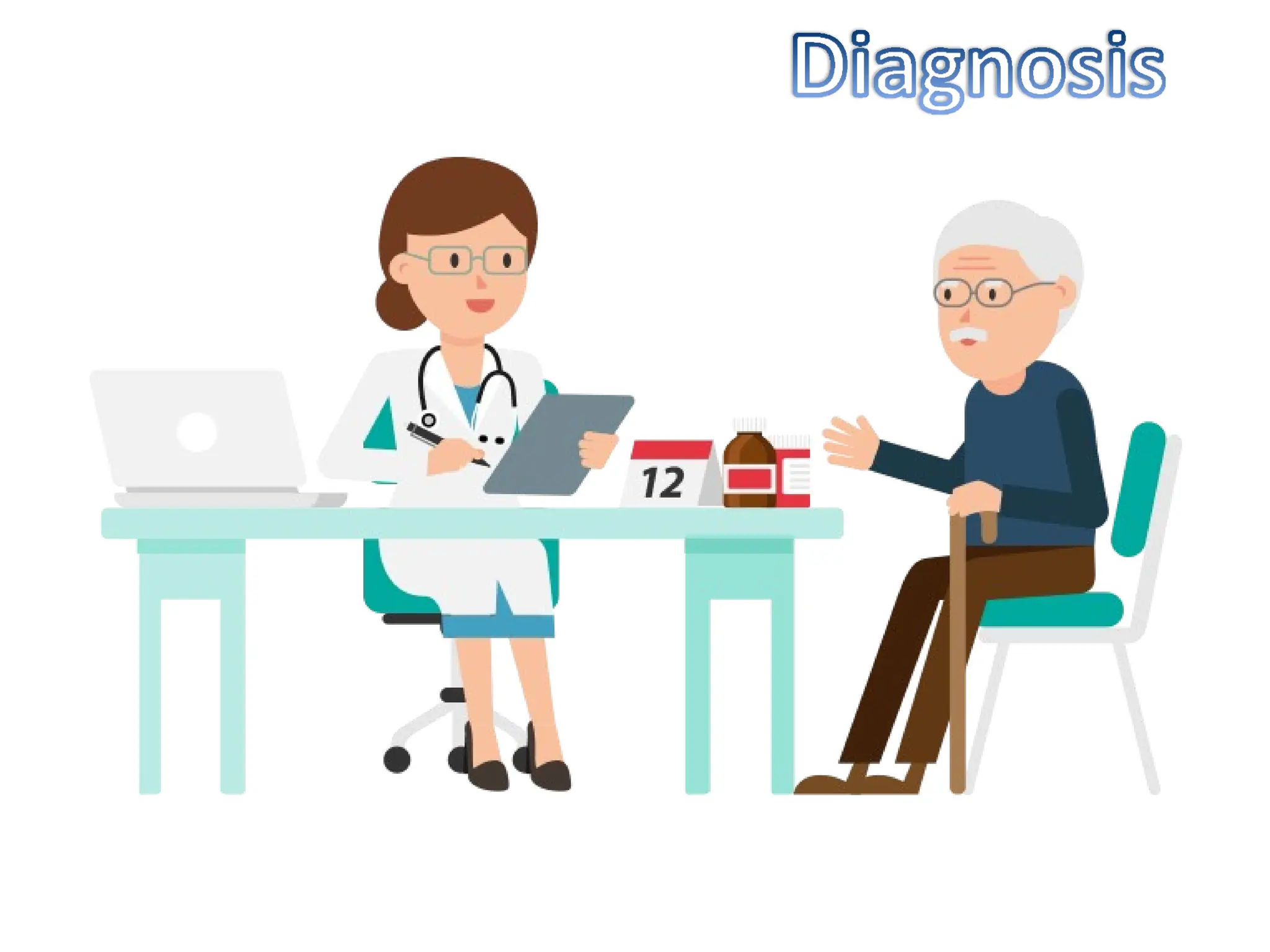
Diagnosis
• Medical history, history from relatives, and
behavioural observations.
• Neurological Examination and MSE
• CT, MRI, SPECT, PET can be used to help
exclude other cerebral pathology
Lab diagnosis
• complete blood count, sedimentation rate,
chemistry panel, thyroid-stimulating
hormone, test for syphilis, urinalysis, serum
B12, folate level, and test for HIV
• to rule out infectious or metabolic
disorders
• cerebrospinal fluid (CSF) - tau protein and
beta-amyloid
Genetic testing
In families with a history of Alzheimer's
disease, test to confirm AD or to provide
information to at-risk family members regarding
their likelihood for development of AD
How is Alzheimer’s Disease managed at present?
• Ideally, management should involve an interdisciplinary
approach for assessment, treatment & education
• The roles of nutritionists, caregivers, nurses, social workers
and patients associations can be vital for the long term care
• Pharmacological treatment
– Cholinesterase inhibitors
– Memantine
The 3 targets for Pharmacotherapy
•Cognitive decline: memory, language,
orientation, concentration, etc.
•Behavioral abnormalities: delusions,
aggressiveness, anxiety, depression, psychosis
etc..
•Activities of Daily Living: dressing, bathing,
feeding, use of household appliances, etc
CHOLINESTERASE INHIBITORS
• Rivastigmine
• Galantamine
• Donepezil
Nicotine is a cholinergic agonist that acts both
postsynaptically and pre-synaptically to release
acetylcholine
Melatonin - This neurohormone prevents
neuronal death caused by exposure to the
amyloid beta protein
Donepezil (Aricept)
• Widely used in mild to moderate cases
because it can be given once daily and is well
tolerated
• Starting at 5 mg hs and increased to 10 mg
after 4 to 6 weeks
Galantamine
• Given with food in dosage of 4 to 12 mg bid
Should be restarted at 4 mg bid if interrupted
for several days
• Dose should be reduced in cases of renal or
hepatic impairment
Rivastigmine
• Given 1.5 mg bid with meals and increased up
to 6 to 12 mg per day
Memantine
• NMDA-receptor antagonist
• The first of a new class approved for moderate
to severe Alzheimer's
• Dosage is 10 mg bid
• Can be used with a cholinesterase inhibitor
• Patients with depressive symptoms should be
considered for antidepressant therapy
• Behavioral disturbances may require
pharmacologic treatment anxiolytics,
antipsychotics, anticonvulsants
Nonpharmacologic treatments used to improve
cognition:
• Environmental manipulation that decreases
stimulation
• Aromatherapy, Massage, Music therapy,
Exercise
Drug Alert
• Cholinesterase inhibitors initially aimed at improving memory and
cognition seem to have an important impact on the behavioral
changes that occur in patients with cognitive impairment
• improves the apathy, disinhibition, pacing, and hallucinations
commonly noted in dementia
• Be alert for drug interactions with NSAIDs, succinylcholine-type
muscle relaxants, cholinergic and anticholinergic agents, drugs that
slow the heart, and other drugs
Nursing assessment
• Perform cognitive assessment
• Orientation, insight,
abstract memory, verbal ability
thinking, concentration,
• Assess for changes in behavior and ability to perform adls
• Evaluate nutrition and hydration
• Check weight, skin turgor, meal habits
• Assess motor ability, strength, muscle tone, flexibility
Nursing diagnoses
• Self-care deficit
• Constipation
• Disabled family coping
• Disturbed thought
• Imbalanced nutrition: Less than body
requirements Impaired verbal communication
• Ineffective coping
• Interrupted family processes
• Risk for infection
• Risk for injury
Intervention
s
• Establish an effective communication system
with the patient and his family to help them
adjust to the patient's altered cognitive
abilities
• Provide emotional support to the patient and
his family
• Encourage them to talk about their concerns
• Listen carefully to them
• Use a soft tone and a slow, calm manner when
speaking to him Because the patient may
misperceive his environment
• Allow the patient sufficient time to answer
your questions his thought processes are slow,
impairing his ability to communicate verbally
Interventio
n
• Administer ordered medications to the patient
and note their effects
• If the patient has trouble swallowing, check with
a pharmacist to see if tablets can be crushed or
capsules can be opened and mixed with a semi-
soft food
• Protect the patient from injury
• Provide a safe, structured environment
• Provide rest periods between activities because
these patients tire easily
• Encourage the patient to exercise to help
maintain mobility
• Encourage patient independence allow ample
time for the patient to perform tasks
• Encourage sufficient fluid intake and adequate
nutrition Provide assistance with menu selection
allow the patient to feed himself as much as he
can
• Provide a well-balanced diet with adequate fiber
• Avoid stimulants, such as coffee, tea, cola, and
chocolate
• Give the patient semisolid foods if he has dysphagia
• Insert and care for a nasogastric tube or a gastrostomy
tube for feeding as ordered
• Because the patient may be disoriented or
neuromuscular functioning may be impaired, take the
patient to the bathroom at least every 2 hours
• Assist the patient with hygiene and dressing as
necessary
• Many patients with Alzheimer's disease are incapable
of performing these tasks
Complication
• Aspiration
• Pneumonia and other infections
• Falls
• Fractures
• Bedsores
• Malnutrition or dehydration
Preventio
n
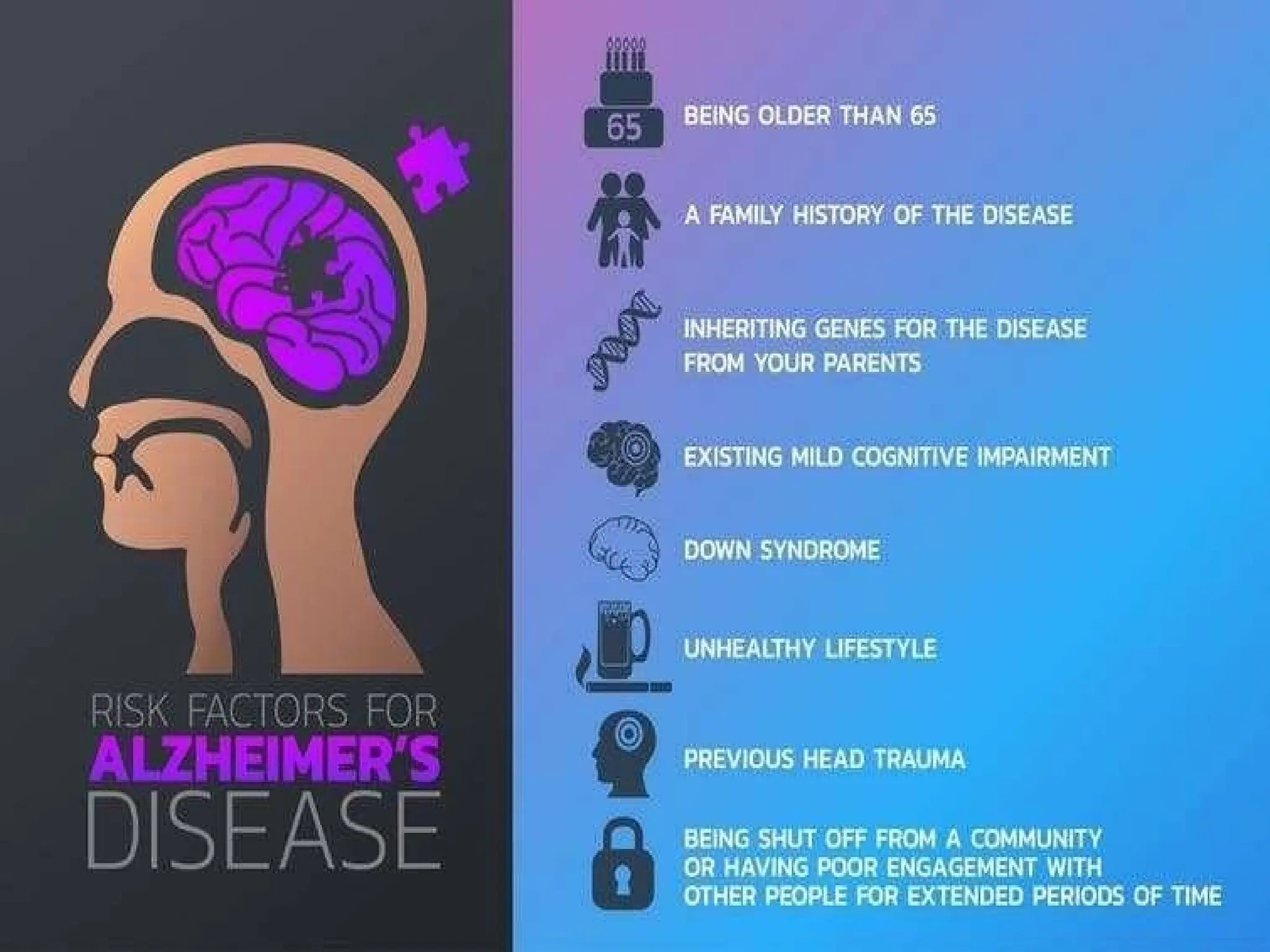
It is not a preventable condition.
Lifestyle risk factors for Alzheimer's can be
modified.
Changes in diet, exercise and habits — steps to
reduce the risk of cardiovascular disease — may
also lower your risk of developing Alzheimer's
disease
Heart-healthy lifestyle choices that may reduce
the risk of Alzheimer's include the following:
• Exercise regularly
• Eat a diet of fresh produce, healthy oils and
foods low in saturated fat
• Follow treatment guidelines to manage high
blood pressure, diabetes and high cholesterol
• Quit smoking
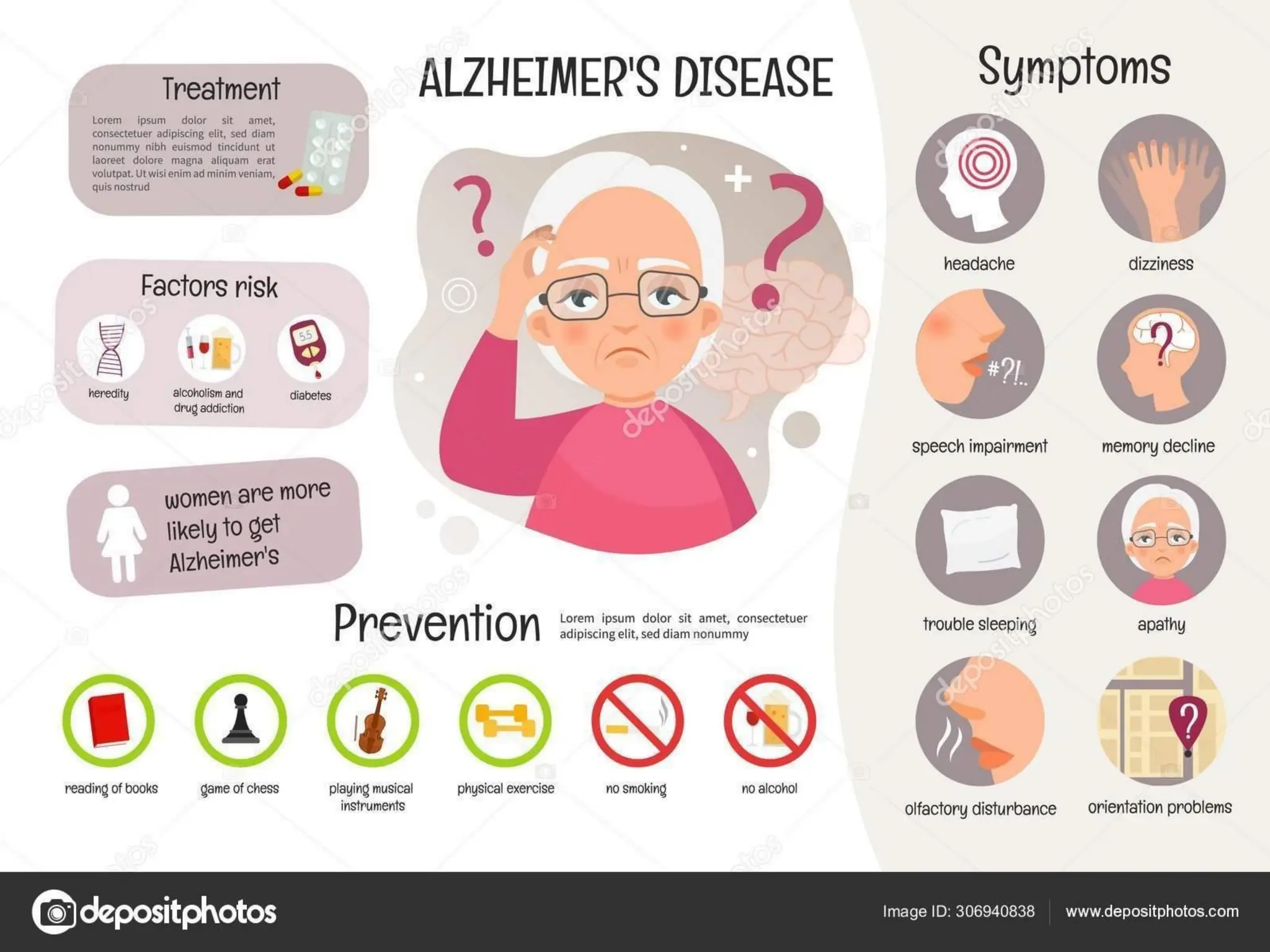
Alzheimer's disease is a progressive brain disorder that affects memory and cognitive function.

Alzheimer's disease is a progressive brain disorder that affects memory and cognitive function.

  • 1.
  • 3.
    Alzheimer’s disease isan irreversible, progressive brain disease that slowly destroys memory and disorders cognitive function
  • 6.
    Although the riskof developing AD increases with age – in most people with AD, symptoms first appear after age 60 (5% incidence) AD is not a part of normal aging.
  • 9.
    Pathophysiology and Etiology Grosspathophysiologic changes:  cortical atrophy  enlarged ventricles  basal ganglia wasting
  • 10.
    Microscopically: – Changes inthe proteins of the nerve cells of the cerebral cortex – accumulation of neurofibrillary tangles and neuritic plaques (deposits of protein and altered cell structures on the interneuronal junctions) granulovascular degeneration – loss of cholinergic nerve cells (important in memory, function, cognition
  • 11.
    • Biochemically: neurotransmittersystems are impaired • Cause: unknown
  • 20.
    Diagnosis • Medical history,history from relatives, and behavioural observations. • Neurological Examination and MSE • CT, MRI, SPECT, PET can be used to help exclude other cerebral pathology
  • 21.
    Lab diagnosis • completeblood count, sedimentation rate, chemistry panel, thyroid-stimulating hormone, test for syphilis, urinalysis, serum B12, folate level, and test for HIV • to rule out infectious or metabolic disorders
  • 22.
    • cerebrospinal fluid(CSF) - tau protein and beta-amyloid Genetic testing In families with a history of Alzheimer's disease, test to confirm AD or to provide information to at-risk family members regarding their likelihood for development of AD
  • 23.
    How is Alzheimer’sDisease managed at present? • Ideally, management should involve an interdisciplinary approach for assessment, treatment & education • The roles of nutritionists, caregivers, nurses, social workers and patients associations can be vital for the long term care • Pharmacological treatment – Cholinesterase inhibitors – Memantine
  • 24.
    The 3 targetsfor Pharmacotherapy •Cognitive decline: memory, language, orientation, concentration, etc. •Behavioral abnormalities: delusions, aggressiveness, anxiety, depression, psychosis etc.. •Activities of Daily Living: dressing, bathing, feeding, use of household appliances, etc
  • 25.
  • 26.
    Nicotine is acholinergic agonist that acts both postsynaptically and pre-synaptically to release acetylcholine Melatonin - This neurohormone prevents neuronal death caused by exposure to the amyloid beta protein
  • 27.
    Donepezil (Aricept) • Widelyused in mild to moderate cases because it can be given once daily and is well tolerated • Starting at 5 mg hs and increased to 10 mg after 4 to 6 weeks
  • 28.
    Galantamine • Given withfood in dosage of 4 to 12 mg bid Should be restarted at 4 mg bid if interrupted for several days • Dose should be reduced in cases of renal or hepatic impairment
  • 29.
    Rivastigmine • Given 1.5mg bid with meals and increased up to 6 to 12 mg per day
  • 30.
    Memantine • NMDA-receptor antagonist •The first of a new class approved for moderate to severe Alzheimer's • Dosage is 10 mg bid • Can be used with a cholinesterase inhibitor
  • 31.
    • Patients withdepressive symptoms should be considered for antidepressant therapy • Behavioral disturbances may require pharmacologic treatment anxiolytics, antipsychotics, anticonvulsants
  • 32.
    Nonpharmacologic treatments usedto improve cognition: • Environmental manipulation that decreases stimulation • Aromatherapy, Massage, Music therapy, Exercise
  • 33.
    Drug Alert • Cholinesteraseinhibitors initially aimed at improving memory and cognition seem to have an important impact on the behavioral changes that occur in patients with cognitive impairment • improves the apathy, disinhibition, pacing, and hallucinations commonly noted in dementia • Be alert for drug interactions with NSAIDs, succinylcholine-type muscle relaxants, cholinergic and anticholinergic agents, drugs that slow the heart, and other drugs
  • 34.
    Nursing assessment • Performcognitive assessment • Orientation, insight, abstract memory, verbal ability thinking, concentration, • Assess for changes in behavior and ability to perform adls • Evaluate nutrition and hydration • Check weight, skin turgor, meal habits • Assess motor ability, strength, muscle tone, flexibility
  • 35.
    Nursing diagnoses • Self-caredeficit • Constipation • Disabled family coping • Disturbed thought • Imbalanced nutrition: Less than body requirements Impaired verbal communication
  • 36.
    • Ineffective coping •Interrupted family processes • Risk for infection • Risk for injury
  • 37.
    Intervention s • Establish aneffective communication system with the patient and his family to help them adjust to the patient's altered cognitive abilities • Provide emotional support to the patient and his family • Encourage them to talk about their concerns • Listen carefully to them
  • 38.
    • Use asoft tone and a slow, calm manner when speaking to him Because the patient may misperceive his environment • Allow the patient sufficient time to answer your questions his thought processes are slow, impairing his ability to communicate verbally
  • 39.
    Interventio n • Administer orderedmedications to the patient and note their effects • If the patient has trouble swallowing, check with a pharmacist to see if tablets can be crushed or capsules can be opened and mixed with a semi- soft food • Protect the patient from injury • Provide a safe, structured environment • Provide rest periods between activities because these patients tire easily
  • 40.
    • Encourage thepatient to exercise to help maintain mobility • Encourage patient independence allow ample time for the patient to perform tasks • Encourage sufficient fluid intake and adequate nutrition Provide assistance with menu selection allow the patient to feed himself as much as he can • Provide a well-balanced diet with adequate fiber • Avoid stimulants, such as coffee, tea, cola, and chocolate
  • 41.
    • Give thepatient semisolid foods if he has dysphagia • Insert and care for a nasogastric tube or a gastrostomy tube for feeding as ordered • Because the patient may be disoriented or neuromuscular functioning may be impaired, take the patient to the bathroom at least every 2 hours • Assist the patient with hygiene and dressing as necessary • Many patients with Alzheimer's disease are incapable of performing these tasks
  • 42.
    Complication • Aspiration • Pneumoniaand other infections • Falls • Fractures • Bedsores • Malnutrition or dehydration
  • 43.
    Preventio n It is nota preventable condition. Lifestyle risk factors for Alzheimer's can be modified. Changes in diet, exercise and habits — steps to reduce the risk of cardiovascular disease — may also lower your risk of developing Alzheimer's disease
  • 44.
    Heart-healthy lifestyle choicesthat may reduce the risk of Alzheimer's include the following: • Exercise regularly • Eat a diet of fresh produce, healthy oils and foods low in saturated fat • Follow treatment guidelines to manage high blood pressure, diabetes and high cholesterol • Quit smoking